
Syante Ego Boost and the Room in the Recording of an Indie-Pop Hook
A Wildfire Relief Commission That Turned Into a Flirtatious Indie-Pop Single
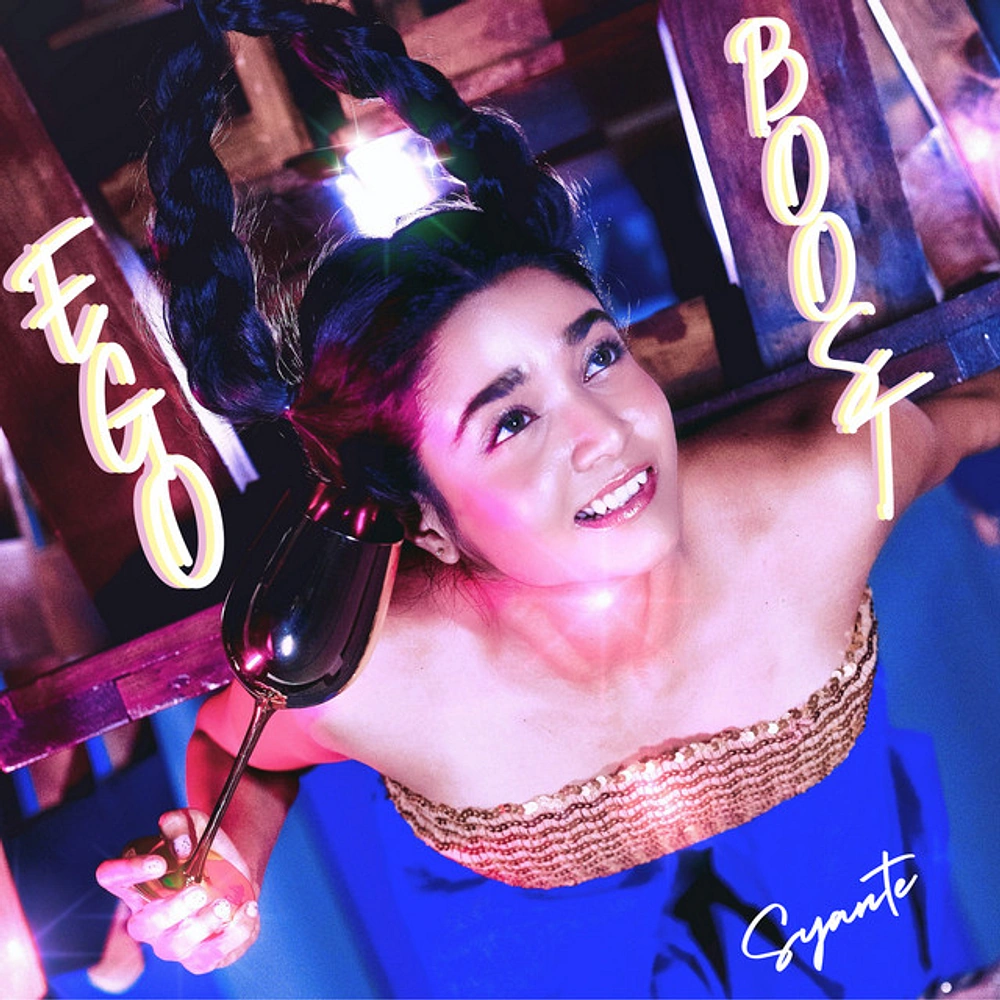
The verses are close-miked and dry, the guitar sitting near enough that you can hear the string noise between chords. Nothing sits back in reverb. Syante released the Ego Boost single on 28 August 2026, and that narrowness sets up everything the chorus later does. A track cannot open out unless it starts somewhere tight.
Syante’s music sits in the playlist below, and her coverage on this desk begins on the Syante profile. Ego Boost arrived here through PopHits.Co Music Charts, which verifies independent artists and places their releases across its network of music news sites. Listen first, then read on.

What the Acoustic Verses on Syante’s Ego Boost Are Actually Doing
Indie-pop built on a captured acoustic performance has a standing problem. The quiet part is where the singing lives, the loud part is where the hook lives, and most records solve that by adding instruments until the chorus arrives. The join shows.
Ego Boost takes the harder route. She cut the verse tight and close, in a small room with short decay, then set the vocal right on top of it with very little processing. That closeness does the work a lyric about attraction needs. It makes the listener the person being addressed, not an audience watching someone else get addressed.
The chorus then opens the space rather than filling it. More voices arrive, the low end widens, and the reverb tail lengthens. The change reads as a room getting bigger rather than a fader going up. It is a subtle distinction and it is the craft of this kind of record. Volume alone would have flattened the song into something generic. The shift in acoustic space keeps the verse audible underneath the size of the chorus.

The Lyric Is Doing the Same Trick as the Mix
The writing follows the same logic. Ego Boost is about the small jolt of confidence a person gets when someone else finds them interesting, which is a deliberately minor subject treated with real care. It is cheeky and self-aware without collapsing into a joke, and it declines to inflate the feeling into something larger than it is.
That restraint is why the chorus lands. A song that oversold the emotion would have nowhere left to go. By keeping the stakes honest, the lift arrives as pleasure rather than as a claim, and the listener gets to enjoy it without being asked to believe anything.
AcousticMusic.News curator team: “What is worth studying here is the transition. The verse is close and dry, the chorus is wide, and the two are joined by a change in the recorded space rather than by piling on instruments. That is a recording decision, not an arrangement trick, and it is why a light-hearted song holds up on a third listen.”

The Community That Paid Syante to Write Ego Boost
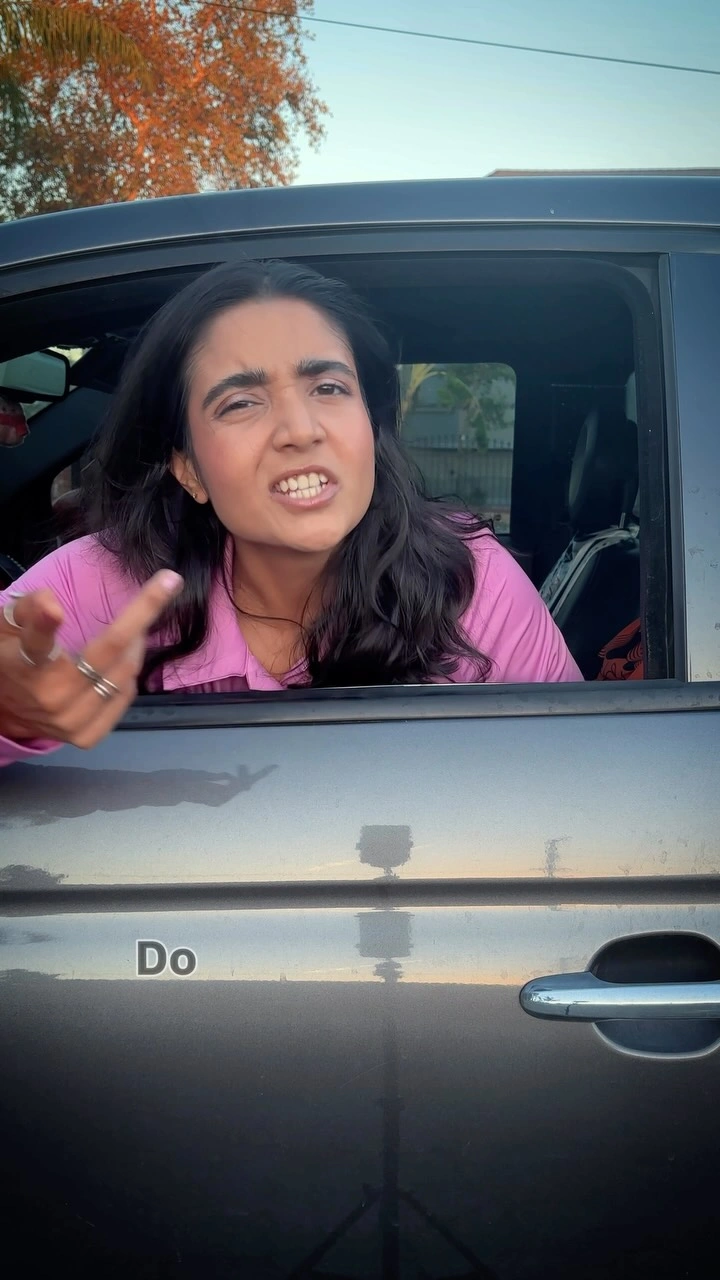
The origin of the track is unusual enough to state plainly. Ego Boost came out of a wildfire relief initiative run by United University Church, which paired Syante with a fellow Los Angeles musician who had lost everything in the fires and paid both of them to do creative work during the recovery. A fundraiser for that relief fund is still running.
None of that is audible in the song, and it should not be. The record is a flirtatious indie-pop single, not a document of a disaster. What the story explains is why the writing sounds unhurried. Commissioned work with a guaranteed fee removes the pressure to chase a result, and Ego Boost has the relaxed confidence of a song written by someone who was not auditioning for anything.
Syante has talked about that working life at length elsewhere. Voyage LA and CanvasRebel have both interviewed her, and between them they cover the guitar she picked up in middle school, the songs she has built since, and what writing while living alone in Los Angeles actually costs.
Where to Hear Ego Boost and What Syante Has Released Before
Listeners who keep Maren Morris records will find the nearest reference point, particularly her instinct for putting a plain-spoken line over a chorus large enough to carry a crowd. Maggie Rogers is the other useful comparison, for the way an acoustic figure survives being scaled up into pop without losing the fingerprints of the original take. Sara Bareilles completes the set, for the self-aware humour and for treating a small romantic subject as a legitimate one.
That trio also describes who this is for. Ego Boost suits listeners who came to indie-pop through singer-songwriter records, who notice a take rather than a production, and who do not require a song to be serious in order to take it seriously. Her earlier single Last Call is the useful companion piece, built on the same closeness but pointed somewhere sadder.
Stream Ego Boost on Spotify or SoundCloud, or save it on your preferred platform. Syante posts on Instagram, TikTok and Facebook. More on the artist sits on her official site.








About The Author