John Basile Toyland Cuts a Third and Finds the Room in the Recording
The Jazz Guitarist Recorded These Same Carols Once Before, and This Time He Cut Them Short
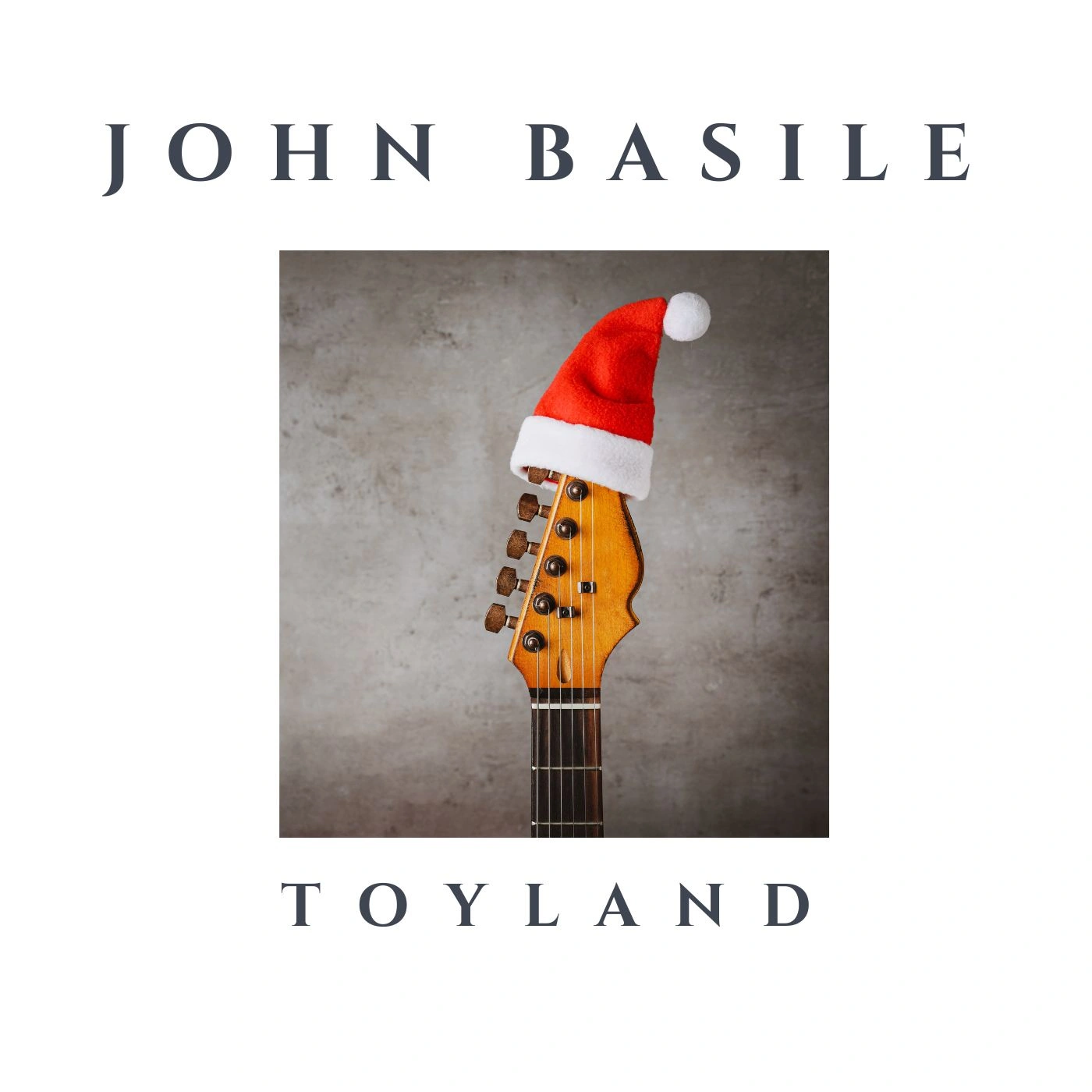
John Basile released Toyland on 10 August 2026. He has recorded the tune before, on a holiday album seven years ago, and the two versions are not the same length. That gap is the story.
John Basile’s Toyland sits in the playlist below, and his wider catalogue is collected on the John Basile artist profile. The single reached this desk through PopHits.Co Music Charts, which verifies independent artists and places their releases across its network of music news sites. Play it first, then read on for what he cut.

What John Basile Toyland Actually Is
Start with the tune, because it is older than most people assume. Toyland comes from Babes in Toyland, the Victor Herbert operetta that opened in 1903. It has spent a century being sung slowly and sentimentally, usually by a choir, usually to children. It is not obvious material for a jazz guitarist.
Basile takes it instrumentally, which removes the sentiment at a stroke. There is no lyric to lean on, so the melody has to carry the piece by itself. On a tune this familiar that is a real constraint. Play it straight and it is wallpaper. Decorate it too heavily and it stops being the tune people came for.
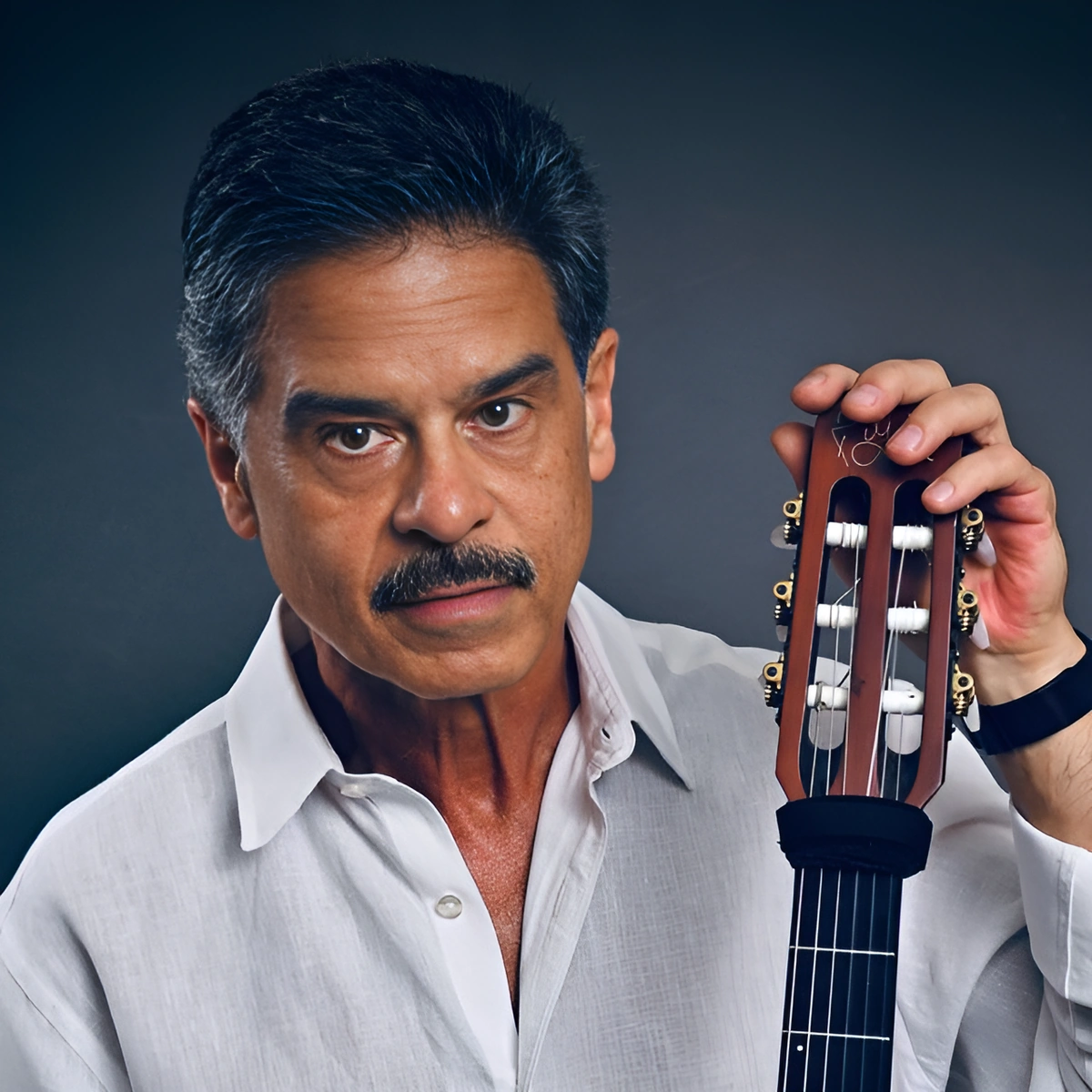
He has the background for that particular problem. Basile has released sixteen solo records, and his working history is largely as an accompanist, which is the discipline of playing behind a melody rather than over it. He has backed Peggy Lee, Rosemary Clooney, Sylvia Syms and Tony Bennett. He has recorded alongside George Mraz, Michael Brecker, Tom Harrell, John Abercrombie, Joe Locke, Harry “Sweets” Edison and Red Mitchell. His most recent album before this one, Heatin’ Up, arrived in April 2024 with David Finck and Carmen Intorre.

There is also a detail in his biography that has nothing to do with music and quite a lot to do with temperament. Basile is a working professional boxing judge who has scored world championship bouts. Judging a fight is the practice of watching something fast and chaotic and deciding, without hesitation, what actually counted. It is not the worst training for deciding which notes to keep.
AcousticMusic.News curator team: “The holiday jazz record is a crowded and mostly lazy category, and the usual failure is padding. Basile went the other way. He had already made one of these albums, went back to the same songs, and came out with versions that are shorter and firmer. That is an editing decision, and editing is the rarest thing in seasonal music.”

The Structure, and Why John Basile Toyland Runs Two Minutes
Here is what makes this release worth a second look. Toyland is the title track of a fourteen-song holiday album. In 2019 Basile released another holiday album, Silent Night, with twelve songs. Seven titles appear on both.
The 2019 Toyland runs 3:23. The 2026 Toyland runs 2:11. He removed roughly a third of it.
That is not an isolated trim. Across the overlapping songs the pattern holds and often widens. God Rest Ye Merry Gentlemen went from 3:36 to 1:54. Silent Night went from 4:06 to 2:22. Oh Tannenbaum fell from 2:46 to 1:51, and Christmas Time Is Here from 4:14 to 2:55. The 2019 record averages 3:34 a track across 42 minutes. The new one averages 2:02 across 28.
What Gets Cut, and Who John Basile Toyland Is For
Shortening a jazz arrangement by a third means cutting solo space, and solo space is the part most players protect hardest. What survives is the head, the melody itself, played once with intent. It is a choice about what the listener is actually there for, and on a record of songs everybody already knows, the answer is probably the songs.
The other tell is on track three. Auld Lang Syne is listed as a live take on an otherwise studio album. Leaving one live performance in a sequence of studio recordings is deliberate, because it is the one track where the room is audible: the decay, the ambience, the small imprecision a controlled session removes. Placing it third sets the tone for everything after it.
For anyone placing Basile’s playing, the reference points are the guitarists who valued economy over display. Jim Hall is the closest, a player whose reputation rests on what he declined to play. Kenny Burrell brought blues warmth to standards without ever crowding them. Wes Montgomery is the tone everyone measures against. Basile sits in that lineage rather than the technical-showcase one.
This is music for a specific use. It is for the part of the season that happens before the guests arrive or after they leave, where something has to be playing and nothing should be demanding attention. Two minutes a song is right for that, and it is the length the 2019 record did not have.
Hear Toyland on Spotify, and find the wider catalogue at John Basile’s official site or on his YouTube channel.







About The Author