Sara Moller Gathers Banjo, Clarinet and Trumpet Around the Piano for the Stories on How and How
Stockholm Songwriter’s Third Album Joins Indie Folk and Alternative Rock to Swedish Jazz Players
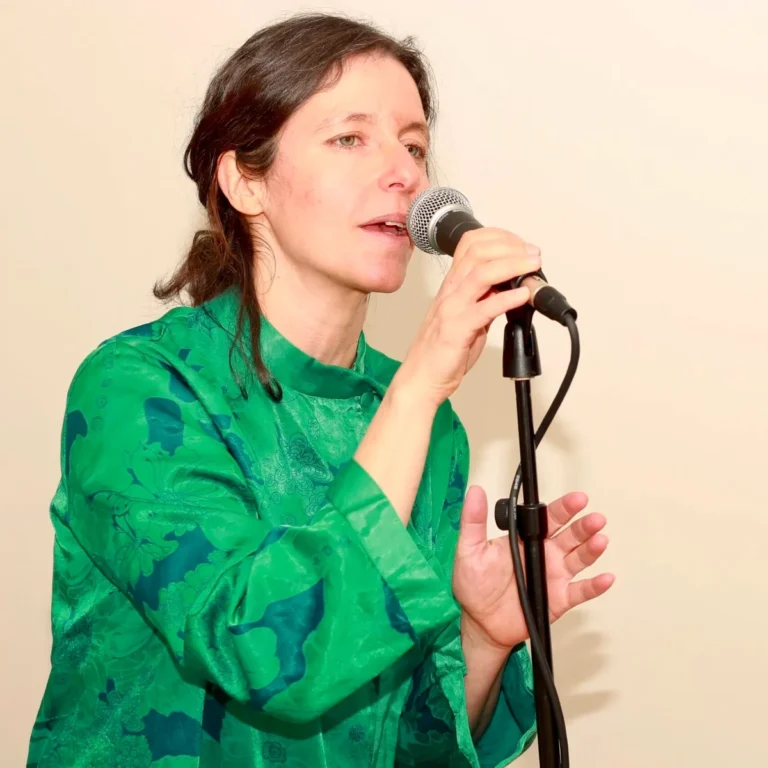
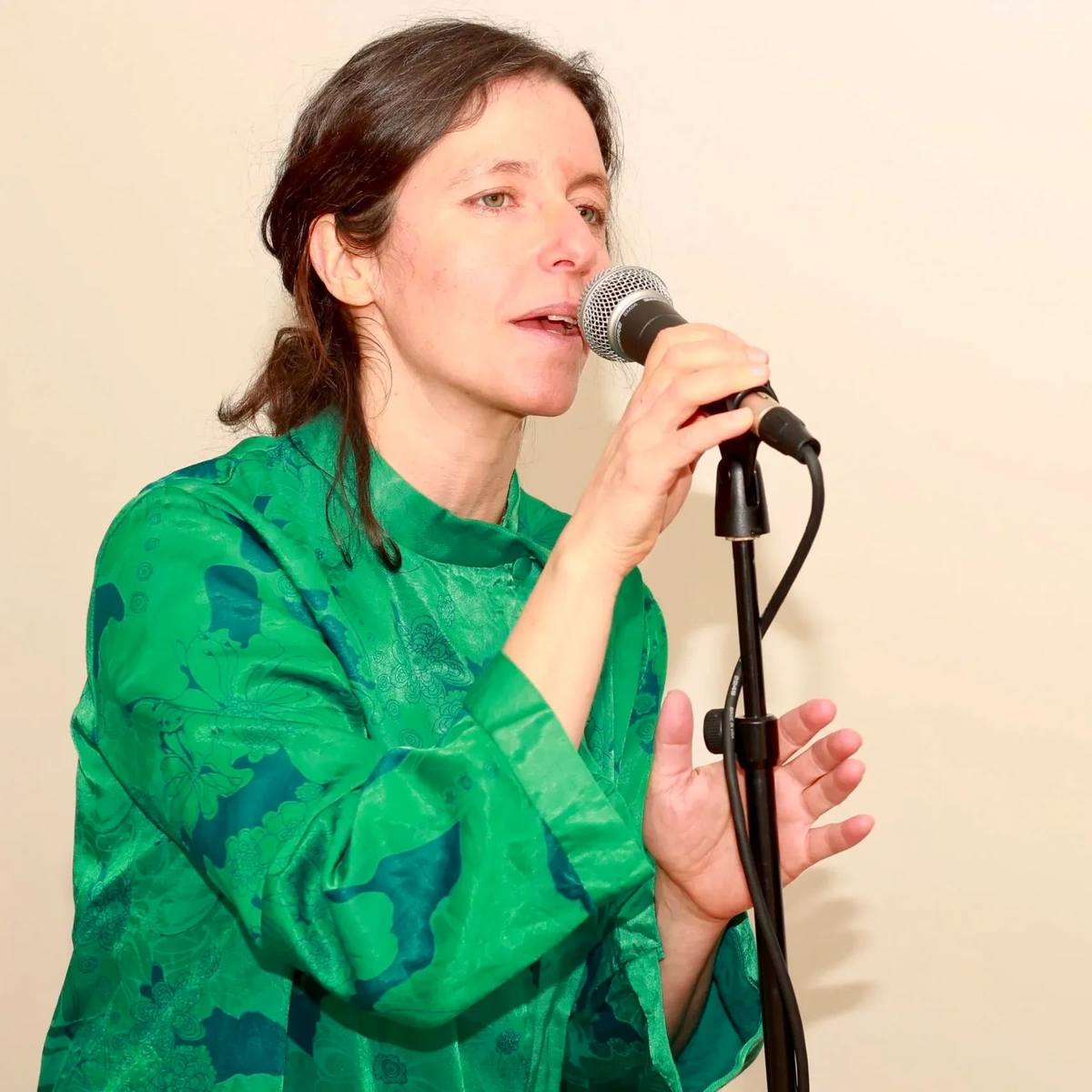
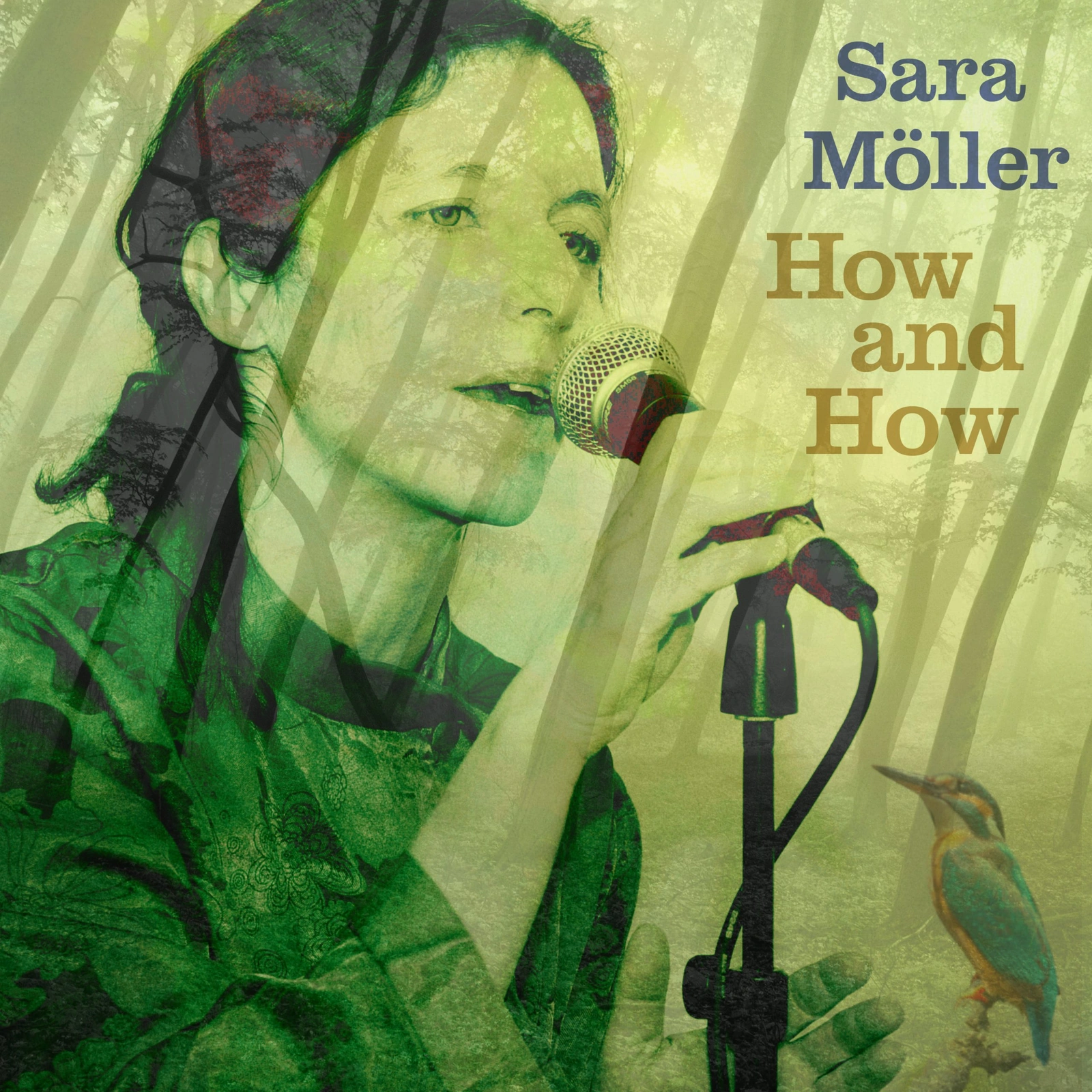
A banjo, a clarinet and a trumpet gather around voice and piano on How and How. It is the third album from Stockholm songwriter Sara Moller. The artist’s own label, Unsolved Music, released it on 22 September 2023. Across eleven songs, indie folk and alternative rock writing meets some of Sweden’s leading jazz musicians. Three years on, the record still rewards a slow listen.
Sara Moller’s title track sits in our acoustic folk playlist below, and the full coverage history is gathered on Sara Moller’s artist profile. How and How came to this desk through PopHits.Co Music Charts, which verifies independent artists and places their releases across its network of music news titles. Press play on the playlist, then read on for how the album was put together.

Sara Moller Opens How and How on the Guitar Riffs of It’s a Pity and a Theatre-Band Swagger
How and How opens with its longest song. It’s a Pity runs for four minutes and forty seconds. That leaves room for a playful guitar riff, a wandering piano part and a run of brass with a New Orleans accent. The Big Takeover heard music-hall blues in it, which suits a song that seems made for a small stage. Two reviewers also heard the vocal on top as siren-like, soft and high above the band.
The real hook of the album, however, arrives at number four. The title track moves with a swagger that The Big Takeover traced to Kurt Weill. Meanwhile, a slow flute melody keeps its darker undertone from settling. This is the record’s method in miniature: a folk tune dressed in the instruments of a theatre band. The album credits flute, clarinet and saxophone to Nils Berg and the trumpet to Tobias Wiklund.
Those two songs set the terms for everything that follows. Each has a figure a listener can hum, whether a guitar riff or a flute line. Indie Dock Music Blog described the voice as an instrument that leads the whole ensemble. The arrangements bear that out. However busy the band becomes, the melody stays in front.

The Lyric Points Outward and Inward, and Often Speaks to a Listener Called You
Stories drive the songs of Sara Moller. The artist’s biography places those stories on either an inner plane or an outer one. How and How holds both kinds. For example, It’s a Pity turns a slightly scornful eye on how predictable life can be. Illustrate Magazine took the same reading from its lyric. By contrast, Deportation Blues carries its subject in its title and faces the world outside.
Most of the album’s titles also speak to someone directly. Think of Would You Please, You Don’t Have a Clue and You Gotta Live with It. The same goes for Wanna Be All for You and I Like You In Every Way. As a result, the record sounds like one side of a conversation. That suits songs written for a small room.
The lyrics change temperature as the album goes on. Music Arena GH singled out You Gotta Live with It for words and a vocal that reassure. On the other hand, I Like You In Every Way is a plain declaration of affection. It closes the album and was also its single. In between, Letting It All Go makes its point in two minutes and eighteen seconds. The Big Takeover called its bluesy folk setting understated.

Sara Moller Sequences Eleven Songs in 38 Minutes, From a Long Opener to a Piano Outro
The eleven songs last about 38 minutes in total. They range from the 2:18 of Letting It All Go to the 4:40 of It’s a Pity. Putting the longest song first and the shortest second gives the opening a clear shape. First the album shows its range, and then it proves it can make a point in half the time.
After the title track at number four, the second half changes colour song by song. You Don’t Have a Clue has a jazzy strut, and Roots Mingle strips back to an almost tribal vocal. Then Like a Wave takes on a chanson lilt, to borrow three descriptions from The Big Takeover.
The ending gets the same care as the start. I Like You In Every Way builds to a distorted guitar solo. Then it gives way to a dreamy piano outro. To the Folk and Honey reviewer, that outro seemed to drift from a crackling gramophone. So the album ends on piano rather than on the full band.
The Players Around Sara Moller and the Theatre-Band Lineage They Share
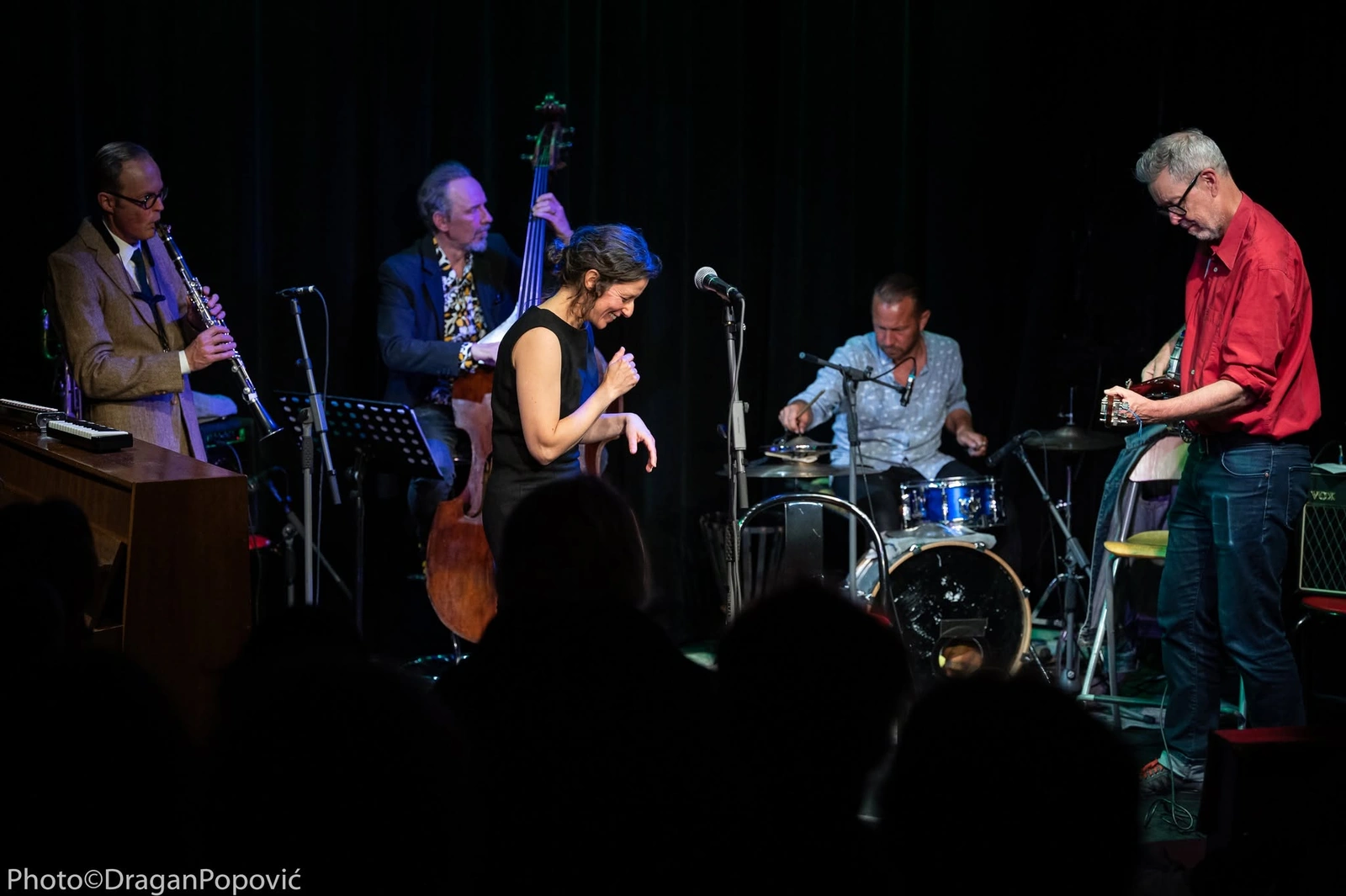
A strong group of players stands behind Sara Moller here. Mikael Augustsson produced the album and plays several instruments on it. Leif Jordansson, a composer from the Swedish experimental music scene, adds guitar and banjo. Meanwhile, Konrad Agnas plays drums and percussion and Mauritz Agnas plays double bass. Berg and Wiklund supply the woodwinds and the trumpet. Later, the Swedish music magazine Lira called the result a masterpiece and placed it among its ten best new albums.
That line-up explains why the Weill comparison keeps returning. In 1928, Weill scored The Threepenny Opera for a small band with saxophones, trumpet and banjo. It gave theatre songs the sound of a dance band, and Moller’s ensemble draws on the same family of instruments. Tom Waits is the other name in the conversation. The artist’s biography lists Waits beside CW Stoneking and Lhasa de Sela as kindred artists. Early Waits records such as Small Change set piano and voice against upright bass, drums and tenor saxophone. That small-group frame sits close to the one that holds How and How together. Fittingly, Moller has also posted a cover of the Waits song Tango Till They’re Sore.
Where to Start With How and How by Sara Moller
Several of these songs were part of the live set before the album came out. The YouTube channel carries live versions of Roots Mingle, Like a Wave and You Don’t Have a Clue. They come from a Pygméteatern concert in December 2022. Moller has also played Glenn Miller Café, the Stockholm Culture Festival and the Stockholm Jazz Festival. At a Bio Aspen concert in November 2023, You Don’t Have a Clue had a different line-up. Augustsson played piano and Jordansson banjo, with Lars Ydgren on clarinet and Arvid Pettersson on double bass.
AcousticMusic.News’s curator team: “How and How carries a clarinet, a trumpet and a banjo without ever turning into a period piece. The songs come first and the band follows the voice. That is why the record still repays a close listen three years on.”
Start with the title track for the hook. Then go back to It’s a Pity and play the album in order. Afterwards, return to Letting It All Go and I Like You In Every Way. Together they show how much the writing can do in a short song and in a piano outro.
Follow Sara Moller on Spotify, Apple Music, Deezer, the YouTube channel, and Facebook.











About The Author