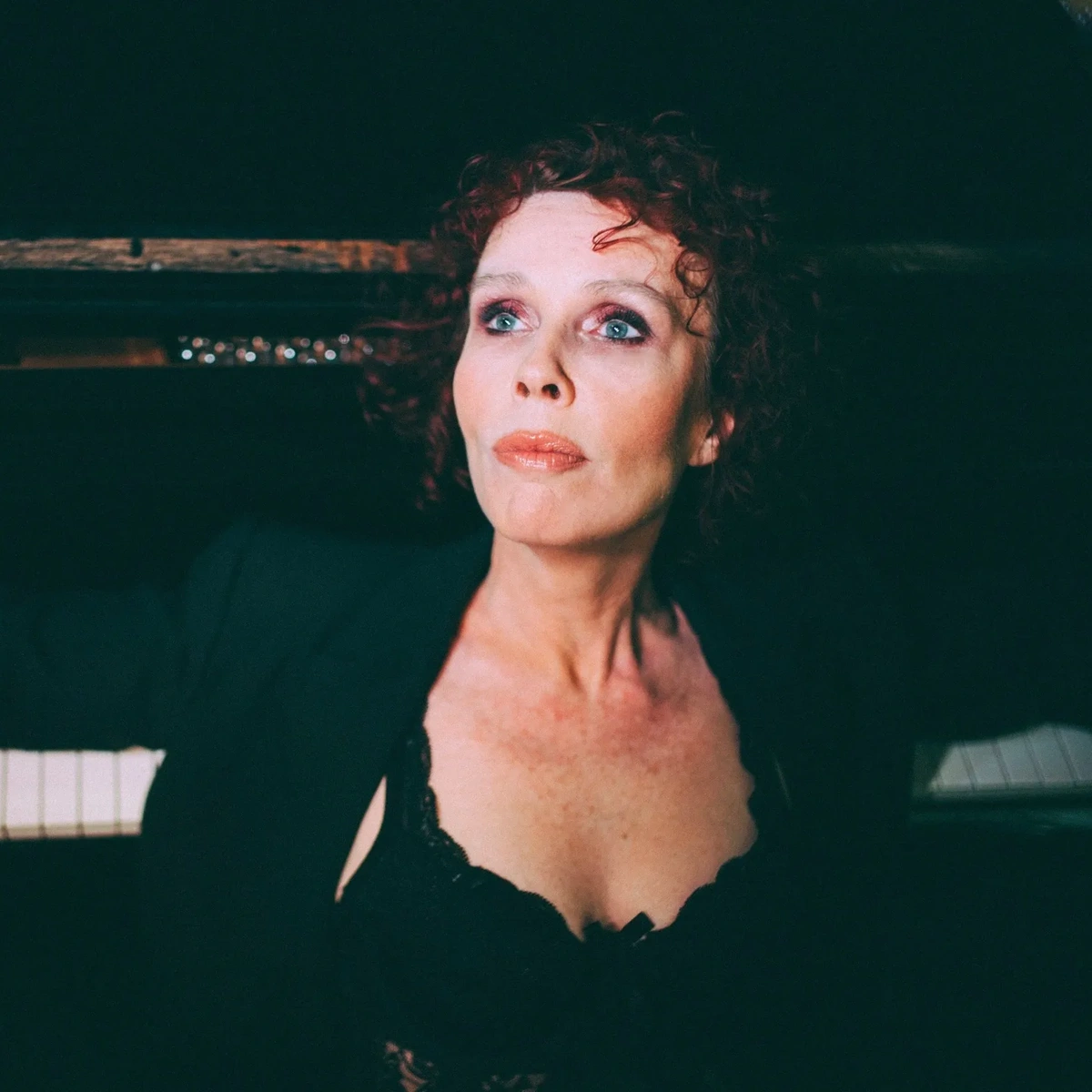
Fiona Ross, J Steps and the Room in the Recording of Moments in My Notebook
A London Vocalist and Pianist Marks Her 100th Original Song with 21 Tracks of Jazz
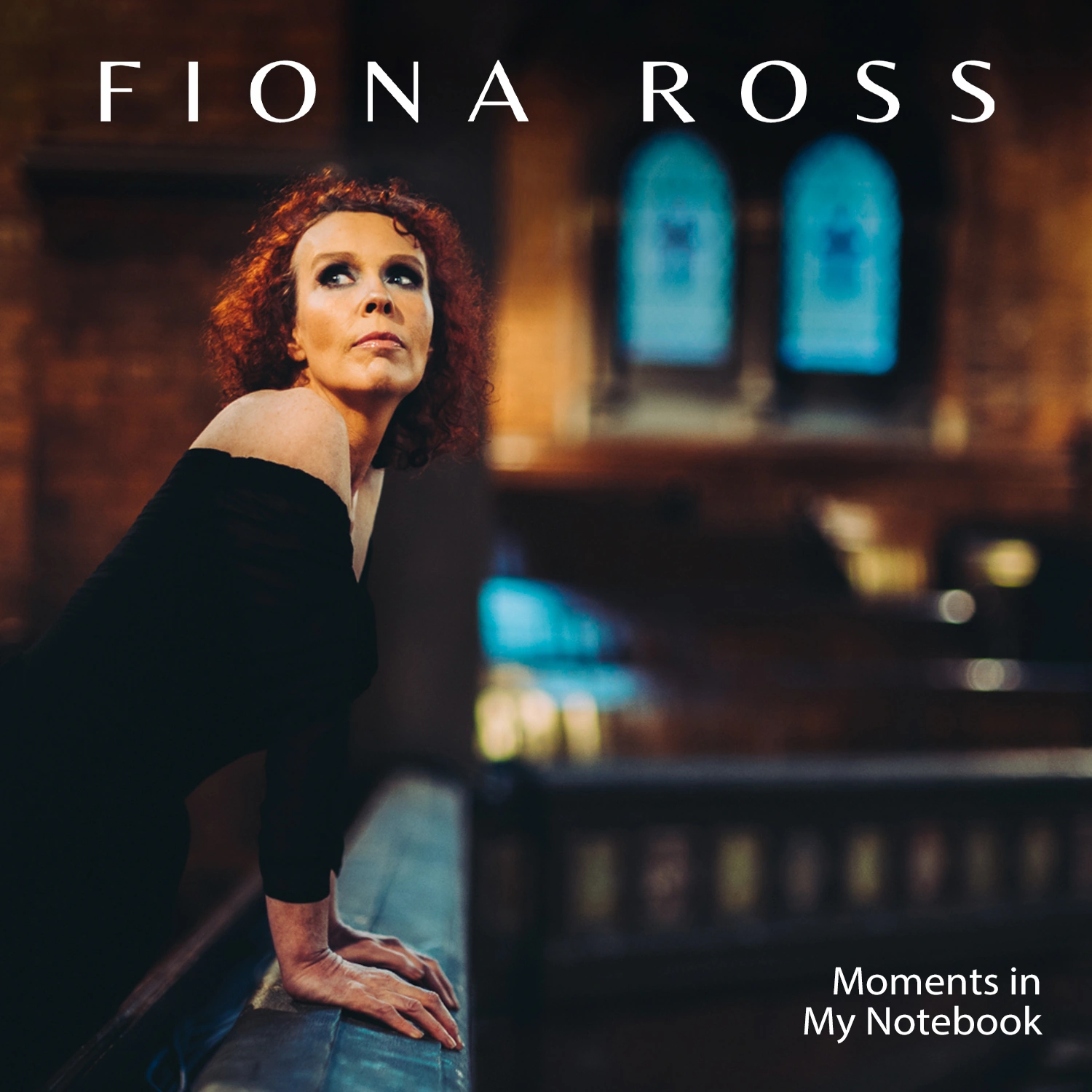
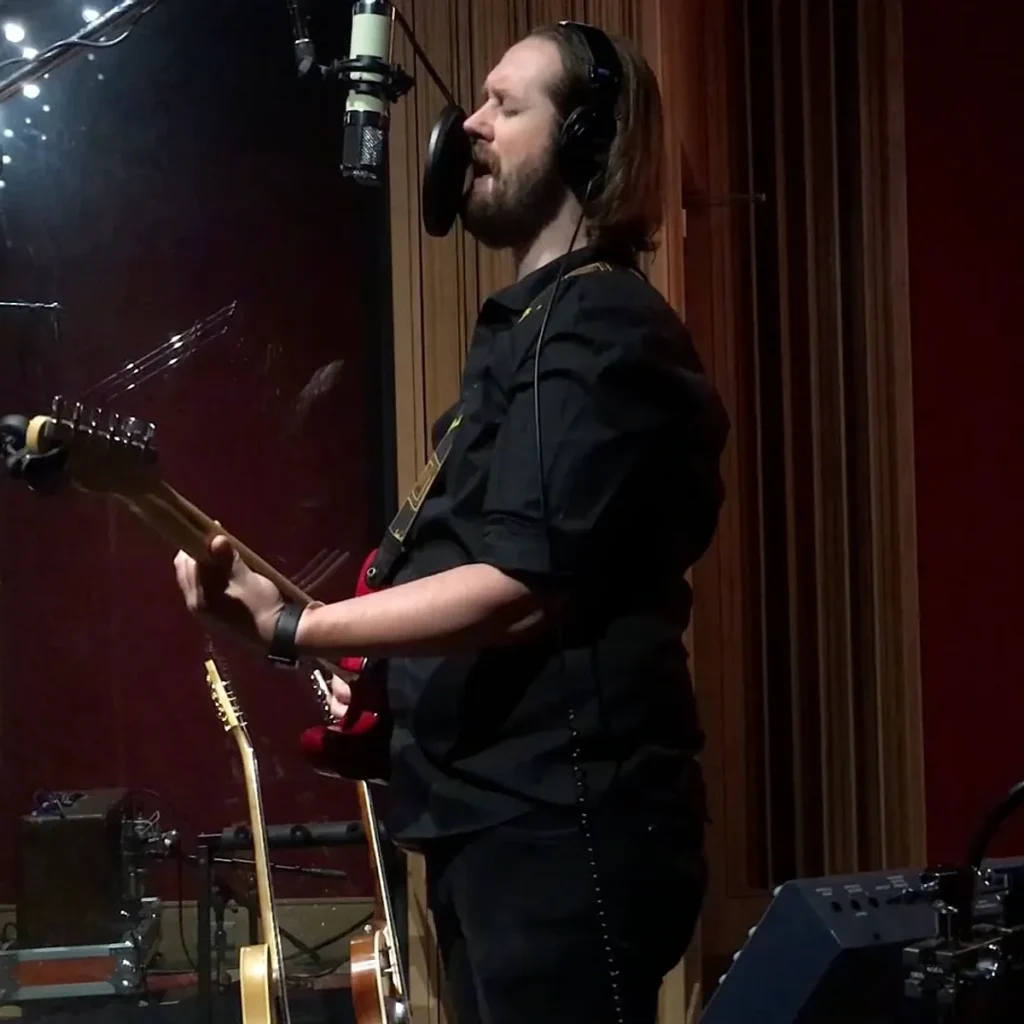
At The Premises Studio, Fiona Ross recorded one song from Moments in My Notebook live in a single day. A youth jazz ensemble made its recording debut in the room that day. Ross is an award-winning vocalist, pianist, composer and producer. She filled the rest of her 8th album from the notebooks she still writes in. Released on 30 May 2025, the album marks her 100th original song release. Since then, it has won Female Album of the Year from the International Singer Songwriters Association.
Fiona Ross’s Running into Your Arms, the opening track of Moments in My Notebook, is in the playlist below, and her coverage across the network sits on the Fiona Ross profile. The album reached AcousticMusic.News through PopHits.Co Music Charts, which verifies independent artists and places their releases across its network of music news desks. Press play on the opener, then read on for the rooms behind the record.

A Single Day at The Premises Studio Shows Fiona Ross Capturing an Ensemble in One London Room
That session produced China Told Me (Live). The vocalist and broadcaster China Moses inspired the song, and Ross has also interviewed Moses in her work as a jazz journalist. Around it, she put a female-led line-up. First, Mary Sho, championed by Moses herself, wrote and sang the lyric and top line for the second verse. Then J Steps made their recording debut on the track. This award-winning ensemble brings together female and non-binary jazz musicians under 18, and eight of its young players add trumpet, saxophone, oboe, clarinet and flute. Their founder and director, Hannah Horton, plays saxophone. In addition, Charlotte Keeffe plays trumpet, Migdalia Van Der Hoven plays drums and Charlie Flynn plays bass.
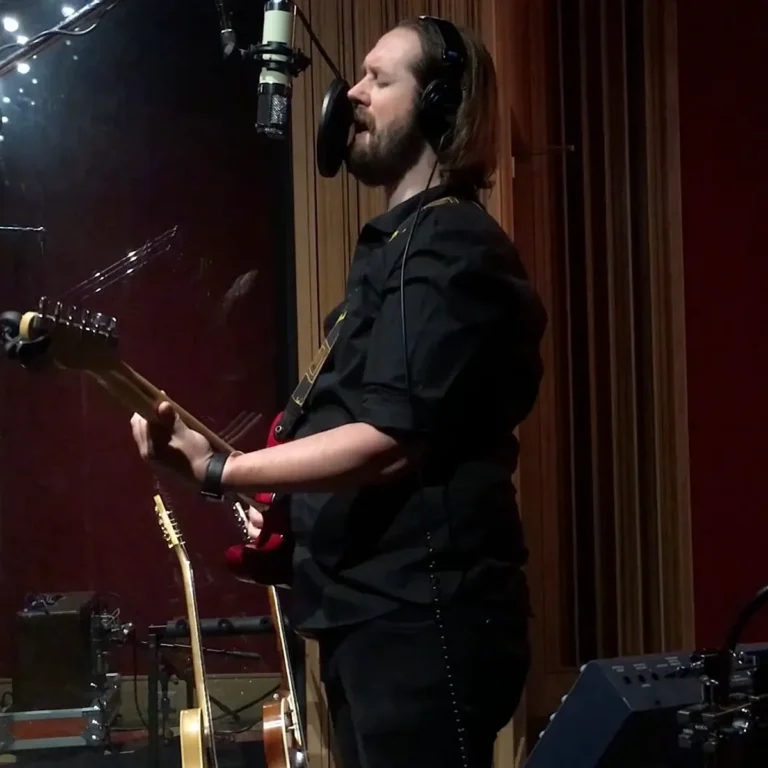
Warren Woodcraft and Elliot Richardson recorded the session live. The band rehearsed and recorded everything inside one day, and that limit shapes the take. As a result, the players hear each other and respond in real time. The energy of the room stays on the recording. In fact, Ross has said the song is best enjoyed with its video. The footage shows the joy, love and kindness in the room. HailTunes heard it on record too, writing that on the live track the room speaks to you.
Recording live is not new for her. Earlier in her career, she recorded Mistress live in a stairwell. Today the British Library holds that song in its archive.
The Notebook Habit Behind 21 New Songs
The writing, however, starts somewhere quieter. “I still write everything in notebooks,” Ross says. Some songs began with a chord progression or a bass line. Others began with a lyric, or with something she overheard in a café. Before this album, she had released 79 songs. Coming from a family of mathematicians, she chose to write 21 more to reach 100. Along the way, she went back to her teenage notebooks. In the end, two of the songs here date from when she was 13 or 14.

Market Stalls, Paris and Five Overlooked Names Shape the Lyrics Fiona Ross Wrote in Her Notebook
The lyrics move between small prompts and larger subjects. For instance, Let Your Soul Shine, the first single, began with a sign at a market stall. Ross walked home, sat at the piano and wrote the song in about ten minutes. It became a song about resilience and self-worth. Similarly, Pirates in Paris draws on her many visits to the French capital. She describes the city as an escape where she can be herself without judgement. The writer Maxine Gordon, who wrote the liner notes, also reflects on that song and on Voices Unheard.
I Don’t Want Money deals with a problem every working musician knows. Namely, music costs money in a world where money dominates. Voices Unheard then widens the frame to forgotten histories and overlooked figures. Its closing lines name the trombonist and arranger Melba Liston and the writers James Baldwin and Countee Cullen. They also name the pianist and composer Mary Lou Williams and the journalist Ida B. Wells.
Finally, the album closes on 100 Songs, which Ross wrote for her parents. In it, she wonders what they would say about the milestone if they were here. She also asks whether they would understand what she has built. The song leaves that question open.

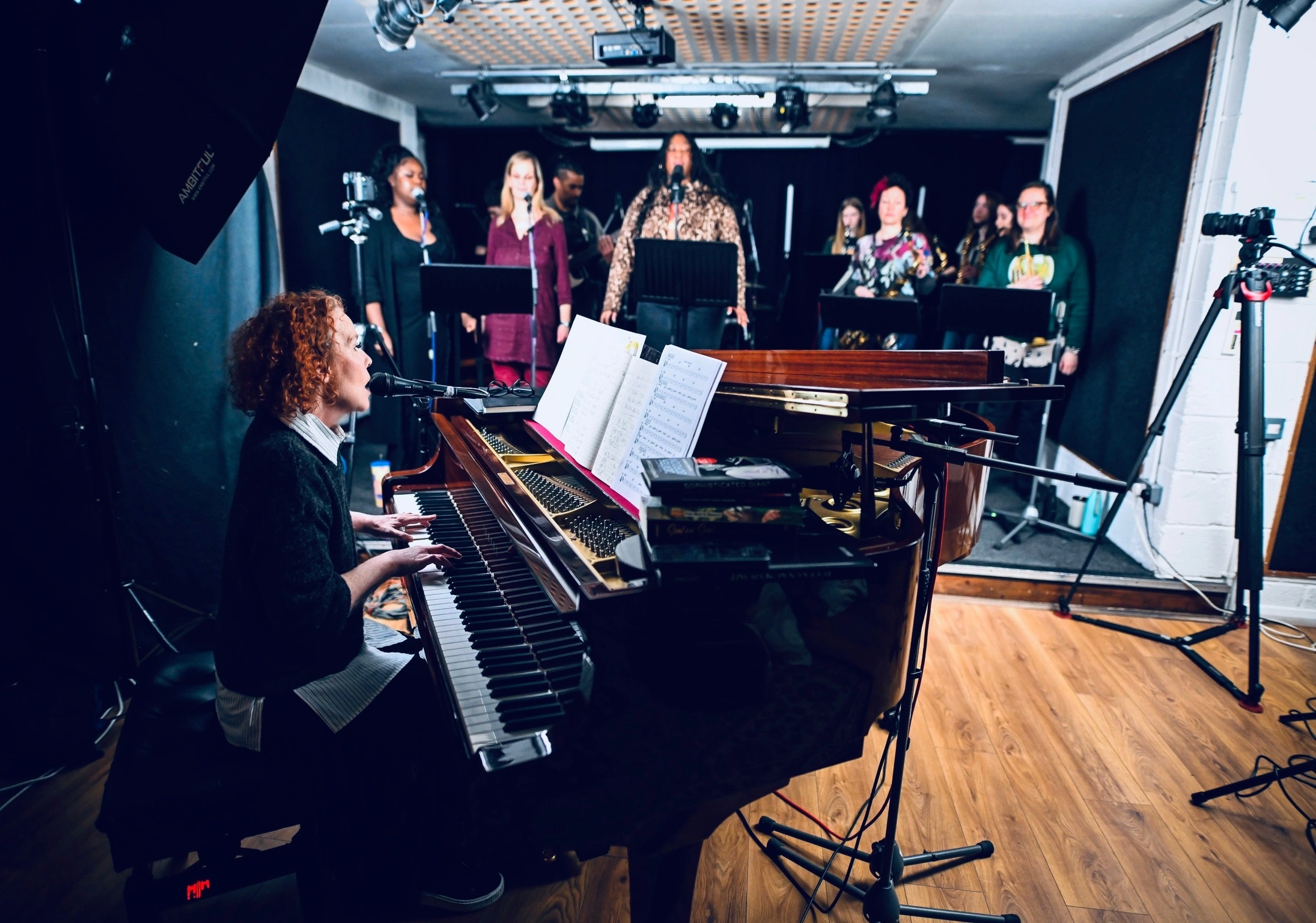
Twenty-One Tracks From Late-Night Ballad to Latin Jazz Give Moments in My Notebook Its Shape
The structure follows the notebook. Across 21 tracks and almost 80 minutes, the record moves from late-night ballads to the rhythmic pulse of Latin jazz. Stripped-down moments sit between the full-band arrangements. Accordingly, LOCK Magazine described jazz as a base camp for the album. From there, it ventures into soul-laced grooves, stripped-back piano ballads, Afro-Caribbean cadences and spoken word. Similarly, Muse Chronicle heard a spread from classical piano to late-night ballads and contemporary jazz rhythms.
Studio XYZ, Highfield Studio and the Players in Each Room
The recording itself spread across several rooms. Ross wrote, arranged and produced every song. She also plays piano and adds finger clicks alongside her vocals. Gibbi Bettini engineered sessions at Studio XYZ and plays guitar. Meanwhile, Warren Woodcraft recorded at Highfield Studio and adds percussion with Simon Todd. Derek Daley plays bass and Marley Drummond plays drums. Loren Hignell covers saxophones, clarinet and flutes, while Dave Boa plays trumpets. In addition, Laura Impallomeni guests on trombone on This Energy. Migdalia Van Der Hoven also returns on drums for La Façon Dont Tu Bouges.
Some of the sounds came from outside the band. For example, Ioannis Siriotis recorded rain for the album. Bart Kowalski recorded the camera clicks of the photographer Monika S Jakubowska. Even the band’s banter made the credits. Afterwards, Warren Woodcraft and Elliot Richardson mixed the album at Highfield Studio. Finally, Nick Watson mastered it at Fluid Mastering.
Two earlier records help place it. Norah Jones recorded her 2002 debut, Come Away with Me, across two rooms. The rooms were Sorcerer Sound in New York City and Allaire Studios in Shokan. Her voice and piano sit at its centre. Likewise, Nina Simone wrote Mississippi Goddam in less than an hour. She then released it on Nina Simone in Concert, a 1964 album drawn from three Carnegie Hall shows. In the same way, Ross writes quickly and trusts a room of players to carry a song about history.
AcousticMusic.News’s curator team:
“Moments in My Notebook lets the room into the recording. The one-day session with J Steps sits beside the studio takes. Meanwhile, the recorded rain, camera clicks and band banter keep 21 very different songs feeling lived in.”
Where to Hear Moments in My Notebook and Follow Fiona Ross Across Every Platform
This one is for listeners who come to jazz for songwriting and live playing in equal measure. It also suits acoustic, alternative pop and contemporary jazz fans who want a long record to spend time with. Start with China Told Me (Live) to hear the room. After that, play Let Your Soul Shine and Voices Unheard, and finish with 100 Songs.
Stream Moments in My Notebook on Spotify, Apple Music, Bandcamp and YouTube Music.
Follow Fiona Ross across platforms: Spotify, Apple Music, YouTube, SoundCloud, Instagram, Threads, Facebook, TikTok and her official website.
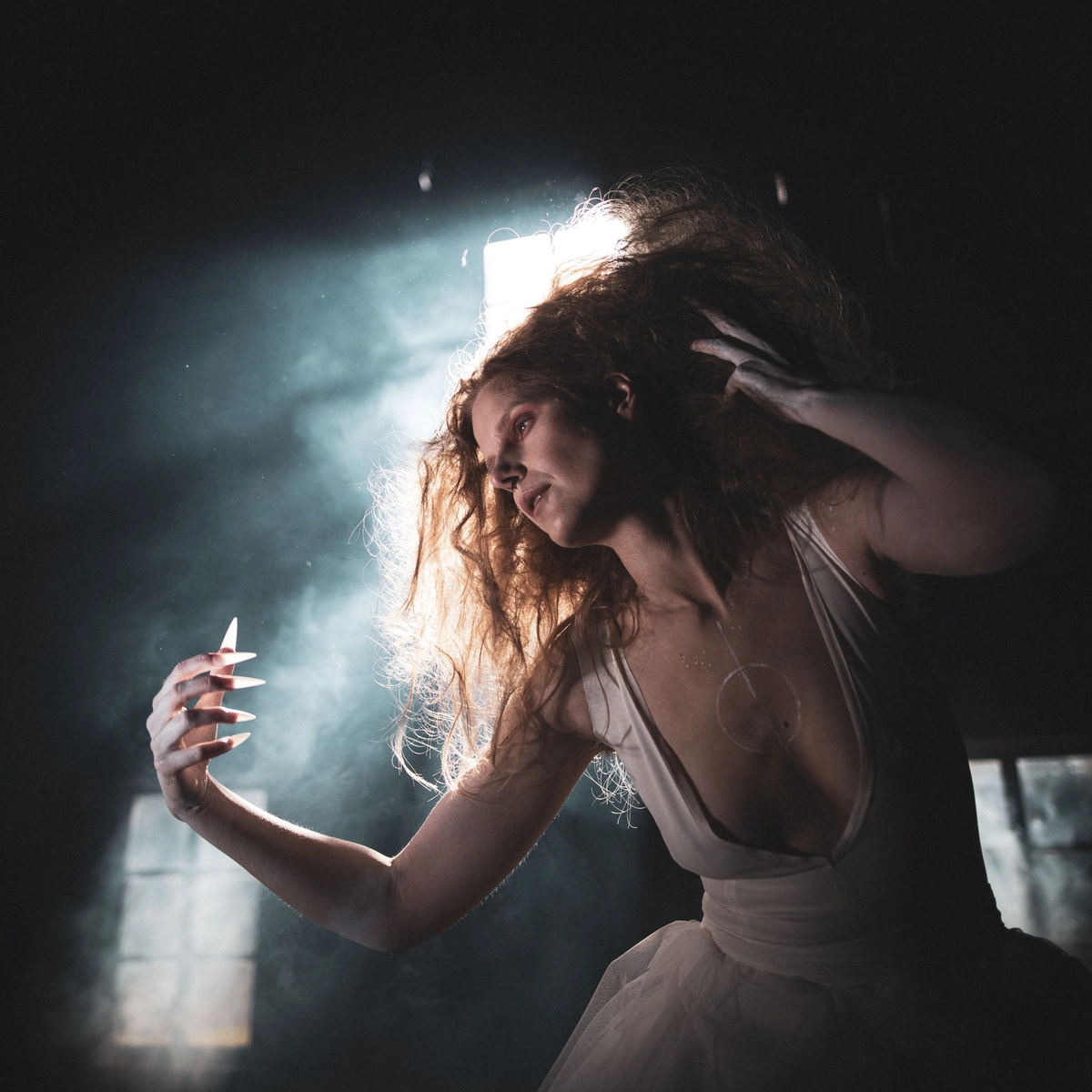
Photography by Steven Tiller and Monika S Jakubowska.

About The Author