
How a Blues Guitar and an 1898 Story Get Captured on Phil Lentz Presents... Vol. II
A Jazz Pianist Shares Every Track with Guests, Then Turns to John Henry James
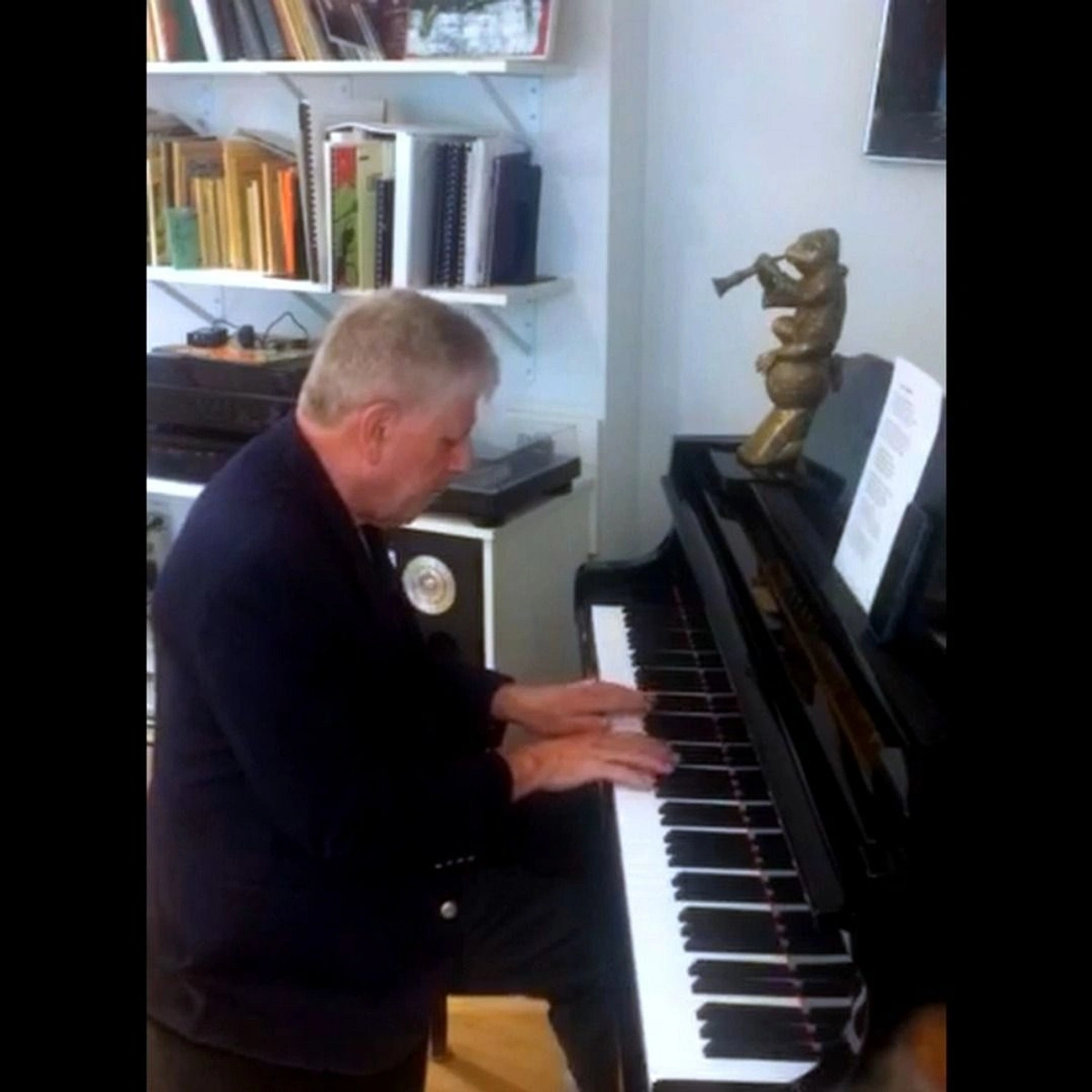
Every track on Phil Lentz Presents… Vol. II pairs Phil Lentz, a New York jazz pianist and composer, with one or two guest players: a saxophone on one piece, a violin on the next, a guitar and a banjo on the album’s march. The second volume came out on 22 November 2024 and runs to 29 minutes. Its sixth track, One Little Drop of Justice, sets down the story of John Henry James, a man lynched in Virginia in 1898.
Phil Lentz’s opening track sits in the playlist below with our contemporary jazz, nu-jazz and smooth jazz picks. You can follow the album’s coverage on Phil Lentz’s artist profile. The second volume, Phil Lentz Presents… Vol. II, reached AcousticMusic.News through PopHits.Co Music Charts, which verifies independent artists and places their releases across its network of music news sites. Listen to the album, then keep reading for how its eleven pieces fit together.

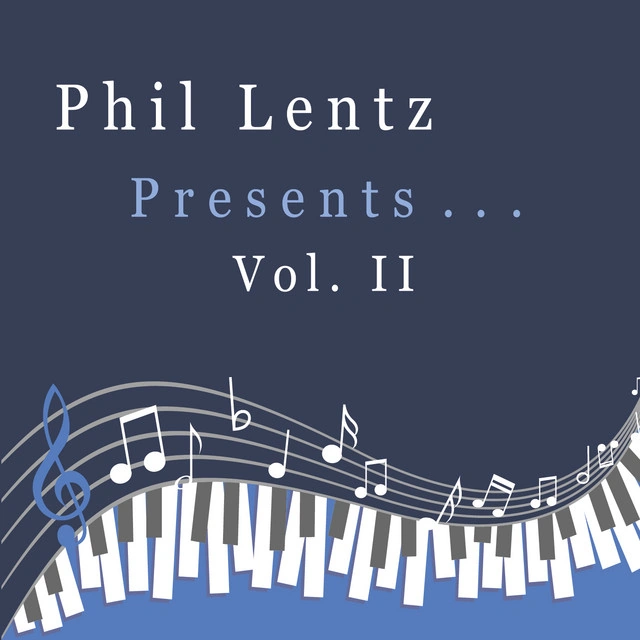
Phil Lentz Presents… Vol. II Builds Each Hook Around a Guest, From Saxophone to Banjo
Phil Lentz wrote all eleven pieces, and each one is shaped around the people invited to play it. Bob Cohen’s violin leads Chimes. On Prairie March, Dennis Harte joins that violin on guitar and banjo. Notably, that is the only banjo in the album’s credits.
Harte’s guitar also carries Honky-Tonk Blues. Meanwhile, on Blues à la Carte, the guitar shares the tune with Red Heller’s saxophone. The wry title promises a blues ordered off the menu. Heller also takes the saxophone on The Circus, which lasts one minute and 53 seconds. Elsewhere, Richard Philbin plays saxophone on December Song.

Even the titles announce their hooks before a note sounds: a circus, a set of chimes, a march across a prairie, a honky-tonk. Overall, that plain naming suits the scale of the record: short pieces for a small group of players.
AcousticMusic.News Curator Team: “We placed the album’s opener in our playlist because it shows the method in under two and a half minutes: one composer, one guest, and a tune built for the two of them. It sits easily beside the acoustic jazz in our rotation.”

One Little Drop of Justice Gives Phil Lentz Presents… Vol. II Its Story of John Henry James
Three of the eleven tracks have words, and Red Heller is the featured guest on all three. The heaviest of them is One Little Drop of Justice, track six and, at four minutes and 13 seconds, the longest piece on the album.
The song, in fact, takes its subject from American history. John Henry James sold ice cream on the streets of Charlottesville, Virginia. In July 1898, police arrested him after a white woman accused him of assault. For his own protection, officers then moved him by train to the jail in Staunton, 40 miles away. On the way back to Charlottesville for a hearing, a crowd was waiting at Wood’s Crossing station. When the train stopped, men overpowered the officers guarding him and killed him on 12 July.
Accordingly, the verses keep that order, almost like a court report: the street trade, the accusation, the train. His train never reached the courthouse is the hinge of the story. The chorus then jumps forward to a plaque near the courthouse and to the line that gives the song its title.
From 1898 to George Floyd, the Verses of One Little Drop of Justice Widen Out
Later verses move past 1898. They name Greenwood, Nat Turner, Leo Frank and Emmett Till, and then Trayvon Martin and George Floyd. Finally, the closing lines ask for peace and understanding over hate and fear. In July 2018, people gathered at the site to collect soil, including a jar for the Equal Justice Initiative’s National Memorial for Peace and Justice in Montgomery, Alabama. The song arrives in a town that has started to mark its own history.
The song also joins a long line of American protest writing about lynching. Billie Holiday recorded Strange Fruit in 1939, setting a poem that Abel Meeropol had published two years earlier in a New York teachers’ union magazine. Nina Simone, a pianist like Phil Lentz, wrote Mississippi Goddam in under an hour in 1963 and released it the next year on a live album recorded at Carnegie Hall.
Where One Little Drop of Justice Sits in the Structure of Phil Lentz Presents… Vol. II
At 11 tracks and 29 minutes, the album holds mostly short pieces, between two and two and a half minutes long. Only two run past four minutes, and both of them have words. The 1898 song sits at track six, in the middle of the sequence.
By contrast, the pieces either side of it ease the weight. Honky-Tonk Blues follows straight after, and Chimes comes next, so the album returns to the guitar and the violin once the story ends.
For listeners who come to jazz through songs, start with track six. Then play Prairie March to hear the lighter side of the same album, with its violin, guitar and banjo.
Buy the album on Bandcamp or hear it on Apple Music. Follow Phil Lentz on Spotify, YouTube, Instagram, Facebook, X, TikTok and Bluesky, or visit the official website.








About The Author