The Barrow-in-Furness Room Where Emker Cel Recorded The Quietest Of Revolutions
Two Guitars, Two Voices and a Ribbon Microphone Take a Rock Songwriter Somewhere Quieter
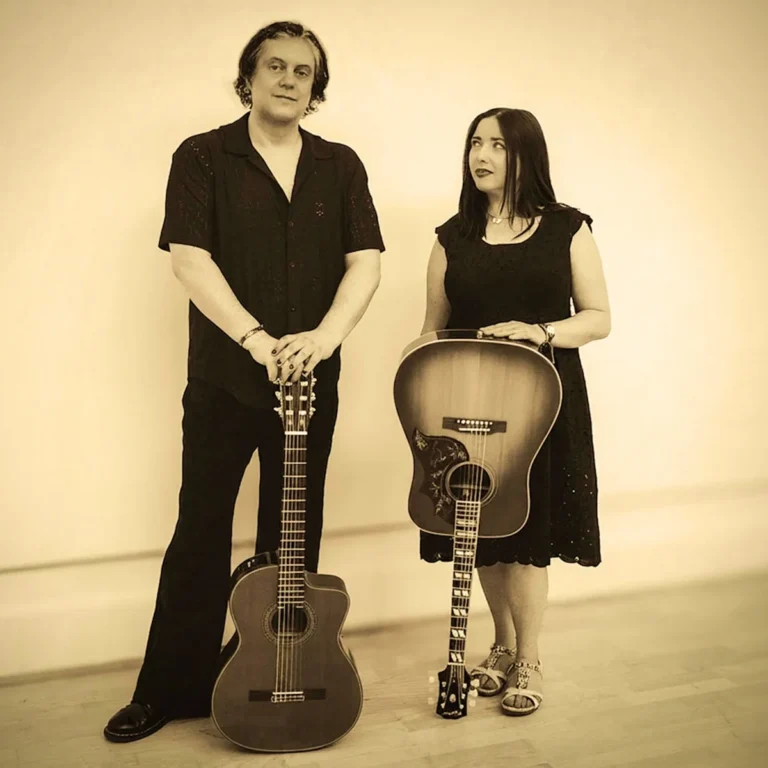
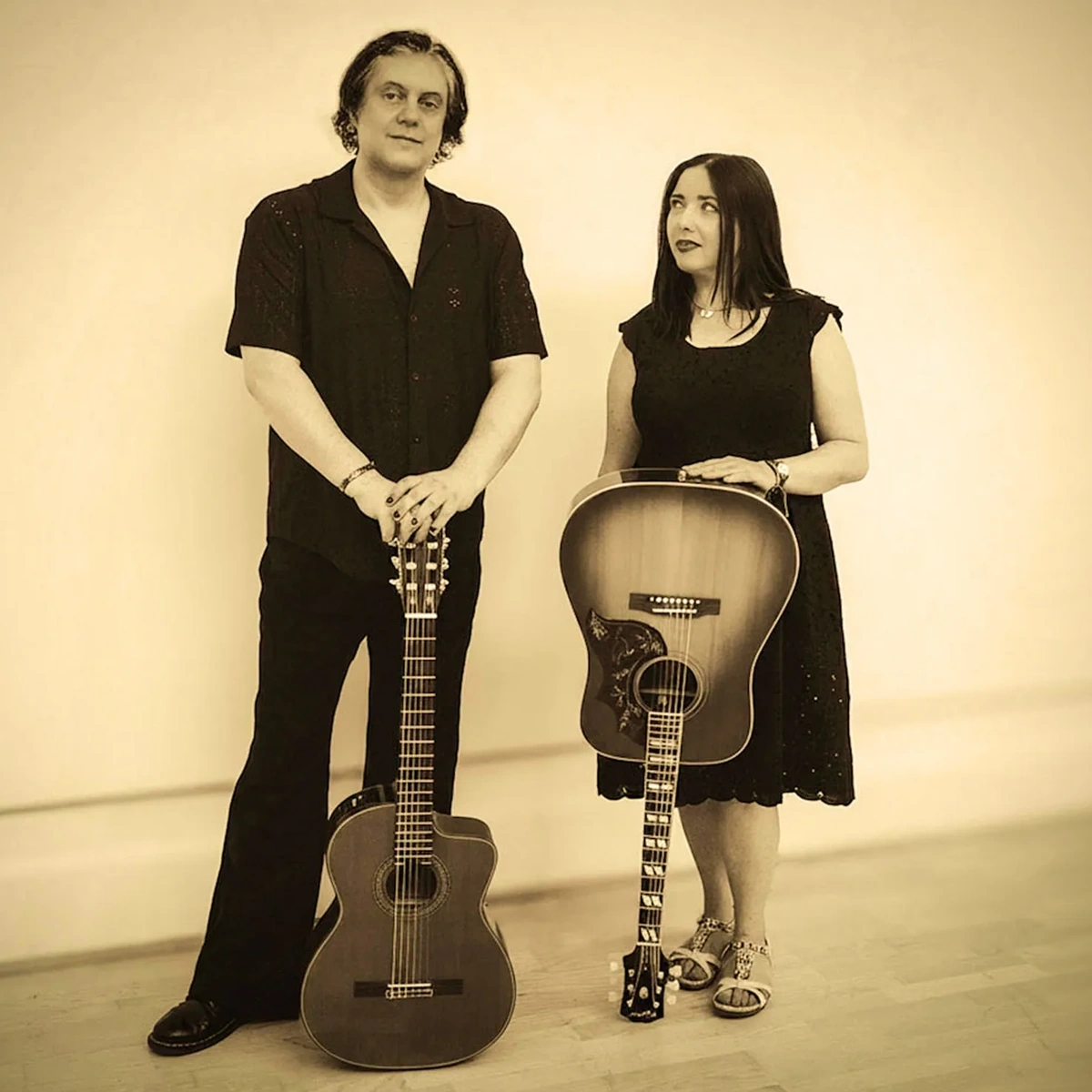
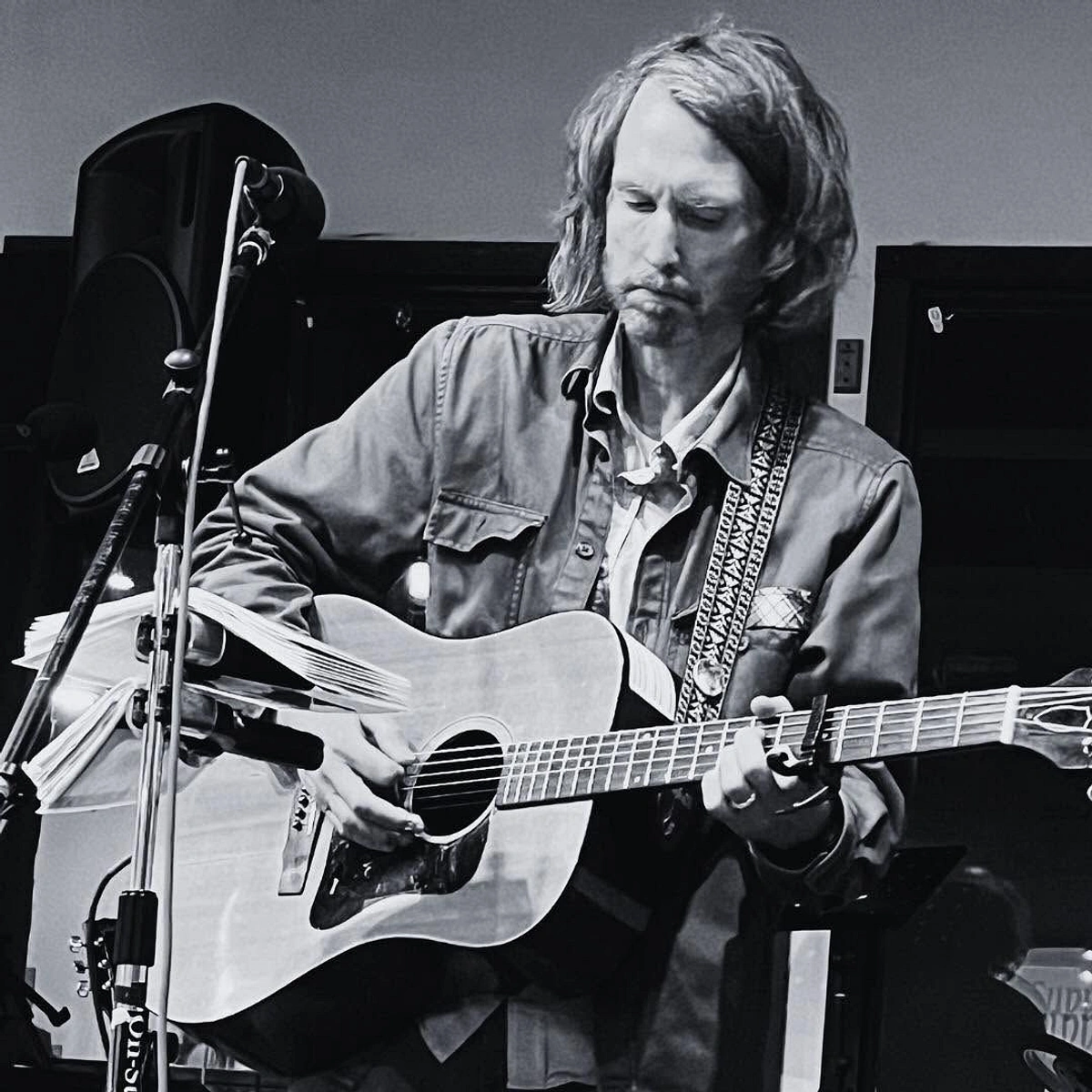
A Golden Age R1 ribbon microphone and an AKG 414 condenser sat in front of Matt Kassell’s guitars this summer. He was recording The Quietest Of Revolutions, the new album by his project Emker Cel. The studio is his own, in Barrow-in-Furness. Seahouse Records released the album on 4 September 2026. It strips the project’s usual rock-pop back to two guitars and two voices, and Rita Baugh joins Kassell on harmonies.
Emker Cel is Matt Kassell’s recording project, and the Emker Cel artist profile keeps its coverage in one place. This feature follows him into the room where his new album took shape. The Quietest Of Revolutions reached this desk through PopHits.Co Music Charts, which verifies independent artists and places their releases across its network of music news desks. Listen to the album first, then keep reading.
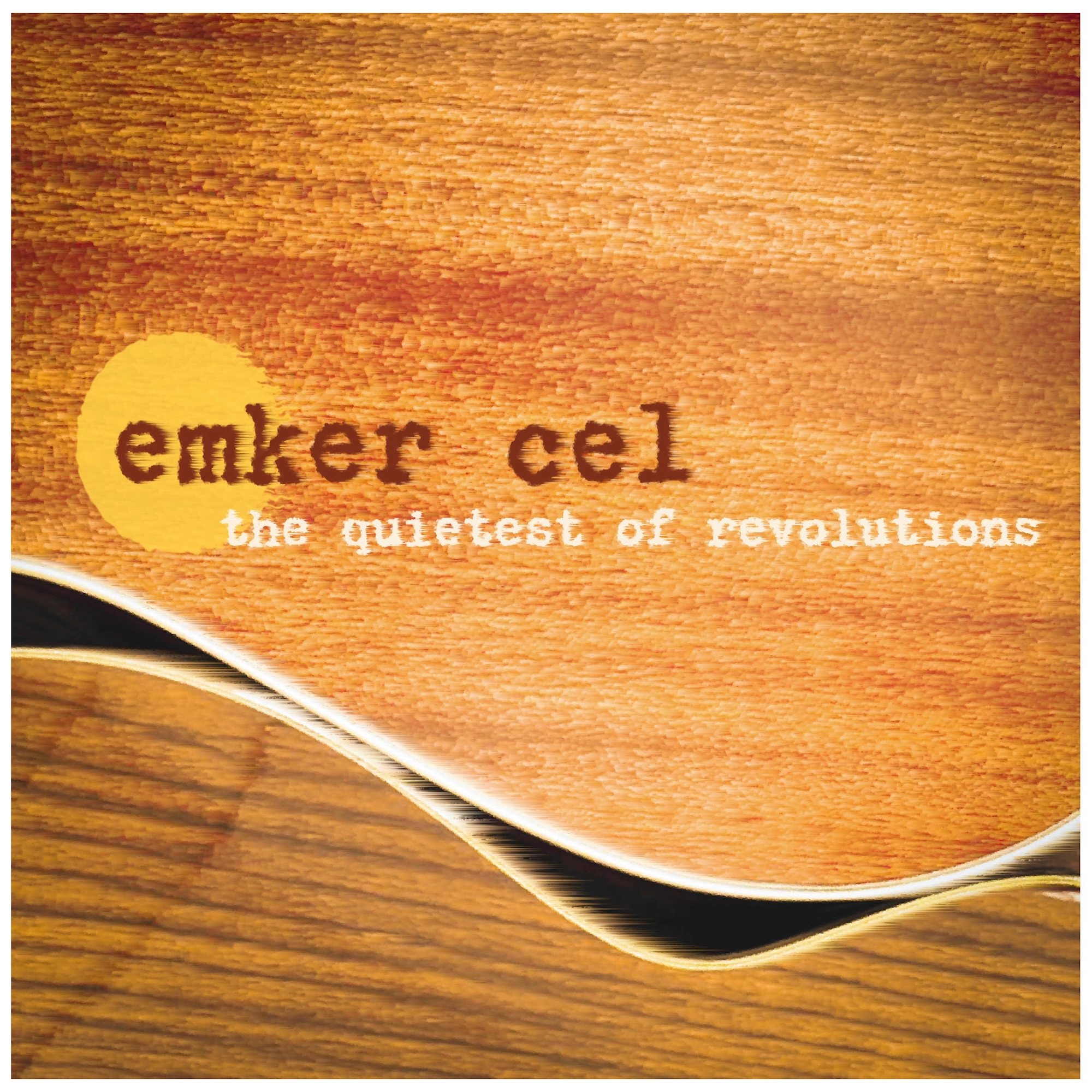
Emker Cel Strips The Quietest Of Revolutions Back to Two Guitars and Two Voices
Emker Cel normally lives in a louder place. The project usually blends 80s rock, 90s rock and alternative rock-pop. So an album built from acoustic guitar and voice is a deliberate change of direction, not a side step. All ten songs are new Emker Cel originals, and Kassell wrote every one of them. As a result, each melody had to stand up without a rhythm section or a wall of guitars.
The album also arrives in a milestone year. The project turned ten in 2026, and a singles compilation marked the anniversary. In December 2023, Good Music Radar and We Write About Music both reviewed its previous album, You Are Everything You Are.
The running order shows how carefully Kassell made that change. April Showers opens the album, and Til Tomorrow closes it. Meanwhile, Quiet Revolution sits at the centre as the sixth of ten songs, echoing the album’s own title. Before it come All Of This Could Be Yours, My Little Dove, Waits And Wonders and Just Say Yes. After it come Tin Can, As Far As and Glorious. Every one of them places the weight on melody and harmony, because nothing else in the arrangement can carry it.

Matt Kassell Wrote a Late Duet With Rita Baugh’s Voice in Mind
The most telling writing decision came late. Kassell recorded all of his guitar parts and vocals before Baugh arrived. She then added her harmonies in the last week of the sessions. Baugh is a Dutch singer-songwriter now living in Cumbria, and she released her own album, Housework, in 2013. Her voice moved Kassell to write one more song. He shaped Waits And Wonders so the two of them could sing it as a duet. It joined the album at the last minute. Consequently, it is the only song on the record that began life as a duet. That origin is a large part of its appeal.
This approach has a clear lineage. Damien Rice let Lisa Hannigan’s voice move against his own across much of O in 2002. Similarly, The Swell Season made Falling Slowly a duet in which two voices find each other slowly. The duo paired Glen Hansard with Markéta Irglová. Later, The Civil Wars took the same close-harmony idea further on Barton Hollow in 2011. Waits And Wonders belongs in that company. In addition, the rest of the album shares its preference for space over volume.
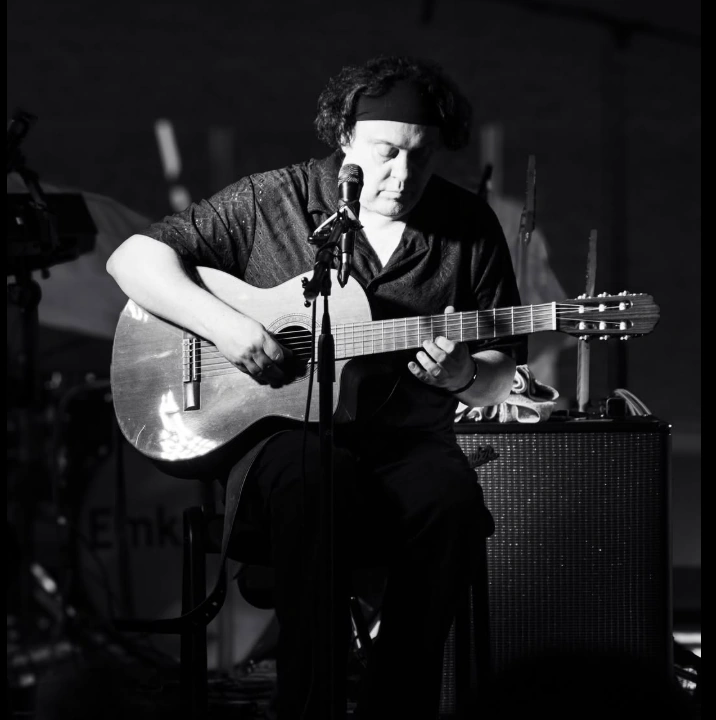
An Epiphone Hummingbird, a Takamine Nylon String and Valve Preamps Shape the Room’s Sound
The room itself belongs to Kassell. Emker Cel made The Quietest Of Revolutions there between May and June 2026, at Kassell’s Abbey Road Studio in Barrow-in-Furness. It is a different room from the famous London address of the same name. Kassell also engineered the sessions himself. Two guitars carry the whole album: an Epiphone Hummingbird steel-string acoustic and a Takamine nylon-string classical. Together, they set the brighter attack of steel strings against the softer, rounder voice of nylon.
The microphone choices aimed for warmth. Kassell put an AKG 414 condenser and a Golden Age R1 ribbon microphone on the guitars. That pairing combines the condenser’s detail with the smoother top end that ribbon microphones usually bring. For the vocals, he used a Shure SM7B. Everything then ran through valve preamps, in pursuit of what the project calls a true vintage analogue sound. As a result, the natural decay of each strum stays audible instead of disappearing under compression.
Hear The Quietest Of Revolutions by Emker Cel on Bandcamp, Apple Music and Tidal
Kassell also mixed and mastered the album. The same pair of ears followed it from the first take to the final master. Seahouse Records then sent it out for distribution. Alpha Duplication pressed a limited-edition CD, available through Bandcamp. It adds three bonus tracks from the same sessions: Home, Halfway Home and Home Part 2. Together they form The Home Trilogy.
For fans of Damien Rice and The Swell Season, The Quietest Of Revolutions by Emker Cel is an easy recommendation. Likewise, anyone who prefers an acoustic record that sounds like two people in one room will find it here. It is a patient album that rewards a quiet evening and a good pair of speakers.
AcousticMusic.News’s curator team:
“The decision to write Waits And Wonders after hearing Rita Baugh sing is the heart of this record. It turns a solo songwriter’s album into a conversation. The ribbon-miked guitars then give that conversation a warm, close room.”
Stream the album on Bandcamp, Apple Music and Tidal; it is not on Spotify. Follow Emker Cel on SoundCloud, the YouTube channel and Facebook.









About The Author