List do Matki (Do Ciebie Mamo) Gets Piano and Violin From Leila Fae, Sixty Years After Violetta Villas
A Polish Singer in Britain Turns a 1966 Ballad About Missing Home Into Soul
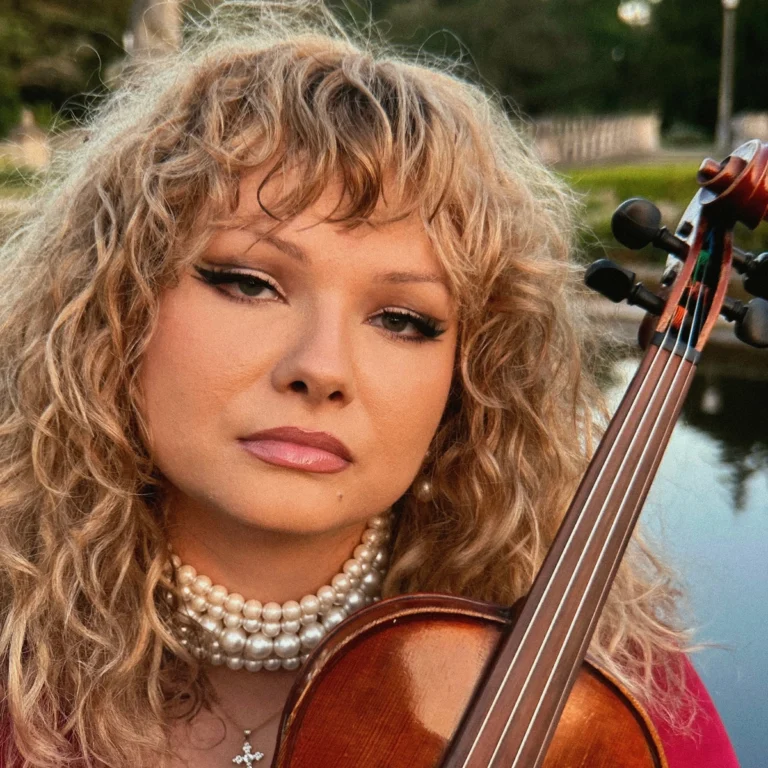
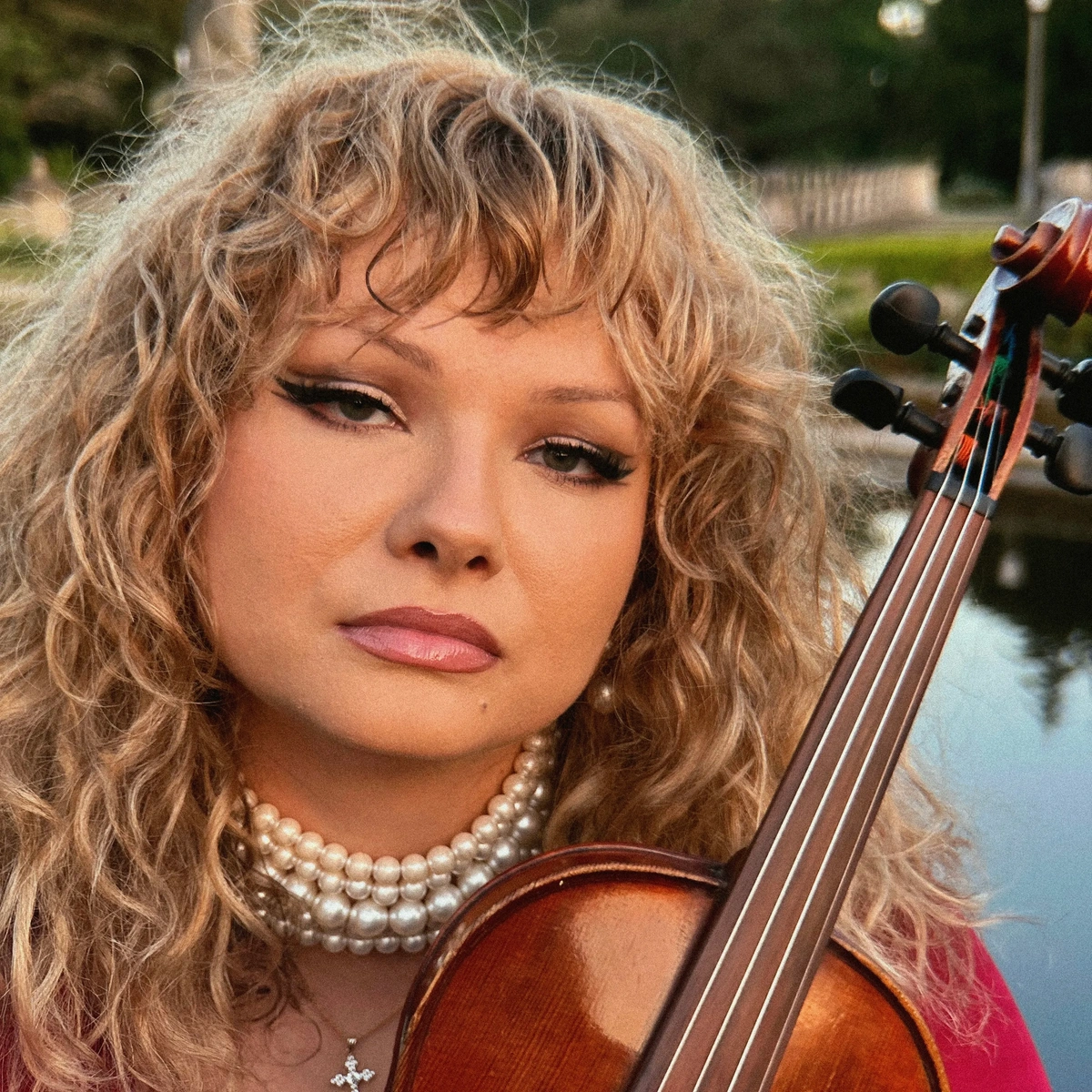
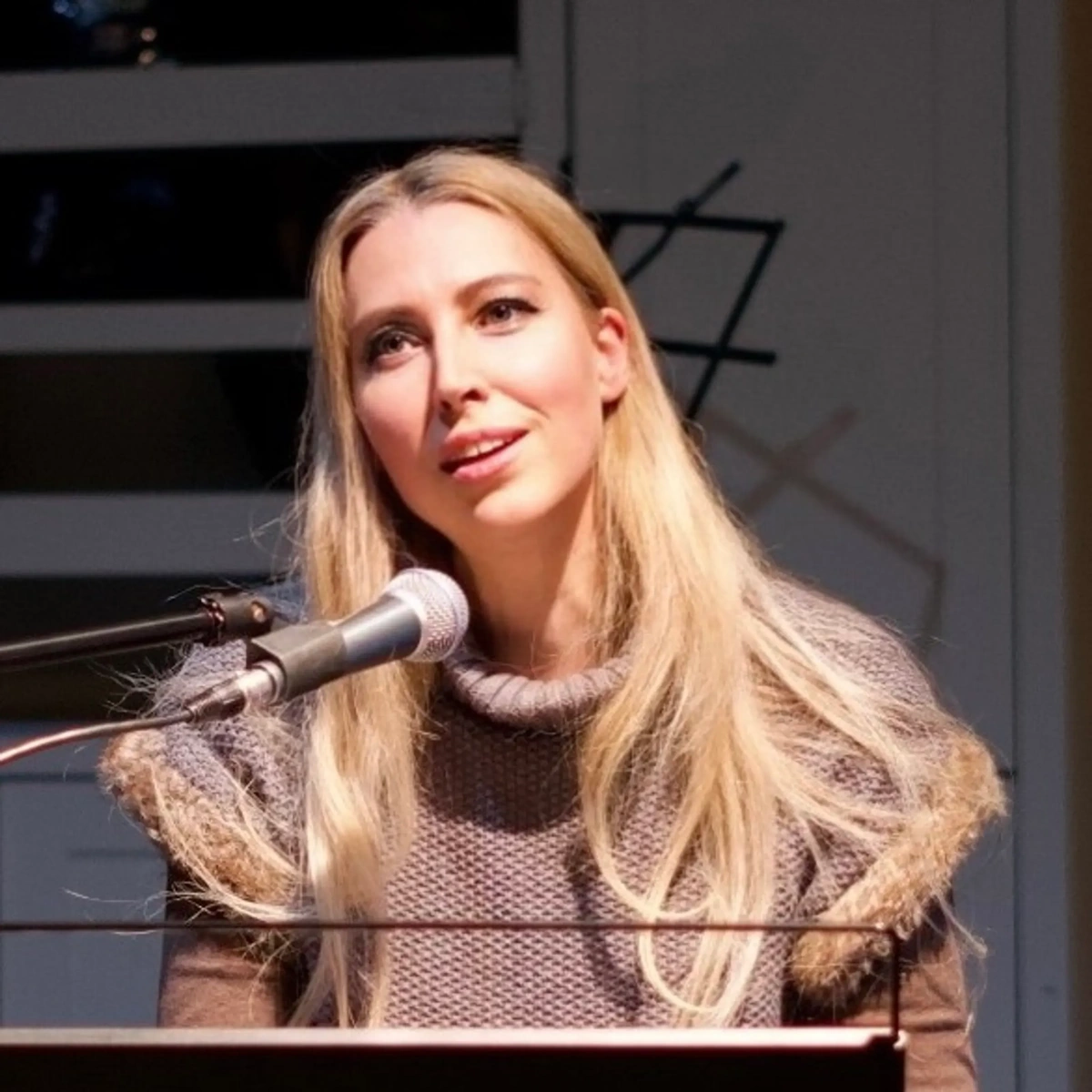
Leila Fae plays violin on her version of List do Matki (Do Ciebie Mamo), and almost everything else is hers. It is a cover of the Polish ballad Violetta Villas recorded in 1966, and she presents it as one. She released it on 26 May 2026, when Poland celebrates Mother’s Day. Her arrangement turns it into a piano-led soul and R&B ballad, with the violin woven through it.
Leila Fae’s List do Matki (Do Ciebie Mamo) sits in the playlist below, with this desk’s chamber and soft folk, and everything we have written about her is on her artist profile. List do Matki reached AcousticMusic.News through PopHits.Co Music Charts, which verifies independent artists and places their releases across its network of music news desks. Listen first, then read on for the letter behind it.

List do Matki Opens on One Word, Mamo, and Leila Fae Keeps It at the Centre
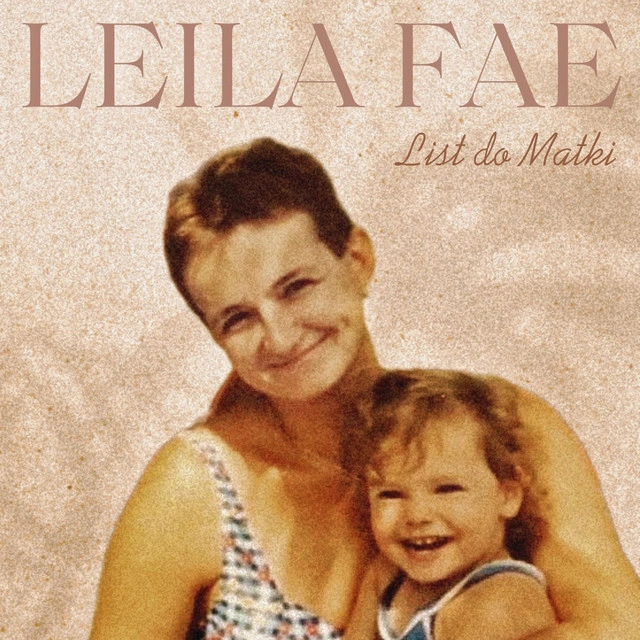
The hook is a single word. The title means Letter to Mother. The letter begins the way a letter home would, by naming the person it is for: Mamo, Mum. The first line then says that it is sad and strange where the writer is now.
That word comes back at the start of each verse. So the song keeps returning to the person it is addressed to. Even the softest line opens with it: Mamo, nie myśl, że się skarżę, Mum, don’t think I am complaining. Her cover keeps that word at the centre, just as the 1966 original did.

The song belongs to its writers. Mirosław Łebkowski and Stanisław Werner wrote the words, and Adam Skorupka composed the music. So Leila Fae released her version with permission from the authors and their heirs. She handled the arrangement, vocals, instruments, production, mix and creative direction herself, while Rory Craig made the video.

The Lyric of List do Matki Remembers a House, an Old Maple and Trees That Grow Differently
So what does the letter say? It works through small, exact details rather than big statements. The trees grow differently here, drzewa inne rosną. The writer still sees the family house, with the mother inside it. The memory also holds stary klon, the old maple, dark and tall.
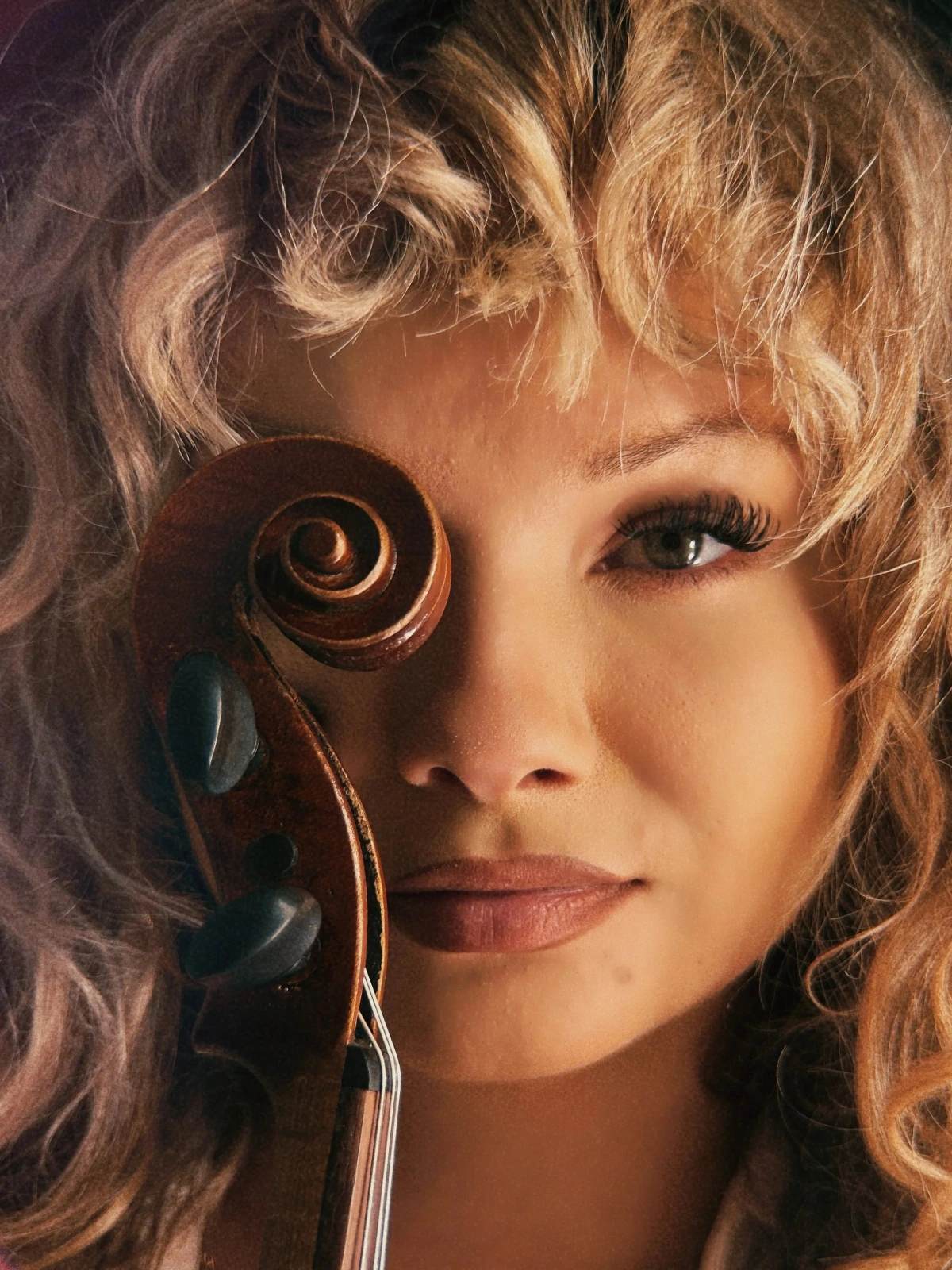
What the writer misses is childhood, and the dreams that went with it. That is where the song meets Leila Fae’s own story. The singer, songwriter and producer has lived in South London, United Kingdom, for many years. She says the song has always reminded her of her mother, and of a love that distance does not change. Her release page also carries a birthday and Mother’s Day message to her mother.
Violetta Villas gave the song its first famous voice. Born Czesława Cieślak in 1938, she was a coloratura soprano with an unusually wide range. French and American publications called her the voice of the atomic age. She also played the violin, the instrument Leila Fae adds to the song.
Leila Fae Keeps the Letter Shape of List do Matki, From the First Address to the Goodnight
The structure follows the letter too. It opens with the address and moves through reassurance and memory. Then it turns to the act of writing itself: list do ciebie piszę, I am writing you a letter. Near the end comes a promise to send it tomorrow. Finally the song closes like a lullaby, telling the mother to sleep well.
Leila Fae keeps that shape and changes only the setting, so the words stay as they were. Her version runs to 3 minutes 36 seconds.
Soul has a long history of covers that change what a song means without changing its words much. Aretha Franklin rearranged Respect in 1967, two years after Otis Redding first released it. Her version became her signature song and also won two Grammy Awards. List do Matki gets a smaller version of that treatment here. It is the same letter, sung by a daughter who now lives far from home.
So who is it for? Polish listeners abroad will know the song already. Anyone who has moved away from family will still understand it without the language. And because it joins soul to two classical instruments, it suits listeners who like both. Start with the video, then listen to Violetta Villas’s 1966 recording, and come back to hear what the violin adds.
AcousticMusic.News’s curator team: “We added List do Matki (Do Ciebie Mamo) to our Acoustic Folk, Soft Folk, Chamber Folk playlist. A Polish lyric with an English-speaking life behind it, sung with care for both.”
Stream List do Matki (Do Ciebie Mamo) on Spotify or Apple Music. Then read the story behind it on her release page. Follow Leila Fae on Spotify, Apple Music, YouTube, Instagram, TikTok and her website.













About The Author