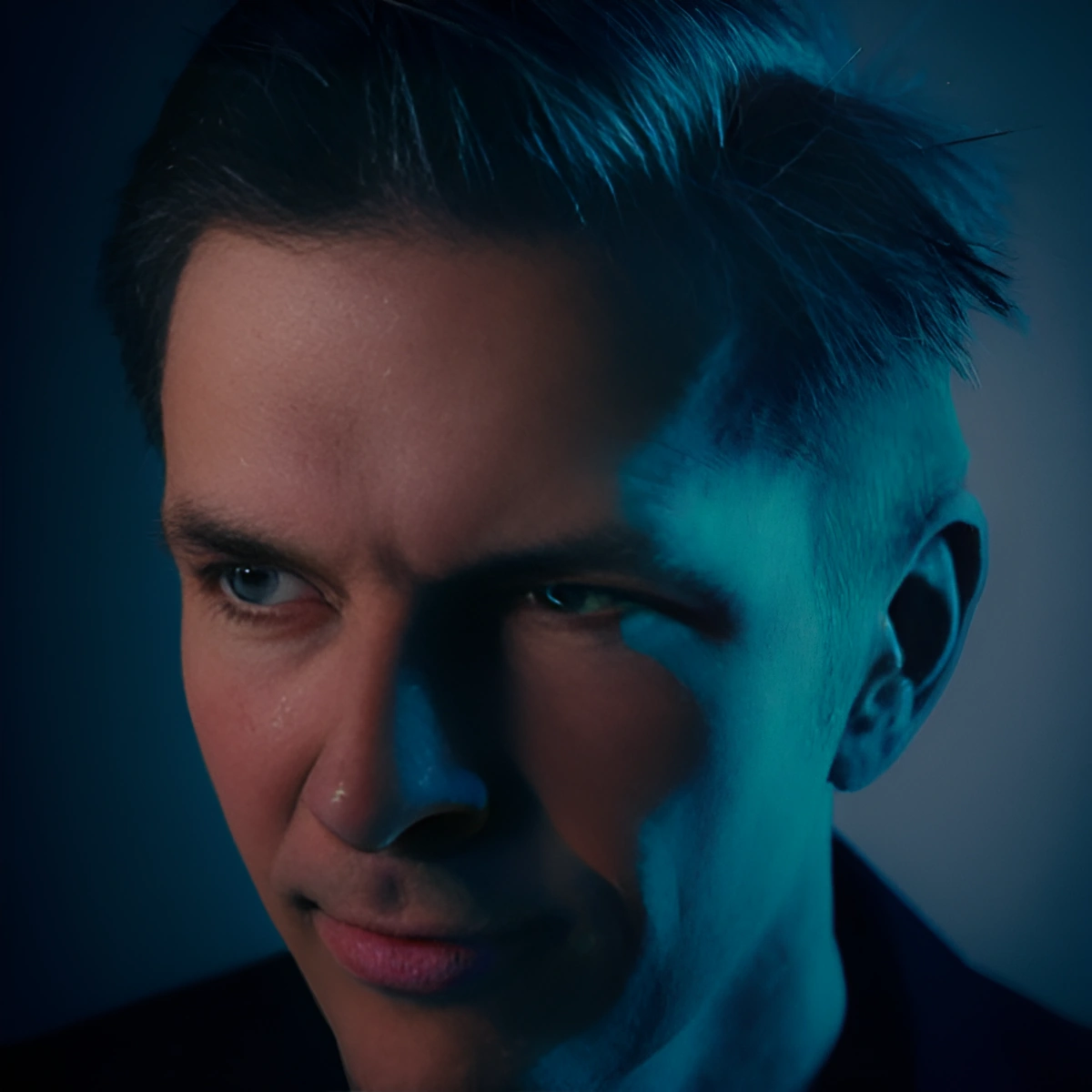
How Violin and Cello Get Captured on The Peacemaker by Franz von Chossy, a Portrait of His Own Enneagram Type
The Amsterdam Pianist Writes Enneagram Type Nine for a Sextet with Strings at Its Centre
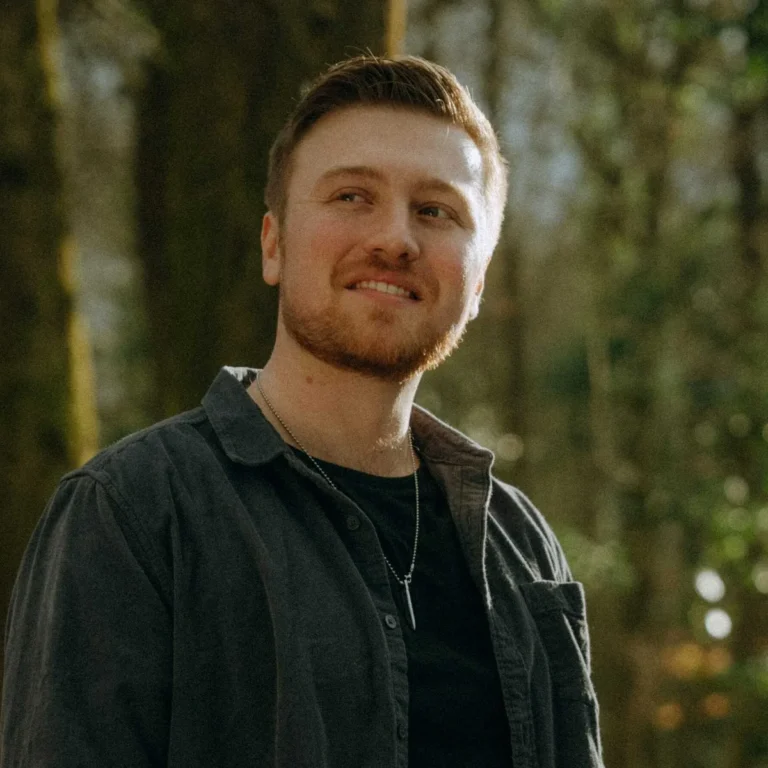
Franz von Chossy recorded The Peacemaker over two July days in 2025 at Fattoria Musica Studio in Osnabrück. His band gives violin and cello the same weight as saxophone, piano, bass and drums. The piece is the ninth portrait in Mirror 9, his jazz suite on the nine Enneagram personality types. It came out as a single in September 2025.
Franz von Chossy’s music sits in the playlist below, alongside other contemporary jazz from this desk. Every feature written about the music is collected on the Franz von Chossy profile. The Peacemaker reached AcousticMusic.News through PopHits.Co Music Charts, which verifies independent artists and places their releases across its network of music news titles. Listen to the single first, then read on for how it was made.

Franz von Chossy Turns Enneagram Type Nine Into an Instrumental Portrait of Calm That Learns to Take a Stand
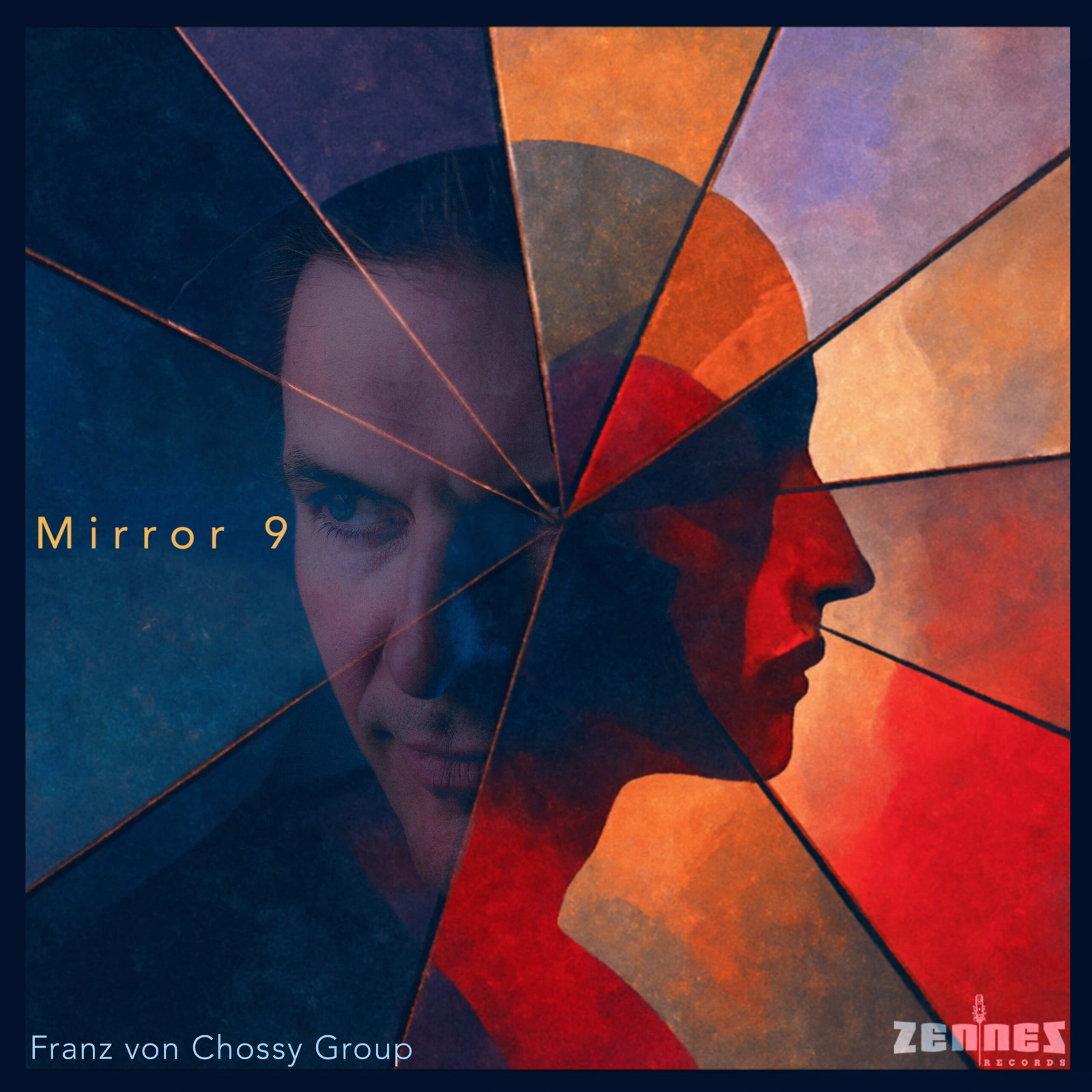
Mirror 9 starts from a psychological model rather than a melody. The Enneagram sorts people into nine connected types. It groups them by their core motivations, their fears and the way they read the world. Von Chossy wrote one movement for each type and framed the set with a prologue and an epilogue. The album came out on ZenneZ Records on 11 September 2025.
The Peacemaker is the portrait of type nine, and it is the one closest to home. According to a review of the album launch in Draai om je oren, von Chossy identifies with type nine himself.
The note that accompanies the piece describes a character who seeks harmony and calm, avoids conflict and keeps the peace. Then they wake up to what they want and take a stand. At that point, the note says, the quiet presence turns clear, grounded and full of life.

Violin, Cello and a Saxophone in the Second Violin’s Chair Carry the Story Without Words
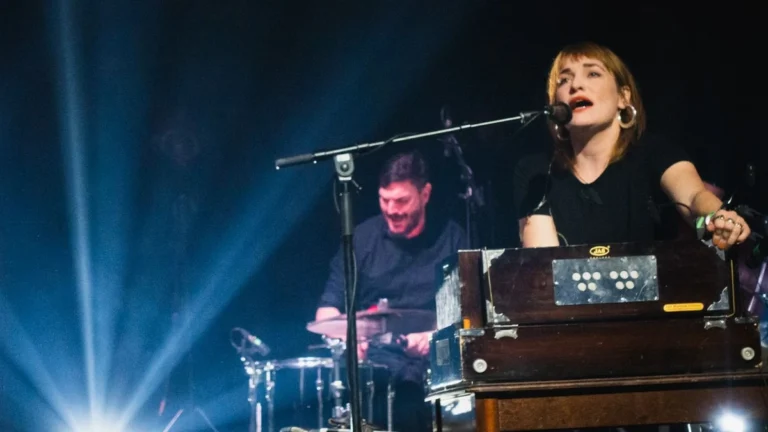
Because the music has no words, the instruments carry that story. The studio credits name George Dumitriu on violin and Saartje Van Camp on cello. Tijs Klaassen plays double bass and Jamie Peet plays drums. Von Chossy composed and produced the piece, and he plays piano. Jose Soares completes the sextet on saxophone.
That line-up is deliberate. The front line works like a classical string quartet in which a saxophone takes the second violin’s chair. According to the same concert review, Soares described matching saxophone and violin as both a challenge and an inspiration.
Reviewing the album for Written in Music in October 2025, Dick Hovenga made a similar point. He noted that strings and horns matter as much as piano, bass and drums in this band. The review also observed that von Chossy works on Mirror 9 more as a composer than as a pianist. That leaves the players room. When the piano does step forward, it firms up what is already there rather than taking over.
That approach fits his background. Von Chossy was born in Munich and came to classical music through his mother. His Ukrainian grandmother encouraged him to play folk music on the accordion. He then studied jazz piano at the Amsterdam Conservatory with teachers including Rob Madna. Later, in New York, he studied with Kenny Barron and took film composition classes. In 2006 he won the Dutch Jazz Competition with his trio and was named best soloist. Three years later, he took second prize at the Montreux Jazz Solo Piano Competition.

Franz von Chossy Captured The Peacemaker in Osnabrück, Then Played It Live at the Bimhuis
The studio take lasts four minutes and eight seconds. Stephan van Wylick recorded it at Fattoria Musica on 4 and 5 July 2025. Alessandro Mazzieri mixed and mastered it, with von Chossy producing. In the running order it sits tenth of eleven tracks, after The Optimist and before the Epilogue. That makes it the last of the nine portraits.
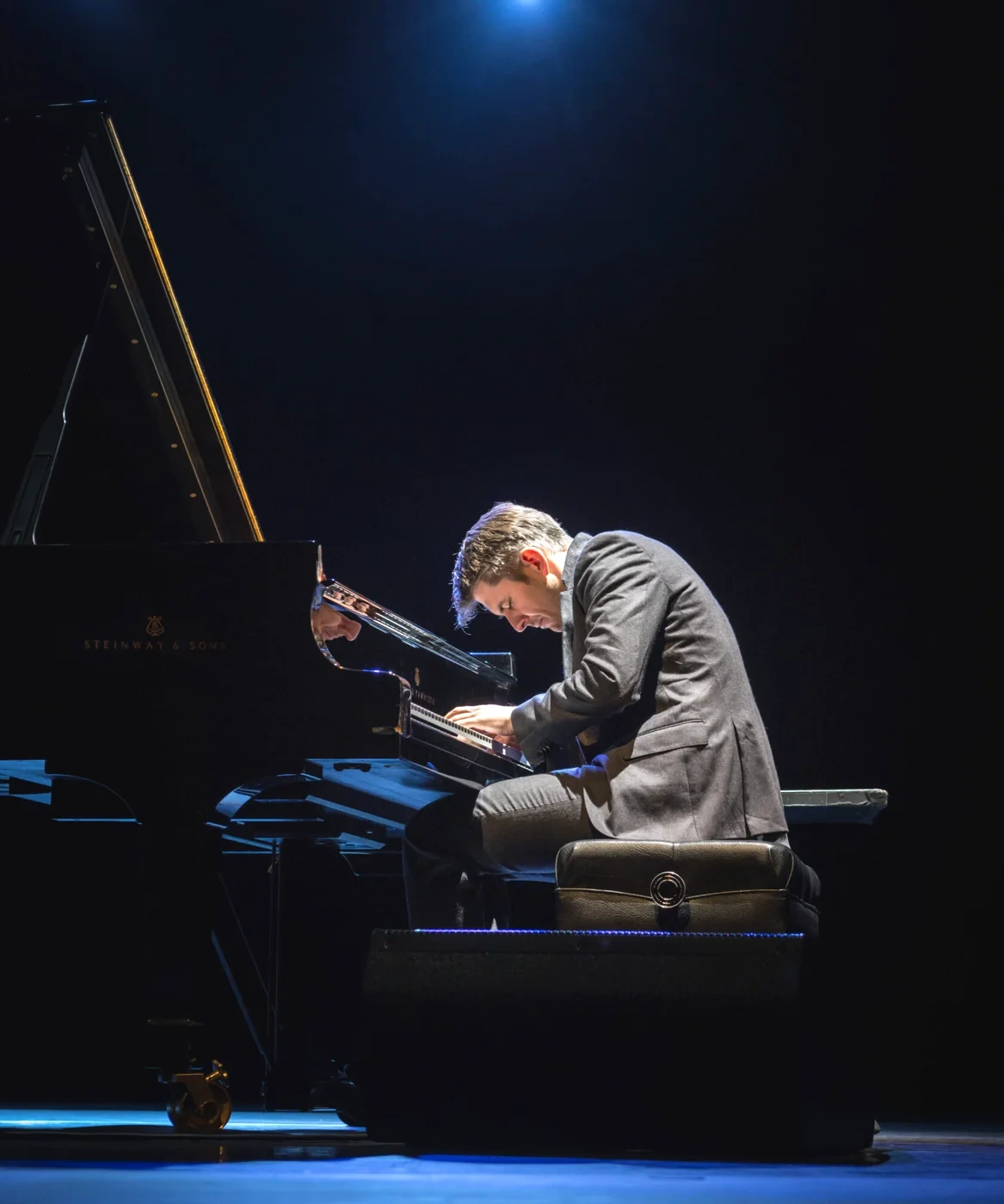
The suite also exists as a performance. The band launched Mirror 9 at the Bimhuis in Amsterdam on 11 September 2025. The video of The Peacemaker above comes from that night. Hayden Hook recorded the sound and Santiago Rodríguez Pozo filmed it. The live version runs about two minutes longer than the studio take. At the Tilburg launch the next evening, it was one of the movements built around a long saxophone solo.
The piece also extends a catalogue that has often worked in long forms. For example, When the World Comes Home in 2012 was already a nine-part suite. It set the expulsion of Adam and Eve from paradise to music. Pendulum followed in 2013 in a piano trio format. Later, Life Theater in 2019 was conceived as a soundtrack to life. Each of its pieces stands for one of life’s phases.
Who It Is For
The Peacemaker suits listeners who like jazz with a chamber music sensibility. That means written themes, strings inside the ensemble and a pianist who serves the composition. Fans of Esbjörn Svensson Trio will know the meeting of jazz trio and classical form. The Swedish group brought it to records such as Seven Days of Falling in 2003. Similarly, listeners who follow the Tord Gustavsen Trio will recognise music built around restraint. That was the approach of its debut, Changing Places, in 2003. Start with the studio take. Then watch the Bimhuis performance to hear the same portrait open up in front of an audience.
From the AcousticMusic.News Curator Team: “Nine portraits for one band is a real test of range. Putting a saxophone where a string quartet’s second violin would sit gives The Peacemaker two kinds of voice in one front line. That suits a character who keeps the peace right up to the moment they stand up.”
Stream The Peacemaker on Spotify and Apple Music, or hear the full Mirror 9 suite on Bandcamp.
Follow Franz von Chossy across platforms: Spotify, Apple Music, Deezer, SoundCloud, YouTube, Instagram and Facebook. His earlier album Life Theater is on Bandcamp, and concert dates are on his official site.

About The Author