Stephanie Rodd Recovered Puts Piano Chords Before Words
A Six Track Debut That Found Its Way From Folk Sketches to Jazz and Soul
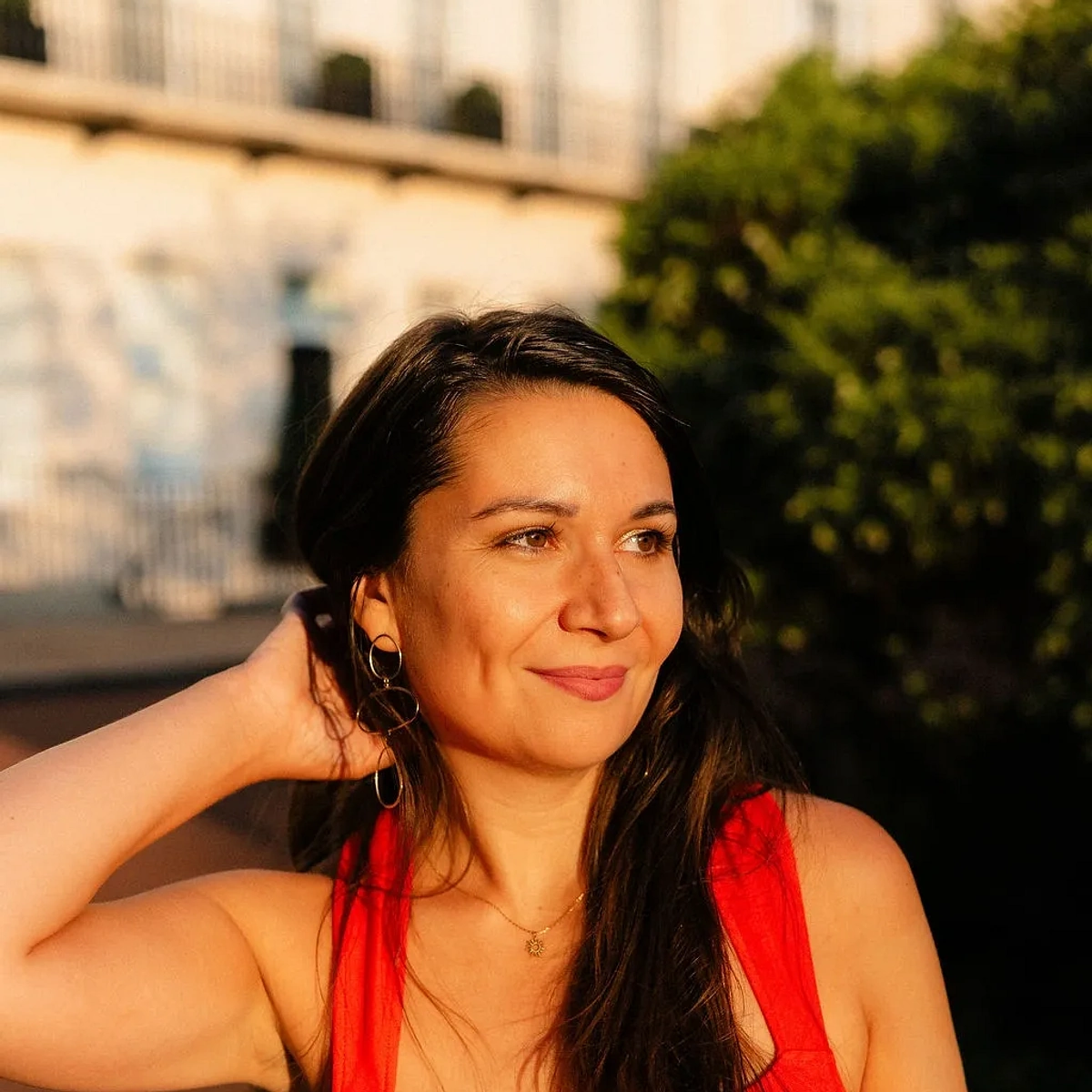
Stephanie Rodd wrote Recovered at a piano she still calls herself a beginner on. The instrument shaped the debut EP anyway. It is where her chords now arrive first, ahead of the melody and well ahead of the words. She released the six track set on 28 June 2024. It runs under twenty minutes and moves between English and French across pop, jazz, soul and R&B.
Stephanie Rodd’s music sits in the playlist below, and this desk’s coverage of her collects on the Stephanie Rodd profile. Recovered reached this desk through PopHits.Co Music Charts, which verifies independent artists and places their releases across its network of music news titles. Give it a listen before reading on.

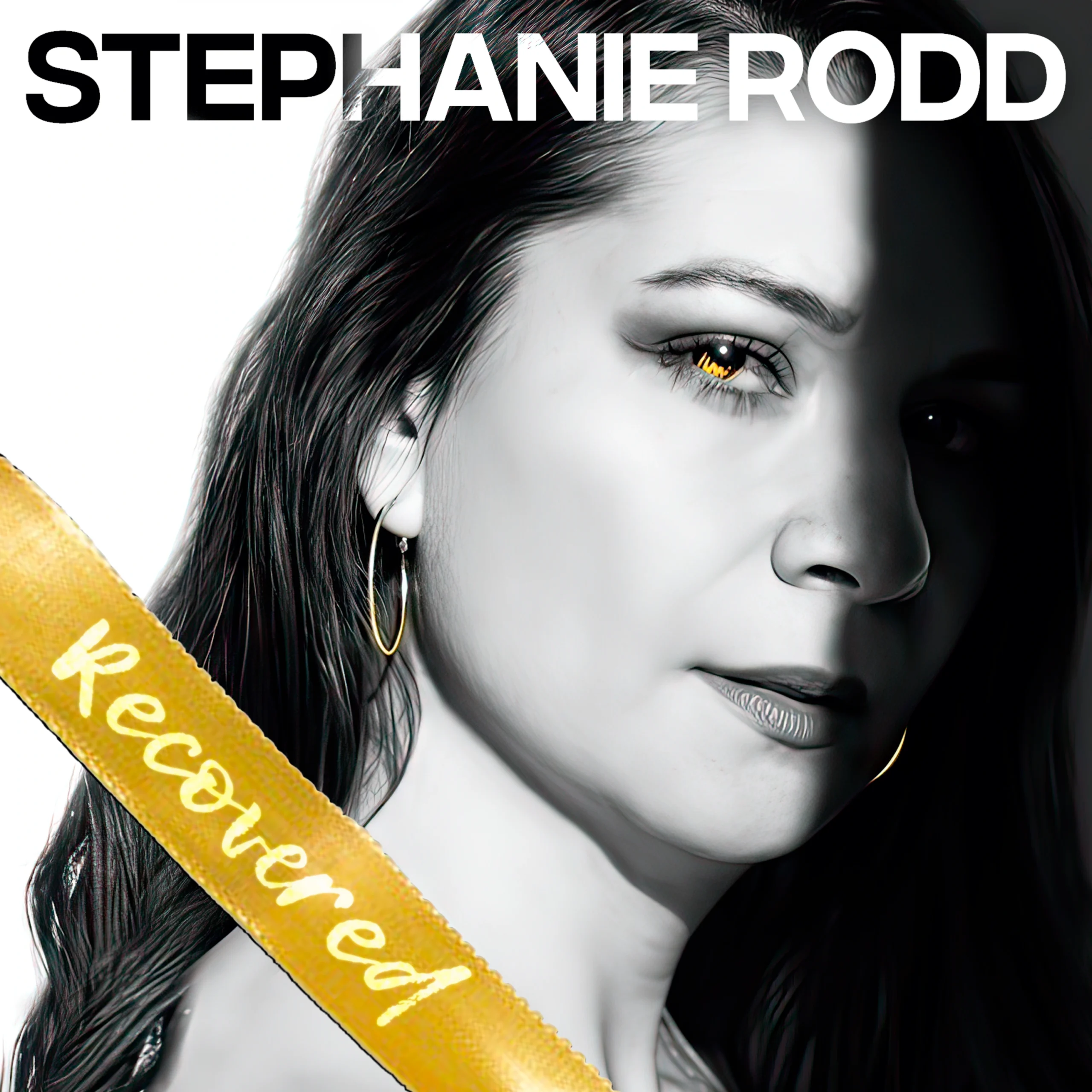
Chords Before Melody, and Melody Before the Words on Recovered
Between her first single and Recovered, Stephanie Rodd changed her writing method, and the change is audible. Earlier songs began as lyrics. She carried a melody in her head, and a producer built an instrumental around it. A few piano lessons later, the order reversed. Chords come first now, then the melody, then the lyrics. Occasionally, when something needs saying urgently, the words still lead.
That reversal matters more than the modest keyboard skill behind it. A vocal line drafted against a chord sequence sits inside the harmony. It does not perch on top of a finished backing track. The melodies across Recovered behave accordingly, leaning on the changes rather than fighting them. Rodd also builds a rough version herself in software, then hands it to a producer to finish. The arrangements that reach the studio already carry her decisions about where a song should breathe.

Where the Style Settled and How She Trained the Voice
The style took longer to settle than the method did. Rodd described that search plainly to Music Arena GH:
“When we started working on my EP with my producer, the tracks leaned towards folk or ballad styles. I wasn’t quite sure which style suited me best. In fact, my EP features several different styles. We found that my voice works well with jazz and soul.”
Her voice arrived before the technique did. She sang from early childhood. As an adult she took lessons, chasing the control that instinct alone had not supplied. The performances show both things at once: an easy upper register, and a trained steadiness on a long note at the end of a phrase.
Rodd grew up in Aix-en-Provence, in a household that listened to French and Italian records. She also works as a translator. Both facts sit underneath the bilingual writing on Recovered rather than decorating it. Insomnie carries the French, and she treats the switch as an ordinary change of register. Lyric structure was the part she set out to learn deliberately. She studied how other writers organise their verses, and worked the same question through with her producer.

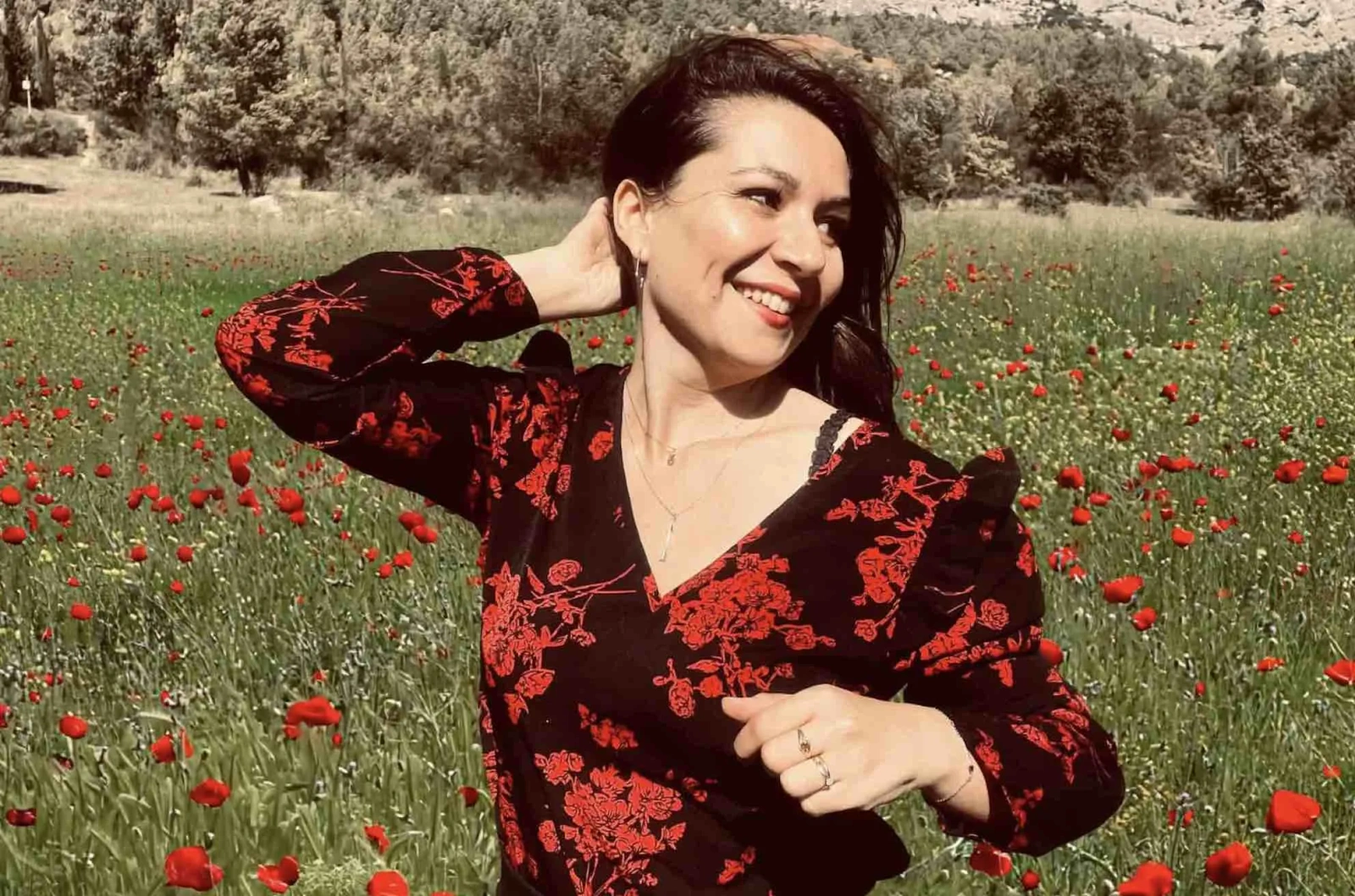
How Stephanie Rodd Sequenced Recovered Across Its Six Tracks and Twenty Minutes
The running order gives the clearest evidence of intent. Intro takes two minutes, roughly a tenth of the record, and carries no vocal at all. Reviewing the release, Clout called that opening funk laden. It sets the tone before she sings a word. On a short debut with everything to prove, giving the first two minutes to an instrumental is a decision rather than a default.
Worth It follows at four and a half minutes, the longest piece here and the lead single. It is also the most vocally forward, built around self worth. Stronger Than Ever keeps the R&B footing at three and a half minutes. Rodd had already issued both as singles before the EP collected them. Wake up in This City runs shortest of the vocal tracks at two and a half minutes, and leans most openly on jazz. Its brevity reads as restraint rather than as a sketch. Insomnie sits fifth. Magical Notes closes at three and a half minutes with the sparest arrangement on the record.
AcousticMusic.News curator team: “Placing Insomnie fifth rather than first is the quiet confidence on this record. A bilingual artist chasing an English speaking audience could have led with the French track as a novelty. Holding it back until late lets it land as one more colour in the set, which is how it actually plays.”
Who Recovered Suits, and Where to Find Stephanie Rodd Online
Stephanie Rodd made Recovered for listeners who want jazz phrasing inside contemporary pop songwriting. It suits anyone happy to hear an artist work out where she belongs. Rodd names Amy Winehouse as the artist she admires most, and the debt is structural rather than imitative. Winehouse set a jazz schooled voice over soul arrangements and kept the band unhurried. The same logic operates here. Corinne Bailey Rae is the other clear reference point, particularly on the closing track, where guitar led calm leaves the voice well forward in the mix. Listeners who came to Olivia Dean for conversational lyric writing over jazz inflected British pop will recognise the register.
Rodd runs her own releases, translation work and studio time at once. That makes the consistency across these six tracks the more notable thing about them.
Keep up with Stephanie Rodd across platforms: Apple Music, Deezer, Amazon Music, SoundCloud, Bandcamp, Instagram, TikTok, YouTube channel, Facebook, X, LinkedIn, and her official site.







About The Author