
Walking the Tightrope Hangs Stephanie Phillips' Seventh Album on a Looping Acoustic Riff
Stephanie Phillips Sets Hard-Won Lyrics Against Patient, Fingerpicked Folk Arrangements
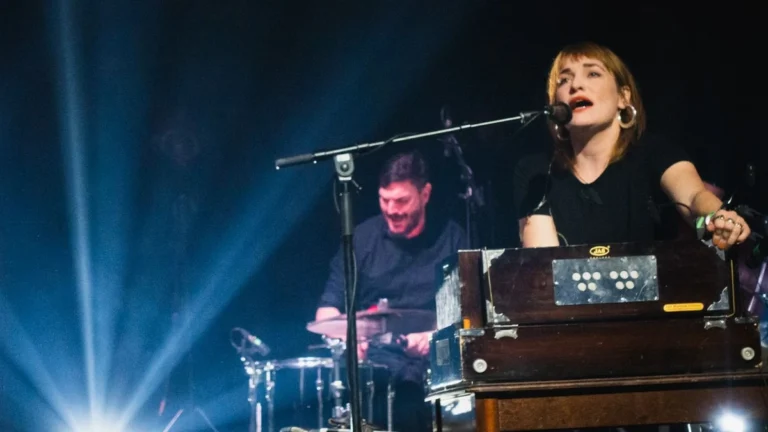
A shiver of fingerpicked acoustic guitar and a deep cello open Walking the Tightrope, the seventh album from Stephanie Phillips. It came out on 28 August 2026. The twelve songs keep her folk writing at the centre while the ensemble around it grows. The title track supplies the hook. Its looping acoustic riff sounds like someone keeping their balance on a narrow line.
Stephanie Phillips’ Walking the Tightrope is in the playlist below, and her full coverage history is collected on her artist profile. The record came to this desk through PopHits.Co Music Charts, which verifies independent artists and places their releases across its network of music news titles. Press play, then read on for how the songs are built.

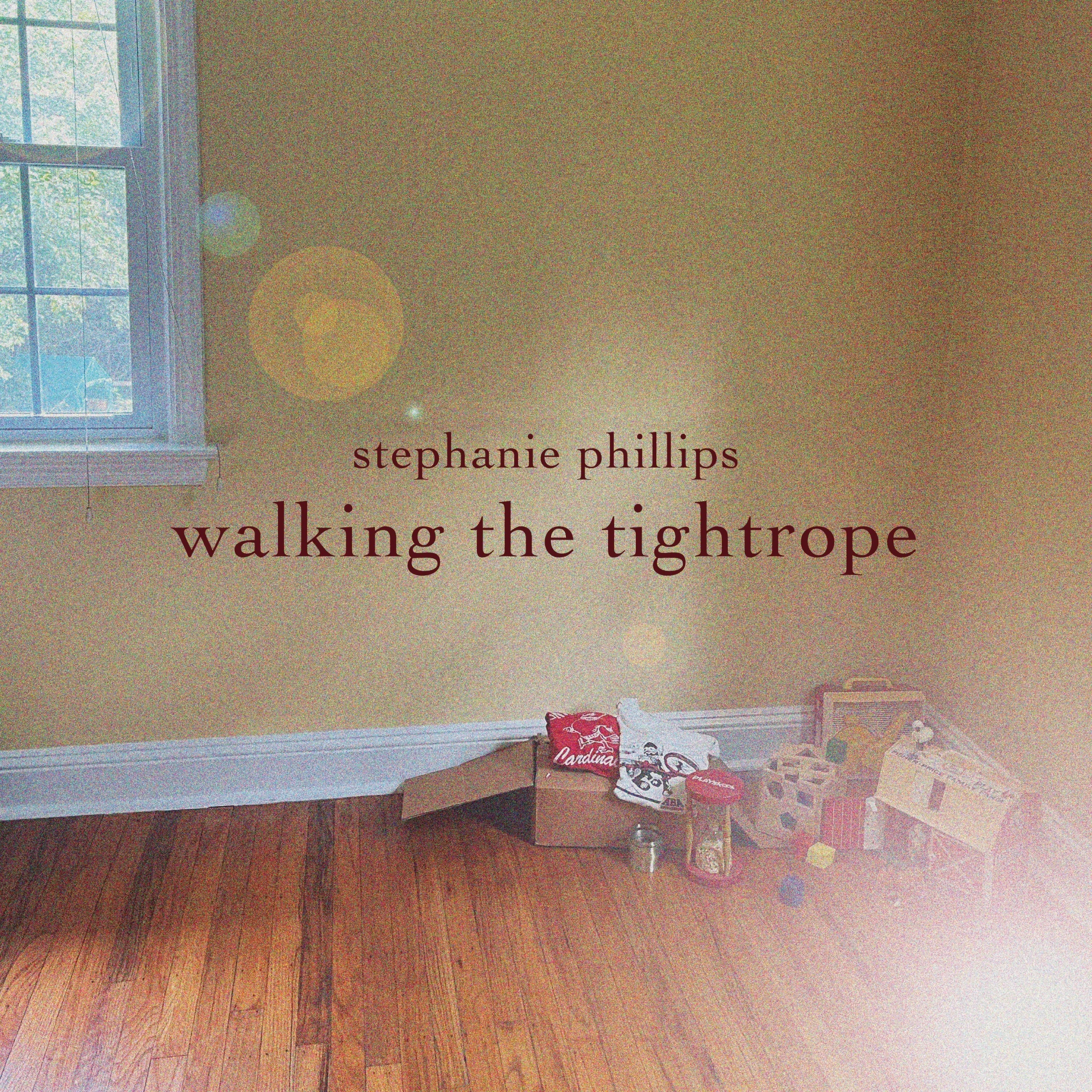
The Title Track’s Looping Acoustic Riff Gives Walking the Tightrope Its Hook and Its Central Image
As Biography Web describes it, the title song starts with an urgent, rhythmic acoustic figure. That figure repeats in a loop. That riff does the work a chorus often does. It gives the listener something to hold, and it mirrors the image in the title, one careful step after another. Around it, percussion and vocal harmonies build until the arrangement is full. Even so, the lead vocal stays clear on top of the take.
The image comes from life rather than from a songwriting exercise. Zillions Magazine traced the title track to a period that held two events at once. Her brother died, and she married for the second time. In other words, the title names a fragile place where loss and new happiness arrive at the same time. That is why the riff never settles into comfort. It keeps moving, because the person in the song has to keep moving too.
The title track also sits at number three in the running order. As a result, it follows the two songs that set up the album’s poles, struggle and grief. Then it turns them into a single balancing act.

The Lyric Holds Loss and Relief Side by Side
The opener, Try As We Might, is about holding together the falling pieces of a world. It also accepts how little anyone controls. An intimate vocal line sits over fingerpicked steel strings and soft string pads. So the arrangement stays close to the voice. It reads like a note to anyone exhausted by trying to manage everything.
Next comes My Brother’s Shoes, the album’s direct reckoning with loss. Isolated guitar notes hang in the air before brushed percussion enters at a slow, heavy pace, much like a heartbeat. Sparse piano and a slide guitar carry the rest, and nothing covers the vocal. The arrangement captures grief by leaving space rather than filling it.
Relief arrives with Blue Sky. The lyric thanks the person who pulls you out of darkness. The music changes to match, with an open-tuned guitar, distant wind chimes and a bright mandolin. Later, Possessions turns to the objects that carry memory. It opens on vinyl crackle, then piano and a slow upright bass lead it into jazz-touched folk. Meanwhile, Force of Nature admits that some feelings are simply too big to control. Phillips sings it with a rougher, grittier edge.


Twelve Songs Running From Try As We Might to Study in Opposites Show How the Album Is Built
The structure rewards listening in order. The twelve tracks run from 2:49 to 4:32, and none of them outstays its idea. The opening three move from struggle to grief to balance. After that, Blue Sky lets the light in. The middle of the record then works through memory and emotion song by song. The longest track, Receive, arrives at number eight. Then the album closes on its shortest song, Study in Opposites. Its title returns to the tension that runs through the whole record. Both of those songs also reached listeners early, as singles in May and June 2026.
The arrangements carry the same plan. Phillips built her name on acoustic guitar, strong melodies and direct lyrics. Here she adds drums, cello and keyboards to that core. Iggy Magazine heard a clear break with the acoustic minimalism of her earlier folk records. Crucially, the new ensemble never buries the voice. The fuller songs build gradually, and the sparse ones stay sparse.
There is a well-known folk precedent for that move. Iron & Wine began with the home-recorded fingerpicking of The Creek Drank the Cradle. Later came the full-band arrangements of The Shepherd’s Dog. Similarly, Shawn Colvin wrapped fingerpicked songwriting in fuller band arrangements on A Few Small Repairs, the album that carried Sunny Came Home. Phillips follows the same principle: the band grows, but the song stays in charge.
Where to Start With Walking the Tightrope
Phillips also brings long stage experience to these songs. She has performed in New York venues including the SpeakEasy and the Village Gate. That shows in the pacing, because each song sits where a listener can hear it properly.
AcousticMusic.News’s curator team: “Phillips sequences Walking the Tightrope like a set list. The third track resolves the first two. The closer leaves the tension open on purpose, a performer’s decision as much as a songwriter’s.”
Start with the title track for the hook. Then go back to Try As We Might and play the album through in order. After that, return to My Brother’s Shoes and Blue Sky back to back to hear the two poles the record balances.
Stream Stephanie Phillips on Spotify, Apple Music and Deezer, and watch more on her YouTube channel. Then follow her on Instagram and Facebook.









About The Author