Rene Russell's 12-String and the Room in the Recording of STAND for the Ocean
A Waynesville Songwriter Turns Percussive 12-String Finger-Picking Into an Eco-Folk Call to Act
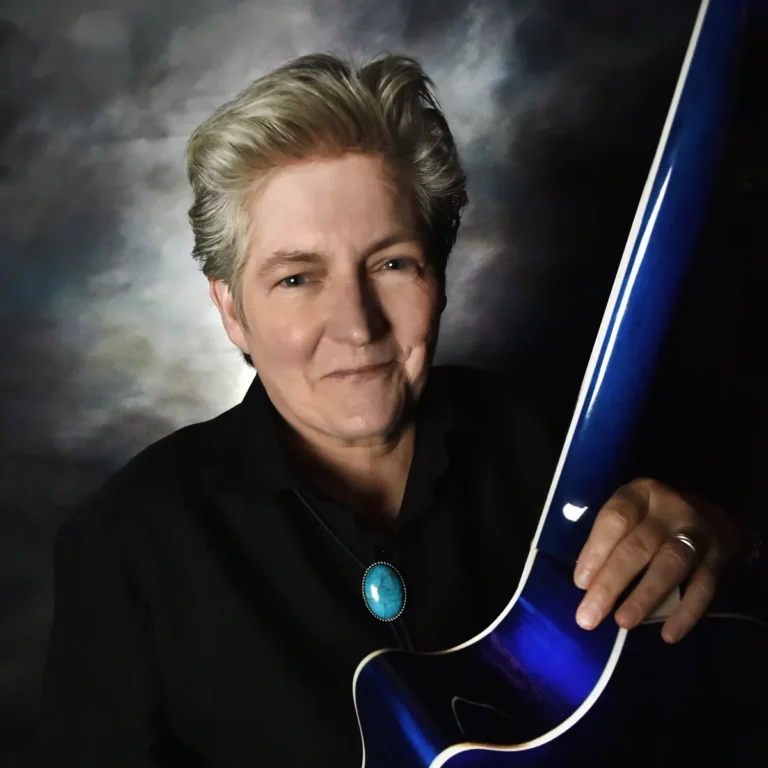
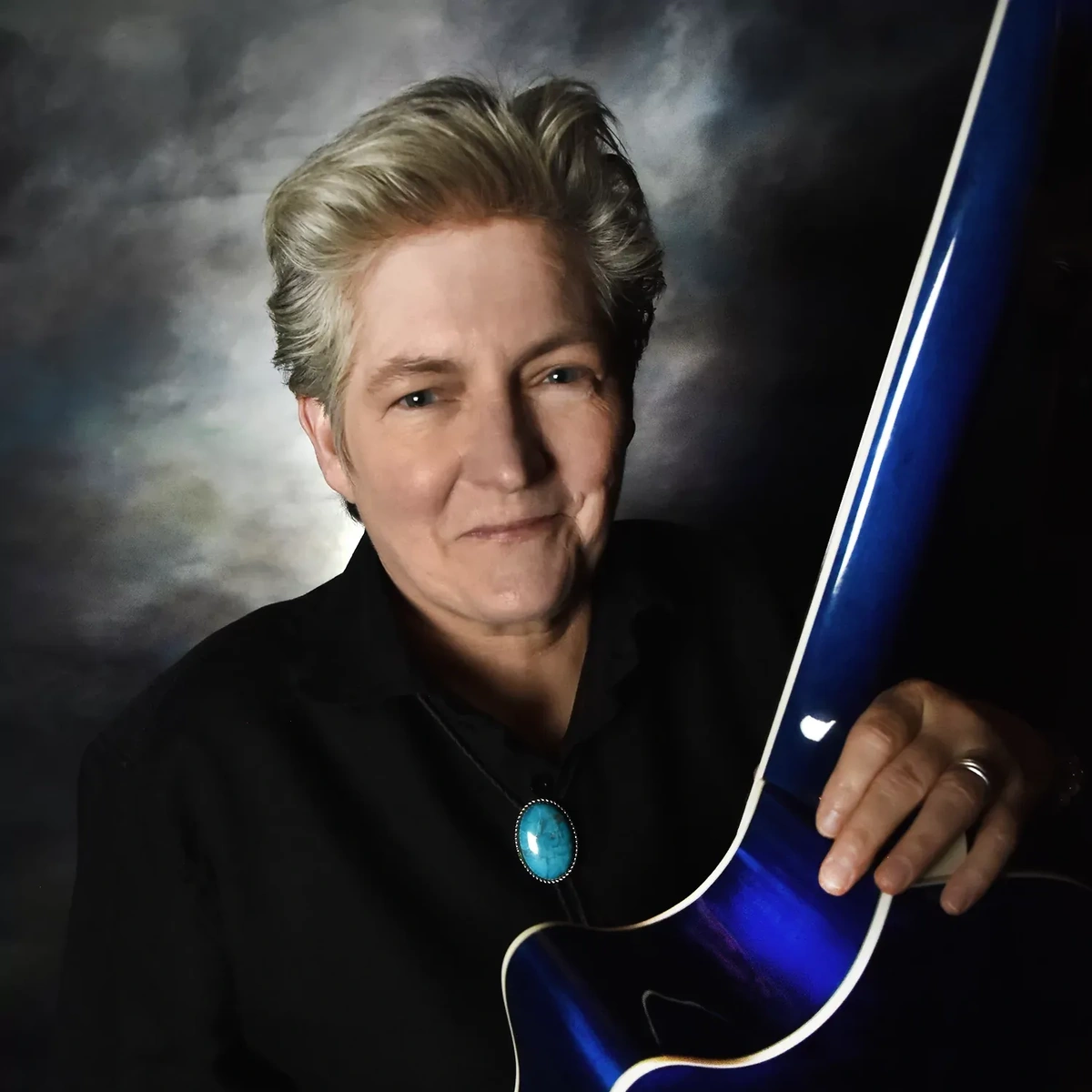
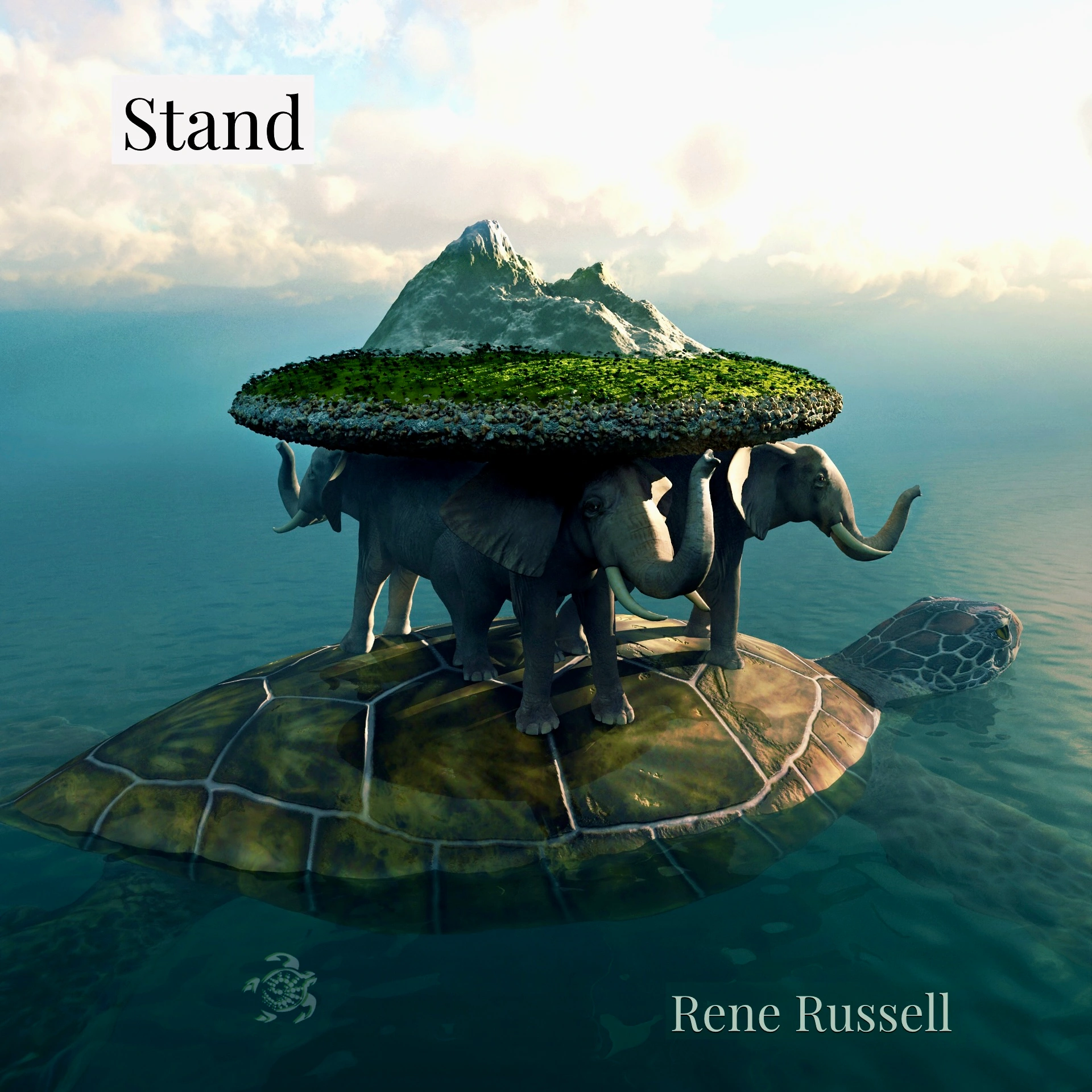
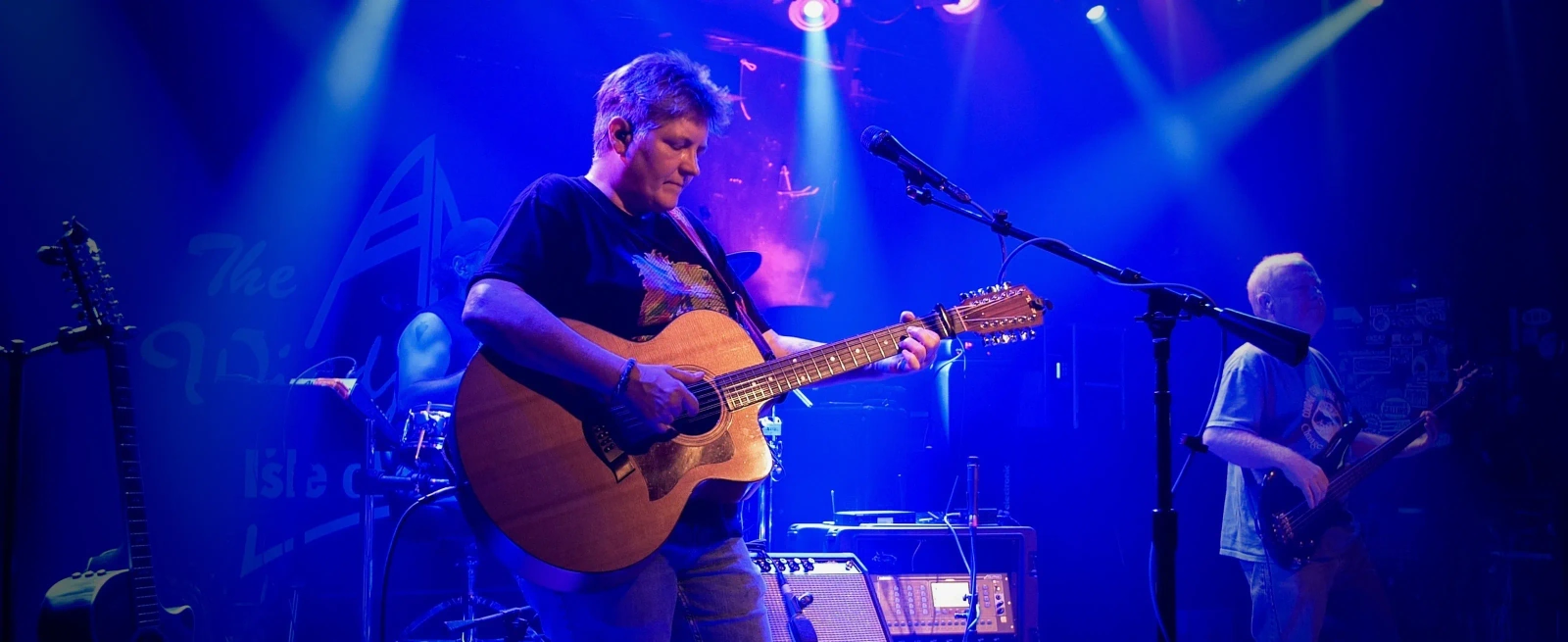
The engine of STAND for the Ocean is a single 12-string guitar, played with the percussive finger-picking that Rene Russell has refined since 1972. She built that technique so that one instrument can carry the bass line, the rhythm and the melody at once. Released on April 19, 2024, STAND for the Ocean points the method at one subject: what we will tell the next generation about the sea.
Rene Russell’s STAND for the Ocean sits in the playlist below, among the fingerstyle and acoustic rock recordings it belongs with. Her full run of coverage is on her artist profile. STAND for the Ocean came to this desk through PopHits.Co Music Charts, which verifies independent artists and places their releases across its network of music news titles. Listen first, then read on for how the room and the 12-string shaped it.

The Percussive 12-String Hook at the Centre of STAND for the Ocean and Its Recording
The instrument explains the sound before anything else does. A 12-string guitar pairs every string with a second one. The lower courses are tuned an octave apart and the top two in unison, so each chord rings with a natural shimmer. Russell plays it percussively, which means her picking hand also keeps time. On her own site she describes the result as bass lines, rhythmic patterns and melodic lines played at once. The guitar fills the space a small band would otherwise take.
That approach has a long history behind it. The culture site KIMU covered the single on release day. It noted that Russell grew up in South Carolina and has performed her Americana-folk-rock style across the United States for more than 30 years. She now works from Waynesville, in the mountains of Western North Carolina. There she also formed the trio The HiHearts with Bridget Gossett and Heidi Holton.
The room itself is local. STAND for the Ocean was recorded at Purple Ridge Recording in Western North Carolina. Michael Hynes produced it and also mastered the track. The recording builds outward from the guitar. KIMU heard it open on textured drums and a dynamic guitar soundscape, with atmospheric vocals and harmonies on top. Meanwhile, We Write About Music described an arching acoustic jam under the vocal. The finished single runs 3:35.

What the Lyric Asks
The words carry the hook as much as the guitar does. Russell has said she wrote the song to bring more awareness to how we are mistreating the planet, and the ocean in particular. The opening lines frame the present as a critical time. Then they ask what we will say when children want to know why the ocean was allowed to die. They then press the point that if this generation does not act now, the failure repeats. KIMU called the release art as activism, and the lyric is written that way. It asks plain questions of the listener, with no metaphor standing between the singer and the subject.
That plainness is a choice. Many environmental songs describe a landscape and let the listener draw the conclusion. STAND for the Ocean starts from the conclusion and asks who will answer for it. As a result, the title works as an instruction, and the single sets its first word in capitals.

Rene Russell Builds STAND for the Ocean as a Three-and-a-Half-Minute Folk-Rock Message Song
The structure follows the purpose. At 3:35, the single moves quickly from its opening drums and guitar into the first question. The harmonised vocals widen the sound, and the drums give the 12-string’s percussive pulse a firmer floor. In other words, it is arranged to be heard once and remembered, the way message songs usually are.
Music Arena GH placed it squarely in that tradition. The site heard Americana-folk-rock with undertones of the 1960s activism era and reached for Joan Baez and Bob Dylan as reference points. Baez is the clearer match. Her early records showed how a single voice and an acoustic guitar could carry a public argument. Russell’s song works the same way, with a 12-string in place of the six.
Who STAND for the Ocean Is For
Two more names explain the guitar side of the record. Leo Kottke made the 12-string a solo instrument on 6- and 12-String Guitar in 1969, proving one player could sound like a full arrangement. Later, Ani DiFranco paired a percussive acoustic attack with political songwriting. Russell sits between them: the 12-string range of the first, the conviction of the second.
That makes the single a fit for listeners who value storytelling and melodic depth in acoustic, alt-folk and Americana music. It also suits anyone who follows guitar technique as closely as lyrics. Likewise, it belongs on playlists built around environmental themes, where a song that asks a direct question earns its place.
The single sits in a busy period for Russell. Her self-titled album arrived in 2020 and Freeverse followed in January 2023. A run of singles came next, from We Live & Breathe to The Key in February 2024. She has also kept performing the song, including a live take filmed at The Evening Muse and posted to her YouTube channel in July 2024.
From the AcousticMusic.News curator team: “A 12-string played percussively is a rhythm section, a bass player and a lead guitarist in one pair of hands. On STAND for the Ocean, Rene Russell points all three at a single question about the sea, and keeps the answer to three and a half minutes.”
Stream STAND for the Ocean and Follow Rene Russell From Western North Carolina
Stream STAND for the Ocean on Spotify, Apple Music, Amazon Music and Pandora, or watch the official video on YouTube.
Follow Rene Russell on Facebook, TikTok, X, SoundCloud and the YouTube channel. Her official site lists upcoming shows and the full discography.









About The Author