
The History of Sugar Opens on a Guitar Arpeggio and Makes John Leslie Wait
How a Guitar Arpeggio, a Keyboard Theme and a Forward Vocal Build a Latin Jazz Ballad
The History of Sugar opens with a guitar arpeggio and nothing else, laying out the chords one note at a time. A keyboard theme arrives over the top of it, romantic and unhurried. Only then does John Leslie start singing. Several more lines pass before percussion and electric guitar step into the space. That staging is the whole argument of the record, and it is a decision rather than a habit.
John Leslie’s music is in the playlist below, and his coverage across the network is gathered on the John Leslie profile. The History of Sugar came to this desk through PopHits.Co Music Charts, which verifies independent artists and places their releases across its network of music news sites. Give it a listen, then read on.

The Hook of The History of Sugar, and What It Withholds
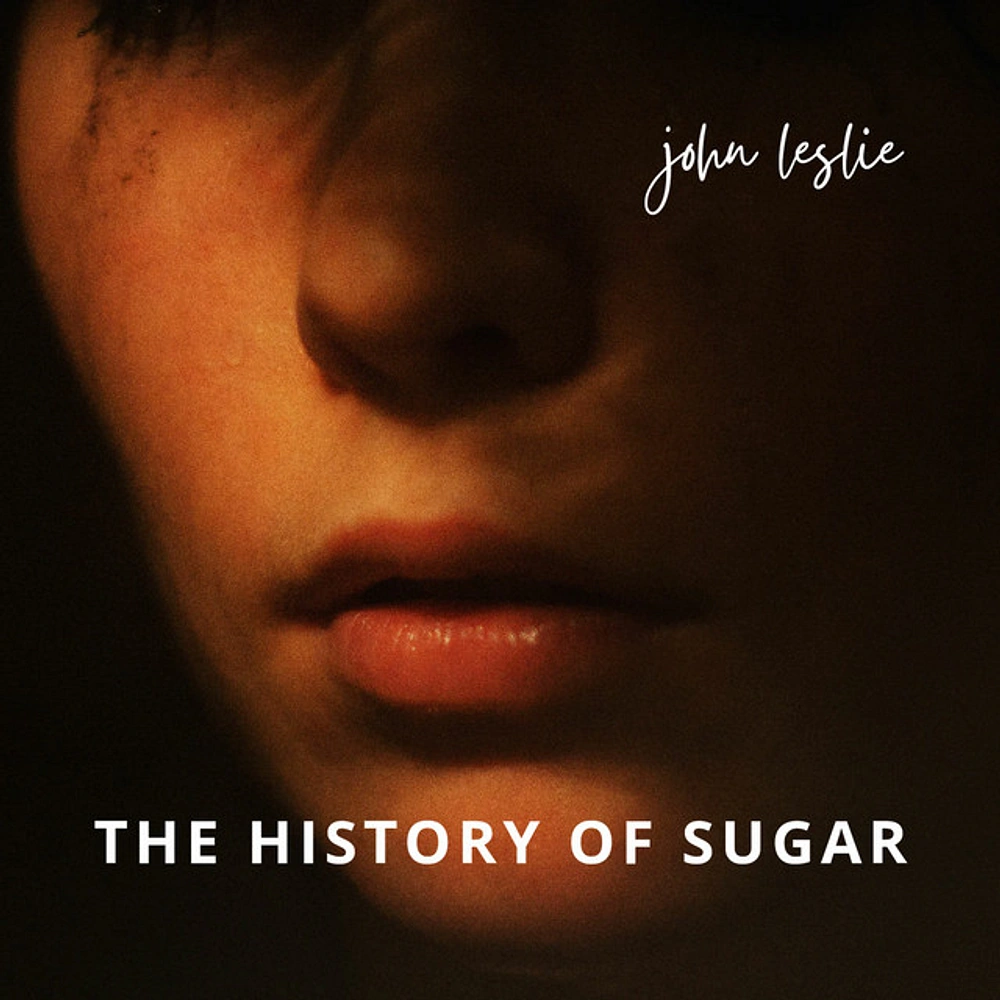
Most ballads state their case immediately. This one does not. The opening arpeggio sets out the harmony in a form so plain a listener could play it back after one pass. That is what makes the entrance of everything else register as an event.
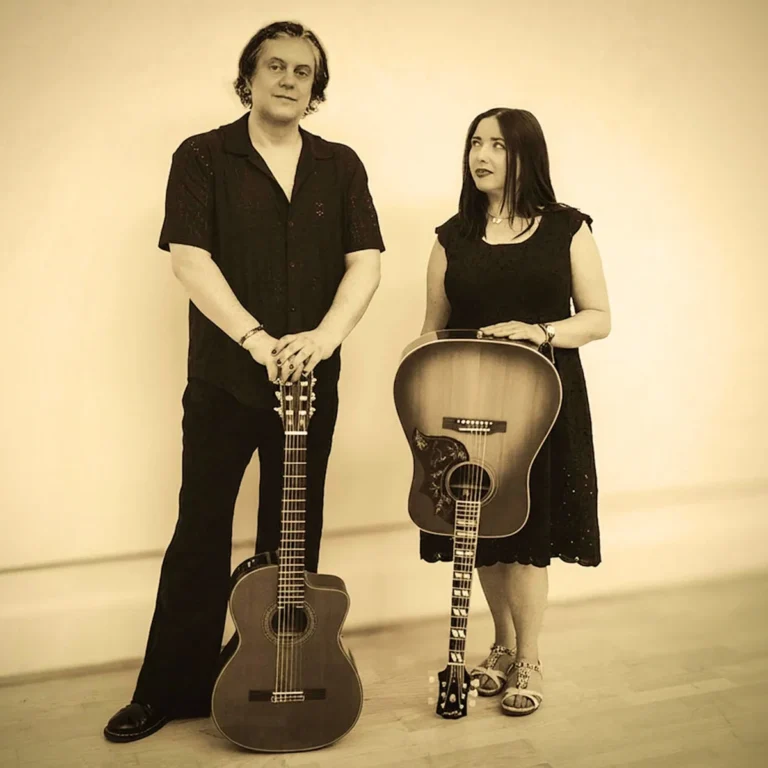
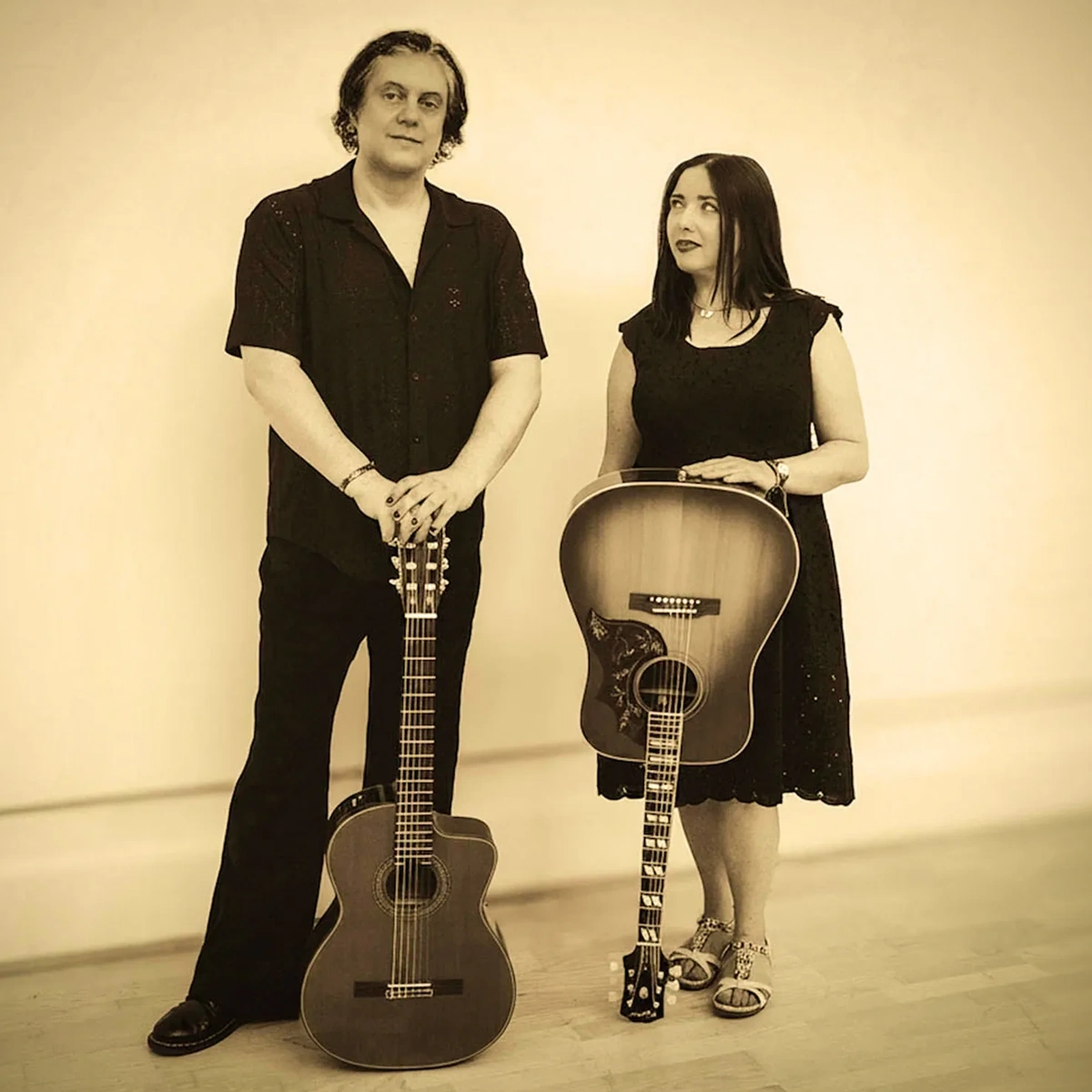
Leslie is an award-winning Australian singer and songwriter based in Brisbane. His catalogue has moved through dream pop, pop rock and gospel without settling anywhere for long. The History of Sugar weaves jazz harmony through Latin percussion and layered backing vocals, which is a further move again. He recorded it with Peter Koppes, the ARIA Hall of Fame inductee and long-serving guitarist of The Church. The single is credited to them both.
That collaboration explains the restraint. Koppes spent a career in a band whose signature was a guitar part that circles rather than announces. The opening figure here behaves the same way. It waits.

The Lyric, and the Choice to Keep It Audible
The words are the reason for the arrangement, and the mix says so. Every syllable sits forward of the ensemble, close enough that the consonants survive. Reviewers kept returning to it. Music Arena Gh noted that every word is perfectly audible. The pauses between phrases carry as much weight as the phrases themselves. That decision carries a cost. A vocal placed that far forward leaves nowhere to hide a weak line.
The lines hold. The song follows a meeting and the tenderness that came after it. Then the discovery that two people were not a match, and the decision to part without damage. Love, loss, forgiveness and moving on are the stated subjects. The sequence matters: the record ends on the fourth rather than dwelling on the second.
A second story runs underneath, and Leslie has been candid about it on his own pages. He changed his artist name and watched his listener numbers fall sharply in the confusion that followed. He made this record as the return. A song about parting cleanly and carrying on, from someone rebuilding an audience from a standing start. That is not a coincidence you need to strain to hear.

The Structure, and Where the Ensemble Enters
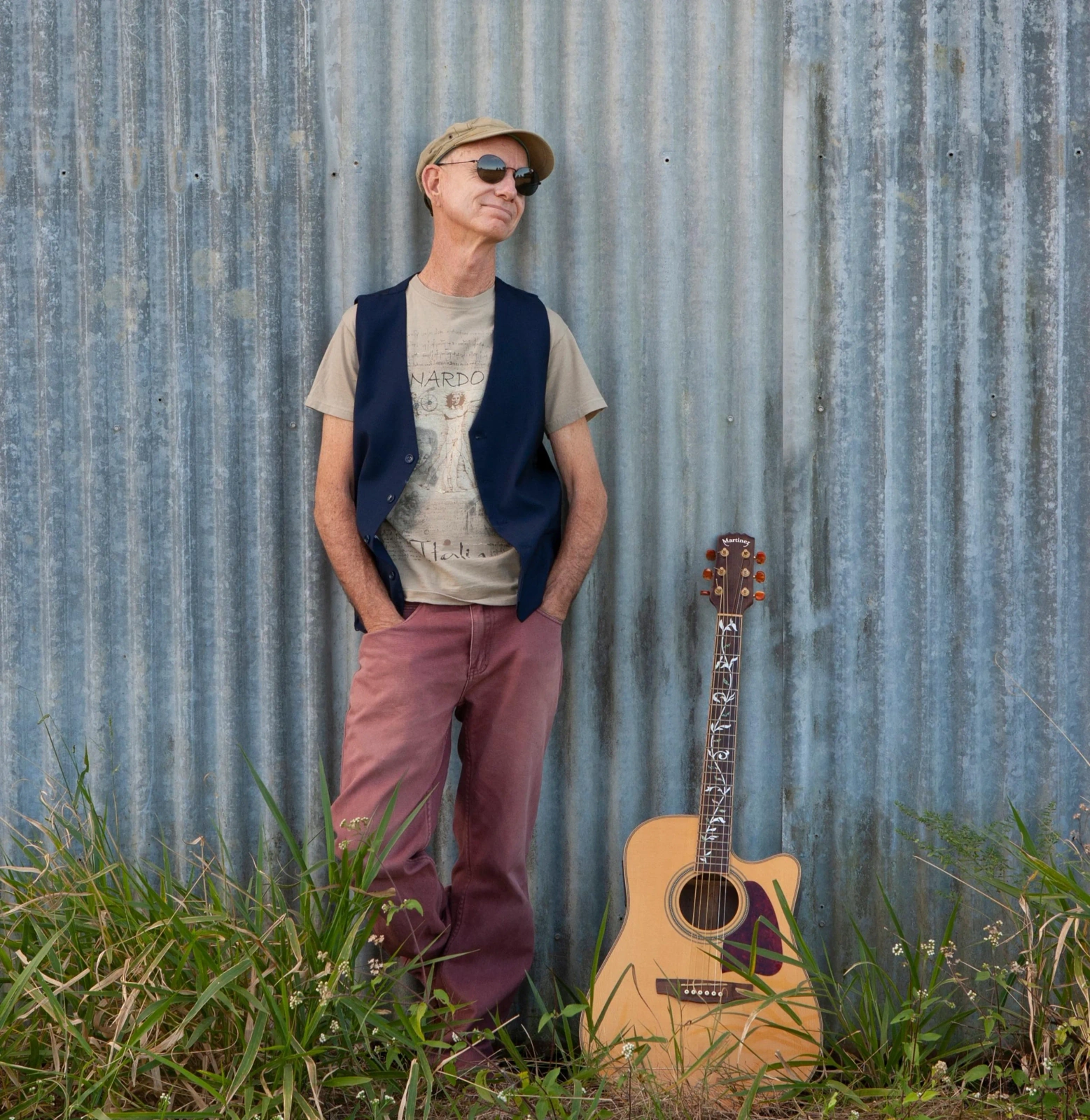
Listen for the order of arrivals, because the piece is built out of them. Guitar first, alone. Keyboard second, carrying a melodic idea that will not be sung. Voice third, in a calm register that stays conversational rather than declamatory. Percussion and electric guitar fourth. From there the arrangement thickens, until the chorus lands on a full ensemble. Artistionline tracked the same sequence bar by bar.
Nothing in that order is unusual on its own. What is unusual is the patience. Several lines pass before the band commits. A lesser version would have brought the percussion in at bar one, proving its Latin credentials early. Holding it back turns the groove into a reveal.
The Latin element, when it does arrive, is rhythmic rather than decorative. It sits under the jazz voicings instead of competing with them, and the layered harmonies float above both. Leslie’s voice stays warm and even across its range. The recording stays dry enough that you hear the performance rather than the room. That suits a lyric this direct.
AcousticMusic.News’s curator team: “The interesting thing on this record is how long it waits. A guitar arpeggio, then a keyboard, then a voice, and only then a band. Most producers would have opened with the percussion, because the Latin rhythm is the most immediately attractive thing here. Leslie and Koppes held it back and made it mean something when it arrived.”
Where to Hear The History of Sugar and Follow John Leslie
The single is on Spotify. The catalogue sits on the Spotify artist page, Apple Music, Deezer, SoundCloud and Bandcamp.
John Leslie posts to YouTube, Instagram, Facebook, TikTok and X.






About The Author