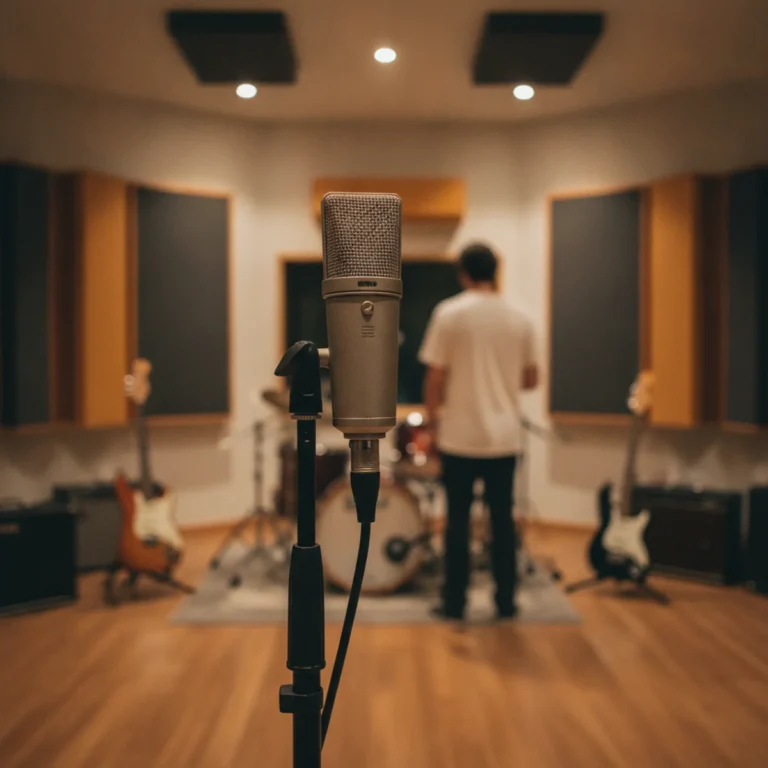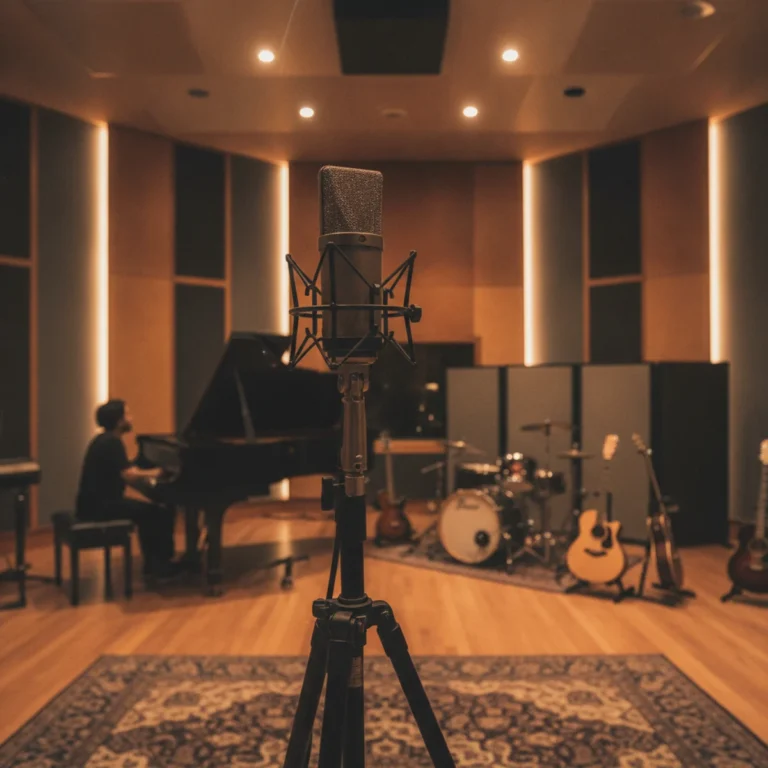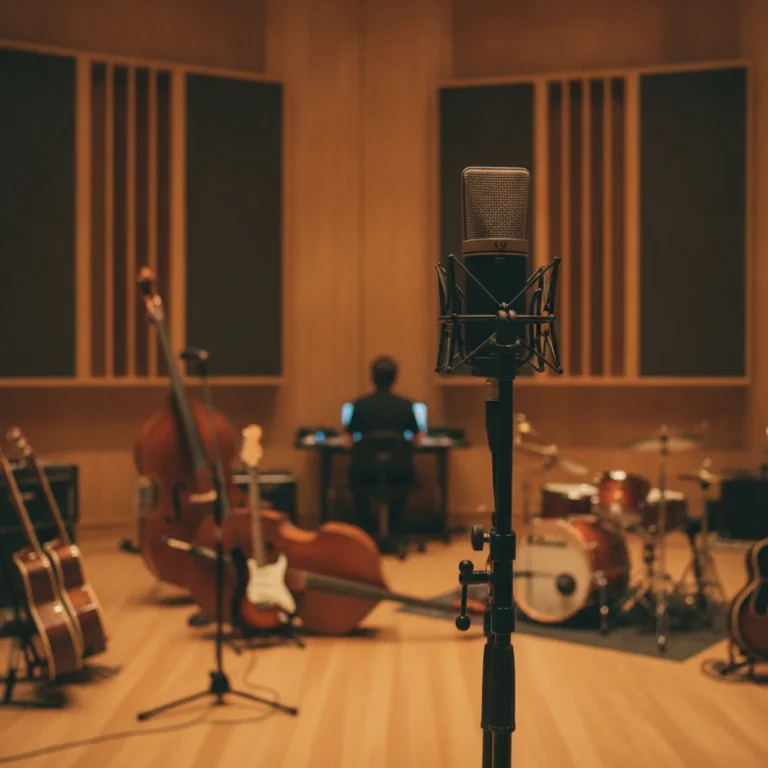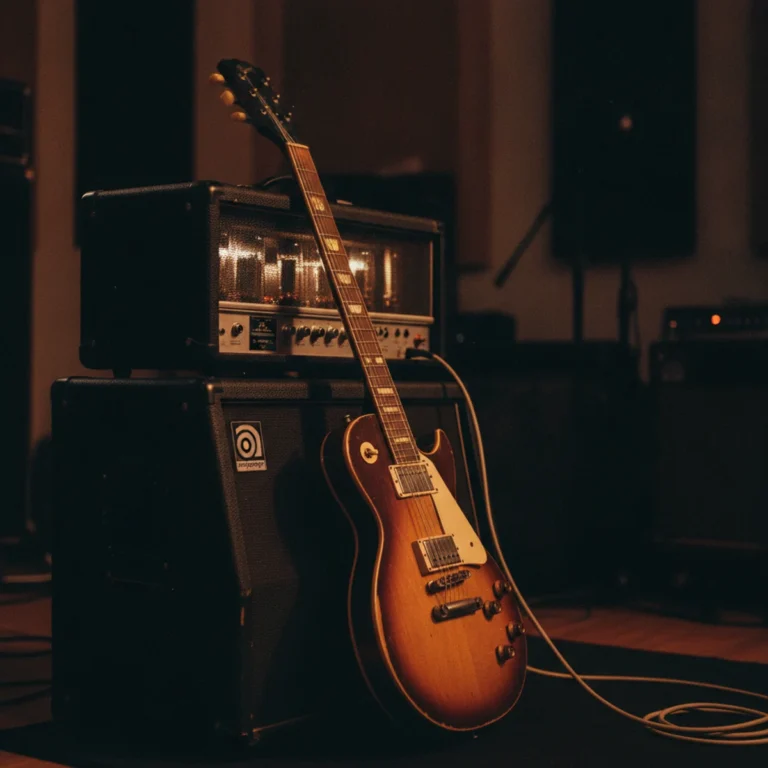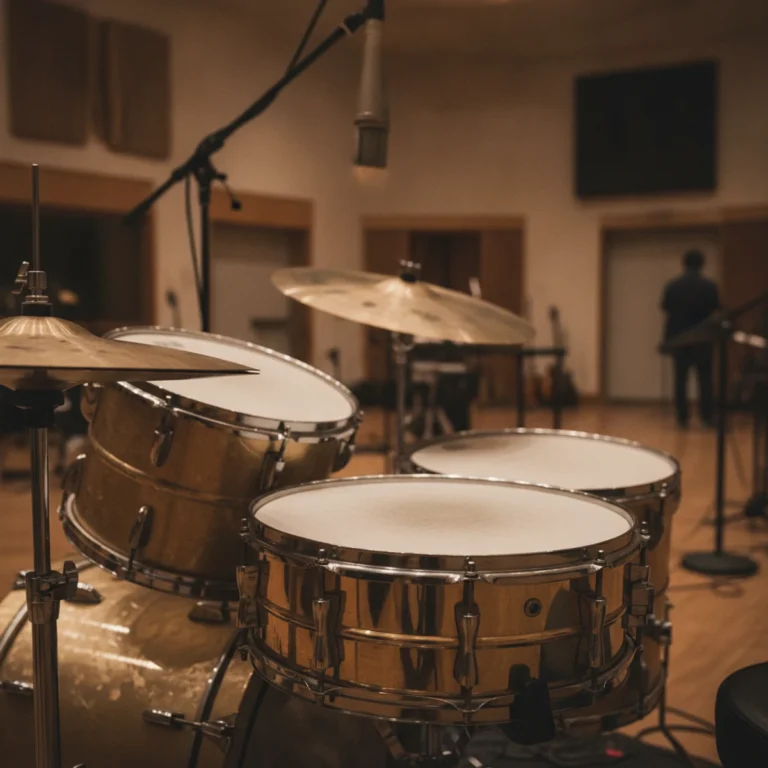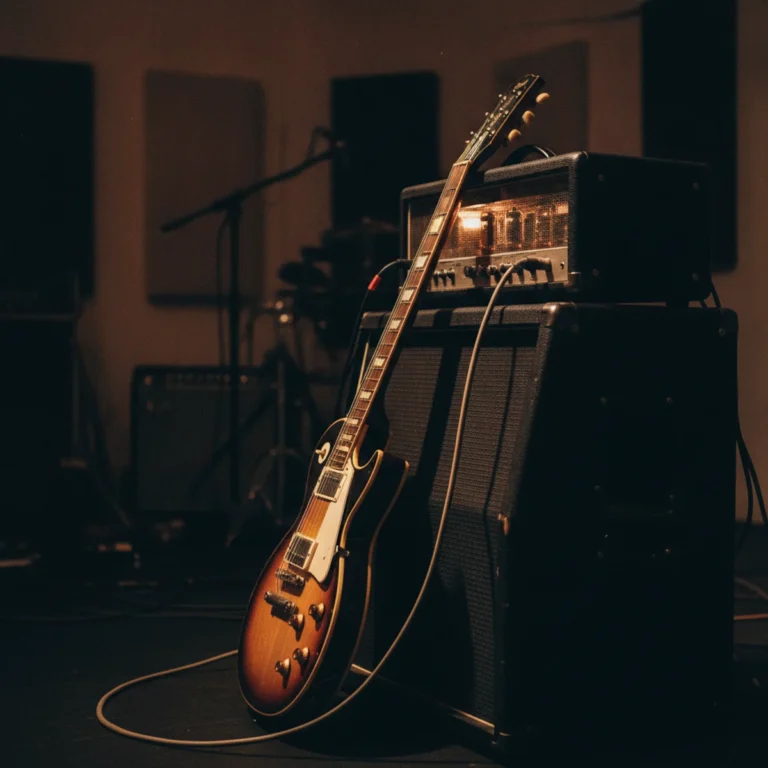

The microphone bleed everyone else tries to eliminate is the thing holding the recording together.
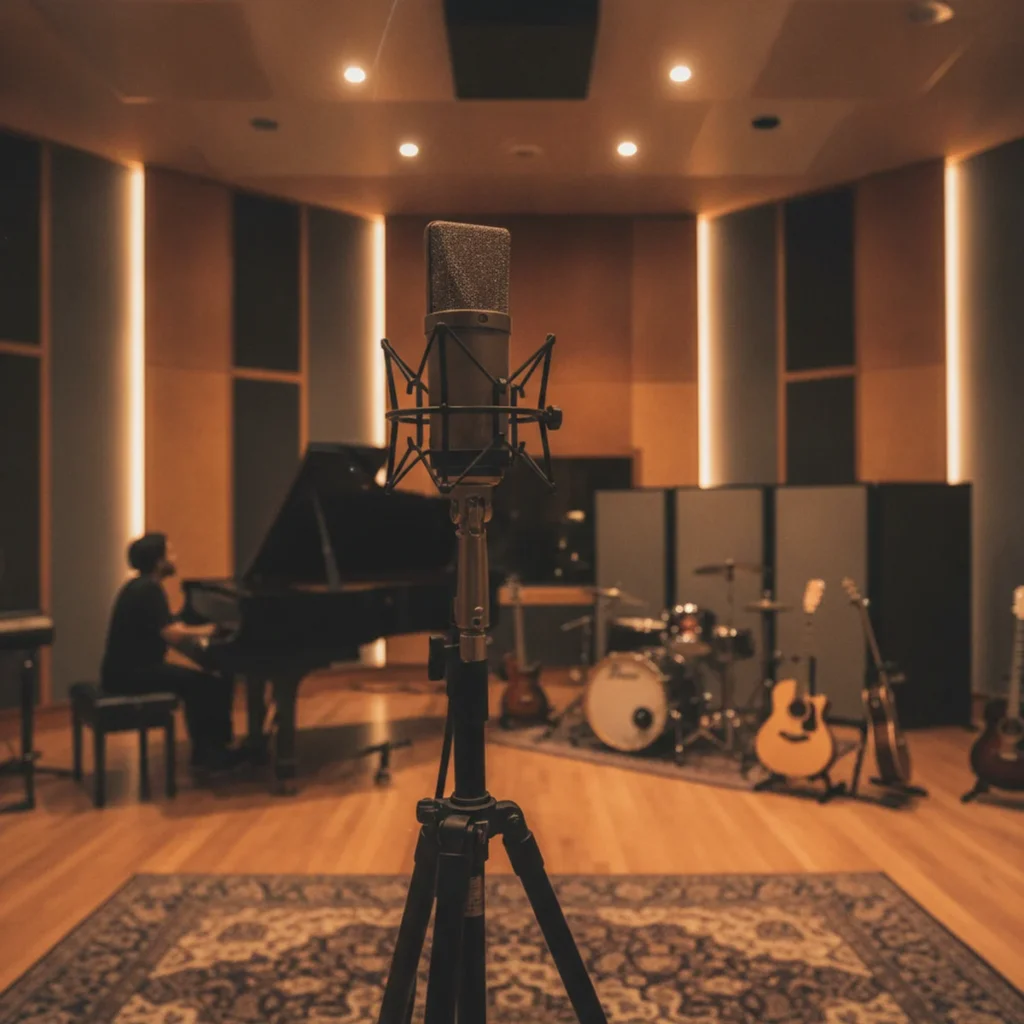
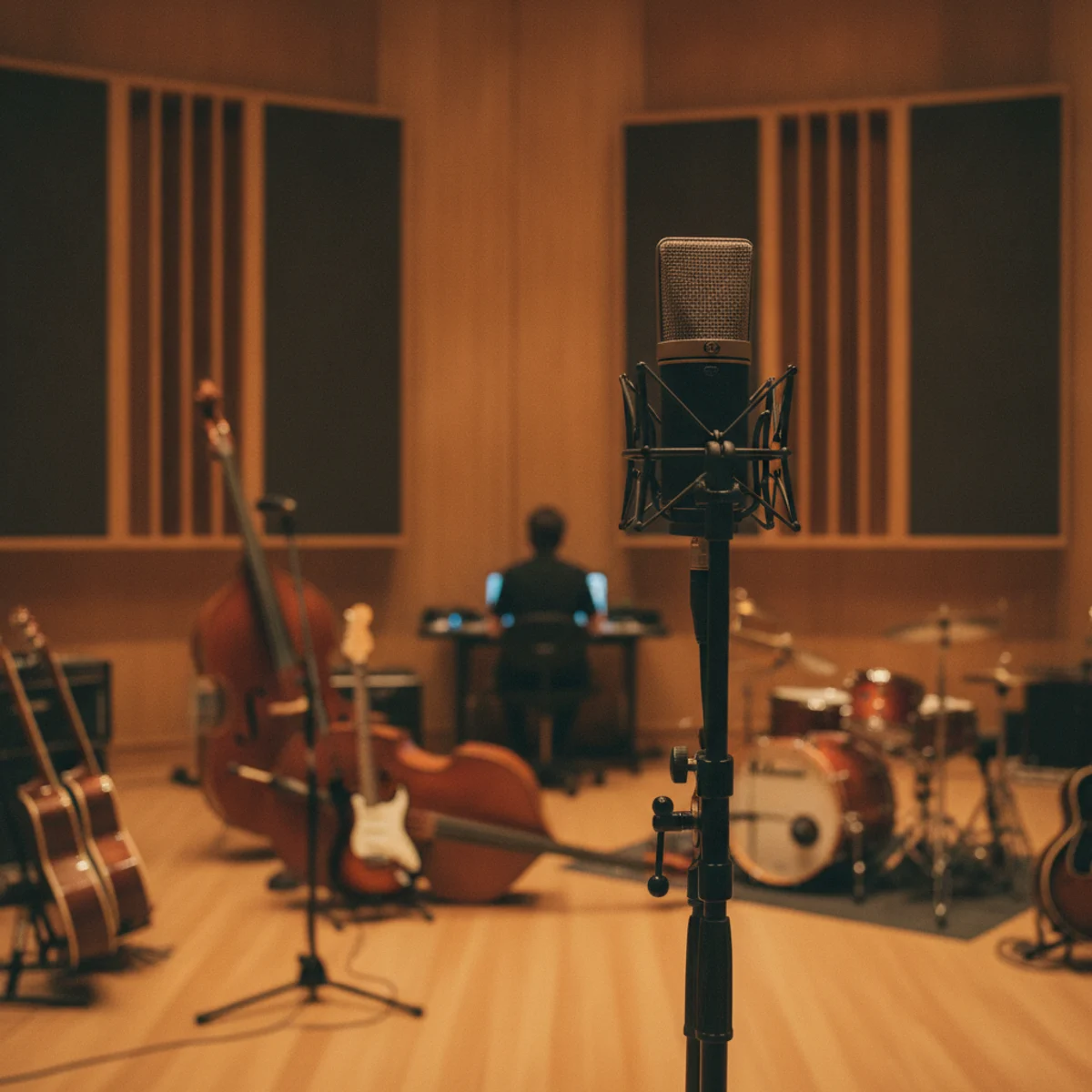
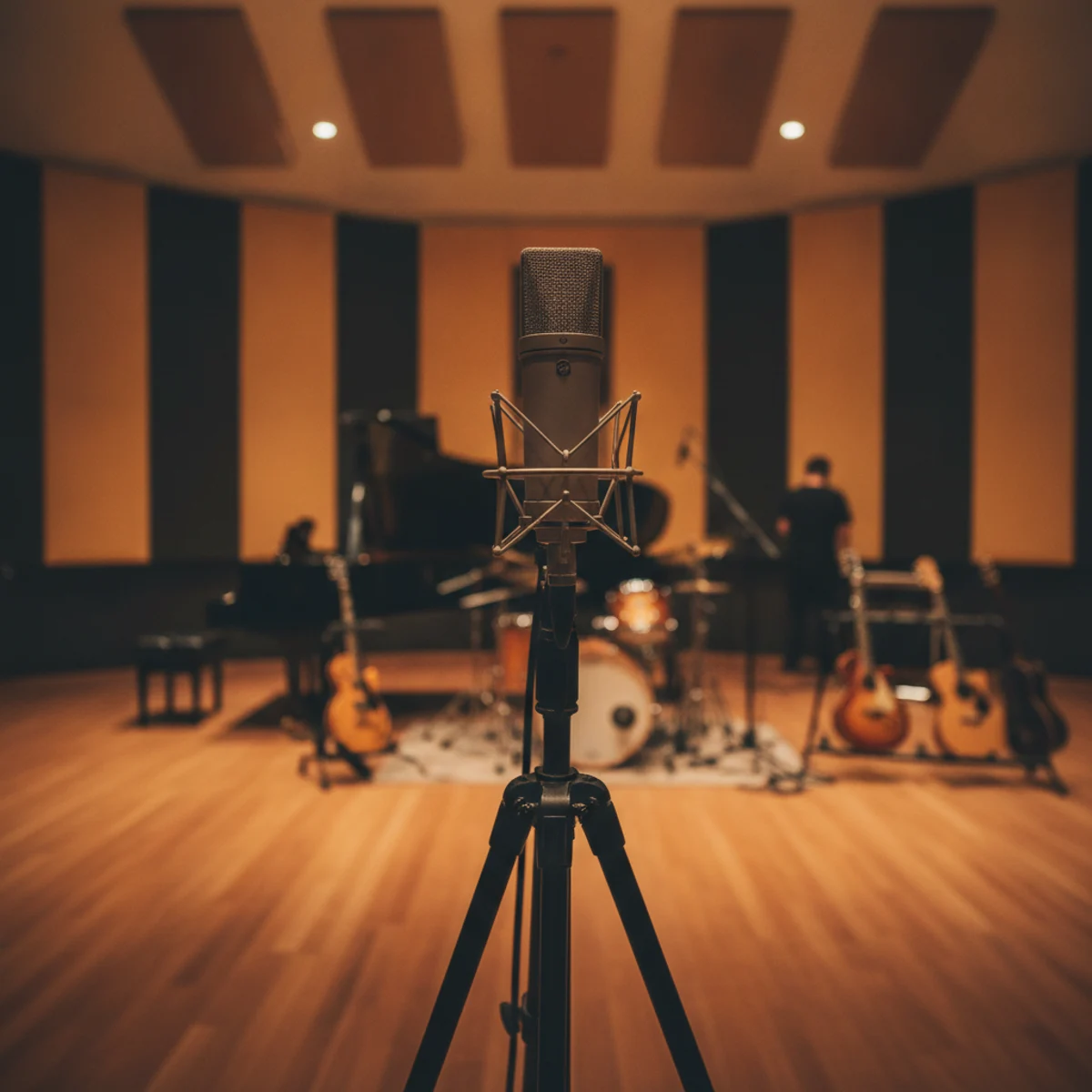
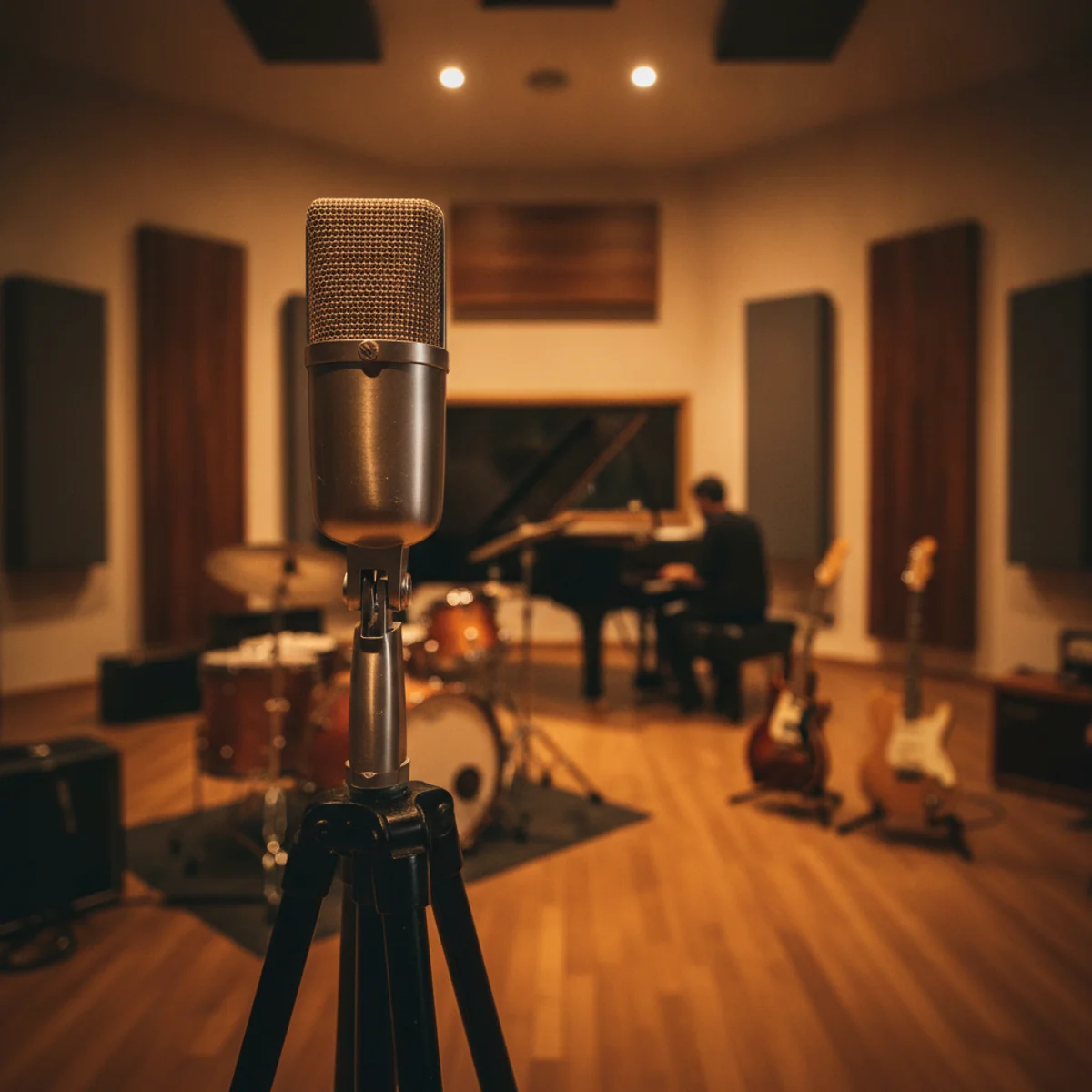
A jazz trio recorded in one room with everyone audible in everyone else’s microphones is doing something a separated session cannot reproduce.
You can listen to our full playlist which contains the artist’s music, and know more about the artist’s work by scrolling down the page.

PLAYLIST
Bleed Is Information, Not Contamination
In a separated session, each instrument is isolated so that each microphone captures only its intended source. In a live jazz session in one room, every microphone captures a version of everything. The piano microphone hears the drums, the bass microphone hears the piano, and the overheads hear the entire trio.
The standard framing treats this as a problem to be minimised, because it removes the ability to change one instrument’s level or tone in isolation later. That is accurate as far as it goes. What it misses is that the bleed is also a continuous record of the ensemble as a physical arrangement.
Every microphone is picking up the same event from a slightly different position in the room. Summed together, those perspectives describe a real three-dimensional layout, which is why a well-recorded live trio has a spatial solidity that a stacked one rarely achieves.
Playing Together Changes the Performance
The musical argument is stronger than the technical one. A jazz trio is an interactive form. The drummer responds to a pianist’s phrase within a fraction of a beat, and the bassist adjusts note lengths to what the drummer just did.
Those adjustments happen at a timescale below conscious decision. They require hearing each other in the room, with no latency and no headphone mix standing in the way. Remove that and you still get three competent performances, but you lose the responsiveness that distinguishes the form.
Musicians describe this in terms of feel, which sounds vague, but the underlying mechanism is concrete. Micro-timing relationships between players carry a large part of what listeners perceive as swing, and those relationships only form when the players are genuinely reacting to one another.

Leakage Sets the Balance Before You Touch a Fader
When everything leaks into everything, the mix balance is largely determined in the room by where people sit and how hard they play. That sounds like a loss of control and it is, but it front-loads the decisions to a point where they can be made musically.
If the piano is too loud relative to the bass, the fix is to move the piano, close its lid partially, or ask for less. The players are involved in the balance, which is closer to how the music works in performance anyway.
By the time you reach the mix, the important proportions are already set. That is why live jazz sessions often mix quickly. There is far less to decide, because most of the deciding happened in the room with the musicians present.
The Techniques That Make Bleed Behave
Working with leakage rather than against it has a small set of reliable methods. The first is the three-to-one guideline: if two microphones are capturing different sources, the distance between the microphones should be roughly three times the distance from each microphone to its source. That keeps the leaked signal far enough down to avoid audible comb filtering.
The second is polar pattern discipline. A cardioid microphone rejects sound arriving from behind it, so the null can be aimed at the loudest unwanted source rather than simply pointing the front at the wanted one. Aiming the null is often more effective than aiming the capsule.
The third is physical: baffles, lids, blankets and distance. None of this is about achieving isolation, which is not available. It is about making the leakage arrive with a sensible delay and from a sensible direction so that it reinforces rather than smears.

Where It Genuinely Costs You
Being honest about the trade is important, because the approach is not free. If a take has one excellent solo and one weak passage elsewhere, you cannot fix the weak instrument without the repair being audible in every other microphone. Punching in is severely limited.
You also cannot substantially reshape the balance afterwards. If the ride cymbal is louder than you want across the whole record, that is now a property of the recording. Equalisation can reduce it a little, but it is in every channel and cannot be removed.
That is why this method suits musicians who can deliver complete takes and does not suit sessions built out of fragments. It is a bet on the performance, and the bet only pays when the performance is genuinely good.
Why the Sound Is Difficult to Imitate
Recordings made this way have a characteristic quality that engineers try to reproduce with room microphones and artificial ambience on separated sessions. The imitation gets close on tone and rarely gets close on cohesion.
The reason is that in a real one-room session, every element shares a single acoustic event. The reverb tail on the piano is the same tail as the one on the bass, generated at the same moment by the same walls. Nothing has to be matched because nothing was ever separate.
That shared-space coherence is the actual product. It is why the classic trio records still sound like three people in a room rather than three signals in a mix, and why the method survives despite being much less flexible than the alternative.


About The Author