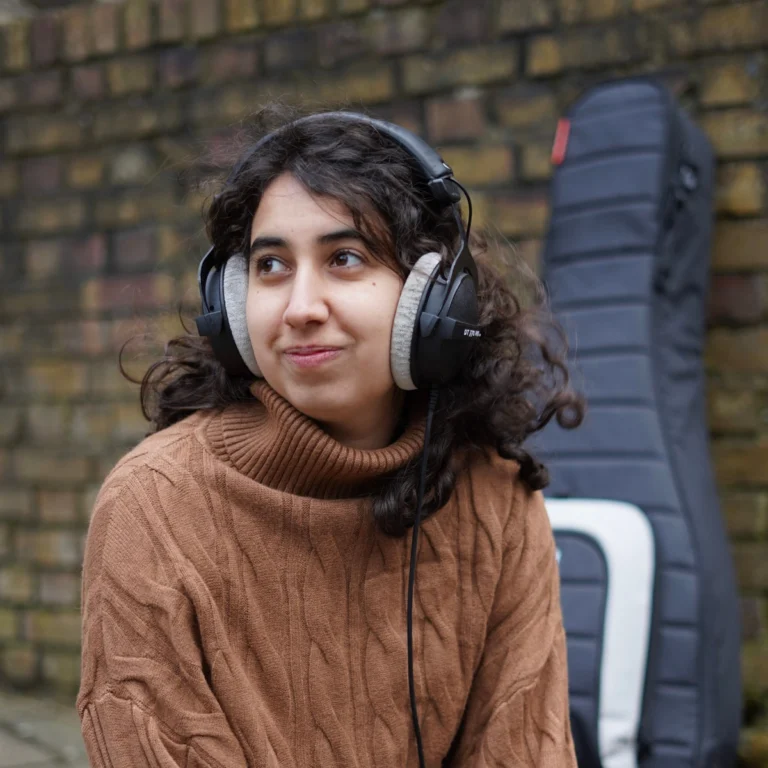
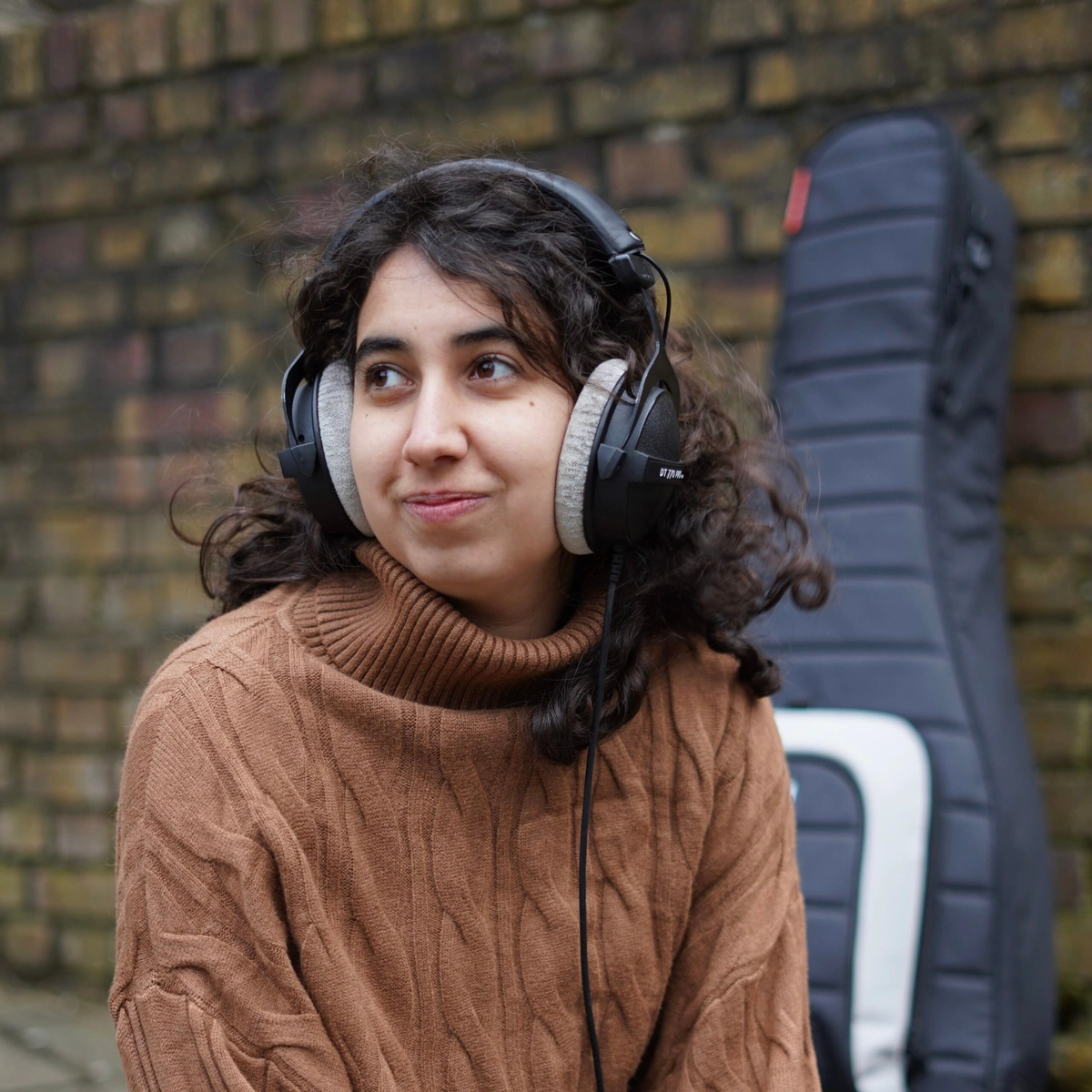
Victòria Vilalta: Mumbling and the Room Built for a Thought She Could Not Stop
How Victòria Vilalta Gave Mumbling a Wordless Chorus and a Long Reverb Tail
Victòria Vilalta gave Mumbling a chorus with no lyric in it. Where a song of this shape would normally arrive at its title and say it, she stacked vocal harmonies singing nothing but mmm, then opened the reverb until the sound carried a room far larger than the one she recorded it in. That decision is the record.
Victòria Vilalta’s music is in the playlist below, and the full run of coverage sits on the Victòria Vilalta profile. Mumbling reached this desk through PopHits.Co Music Charts, which verifies independent artists and places their releases across its network of music news desks. Press play, then read on.

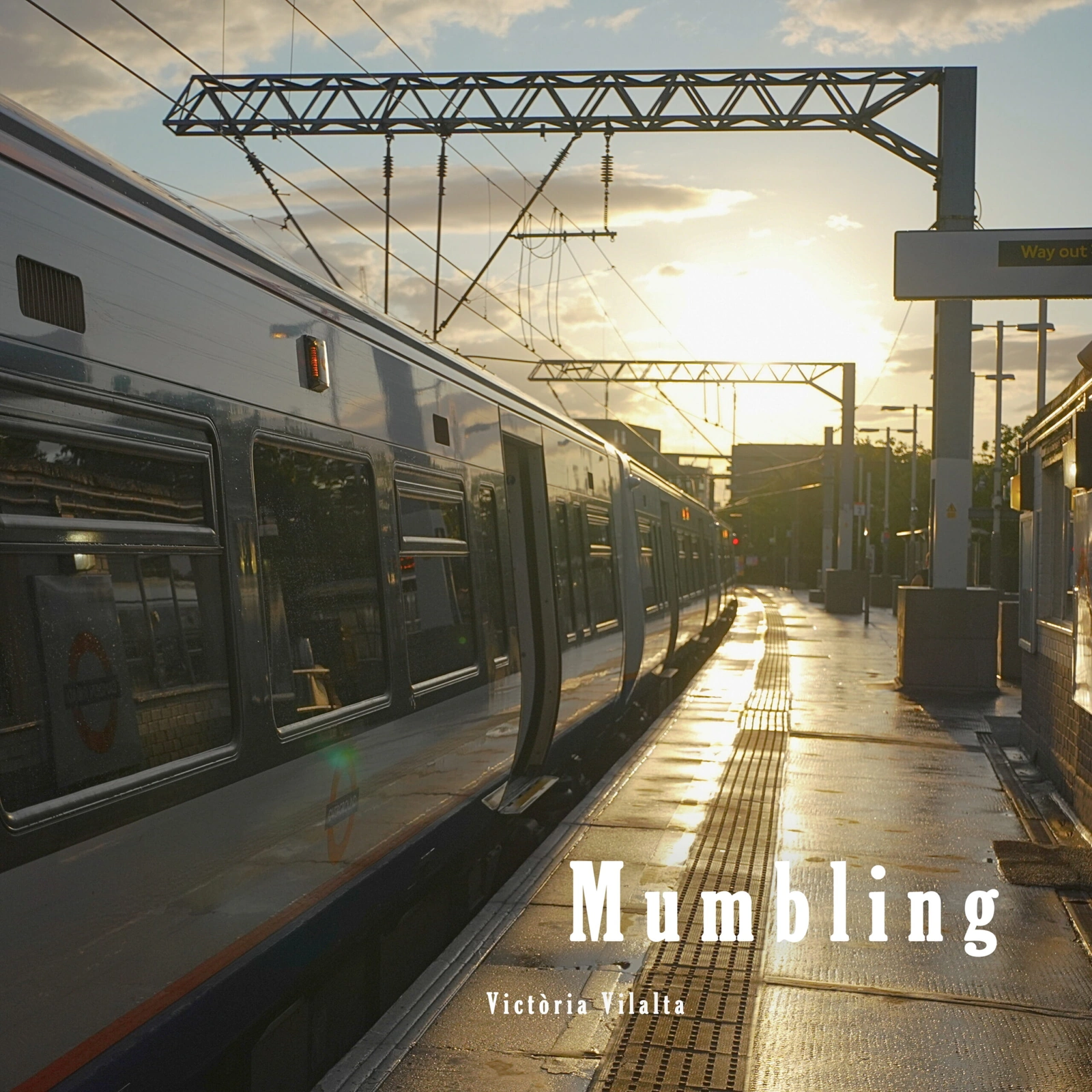
What Victòria Vilalta Asked the Microphone to Hold on Mumbling
Mumbling arrived on 7 February 2025. It was the first single from a debut album that landed nine months later, and it followed a two-year gap after her EP Regalar.
The distance between those two records is a studio. She made Regalar at home, alone, during the pandemic, on her own equipment. Mumbling came out of the professional rooms at the Institute of Contemporary Music Performance in London, where she was studying at the time. There were big desks and high-quality microphones, as she has described it, and other musicians in the building. Vic Phillips played the drums.
She still calls the album self-produced. The distinction she draws is not that she handed the work over, but that she stopped doing all of it alone.
That matters, because the central problem of the track is one a bedroom setup cannot solve. A song about recurrent thought needs a sound for the thoughts. The sound she chose is a crowd of her own voice with no words in it.
A Chorus Made of the Thing It Describes
Most songs about anxiety describe it. This one reproduces it.
Vilalta has explained that mumbling, to her, is the constant noise of recurrent thought. She wanted the chorus to picture the whispering of ideas in the brain, so the harmonies sing mmm rather than a line.
The reverb does the structural work. Dry, those harmonies would sit in a booth and read as a backing part. Wet, with the decay stretched out, they become an environment the lead vocal stands inside. That is a fair description of what the lyric complains about.
It is a straightforward production idea, and she executes it with restraint. She does not layer the effect on at the mix to add scale. Instead it is there because the song’s subject has no words and needed a shape.

The Afternoon Victòria Vilalta Wrote Mumbling
The writing was faster than the recording by a wide margin.
Vilalta has said the process was sudden. She had a headache, picked up the guitar, and the melody and the second verse arrived together: Running up late, feeling that I’m mistaken, can’t really figure why. By the end of that afternoon she had the whole thing down. Elsewhere she has described playing guitar as something she does when her head hurts, which makes the origin story less an anecdote than a method.
The lyric treats the brain as a separate party to the conversation. Reviewing the single, Rising Artists Blog picked out the lines where it seems to be never on my side and never runs out of mumbling. The reviewer read that as the view from inside anxious thought, where the mind acts on you rather than the other way round.
That reading carries a biographical footnote. Vilalta took a psychology degree in Barcelona before the music one, and her postgraduate research covered cognition and behaviour. She told RGM that she is interested in the study of emotions, and that the interest surfaces in her songs. Mumbling is not a case study. But it comes from someone who has spent real time on the subject in a different building.

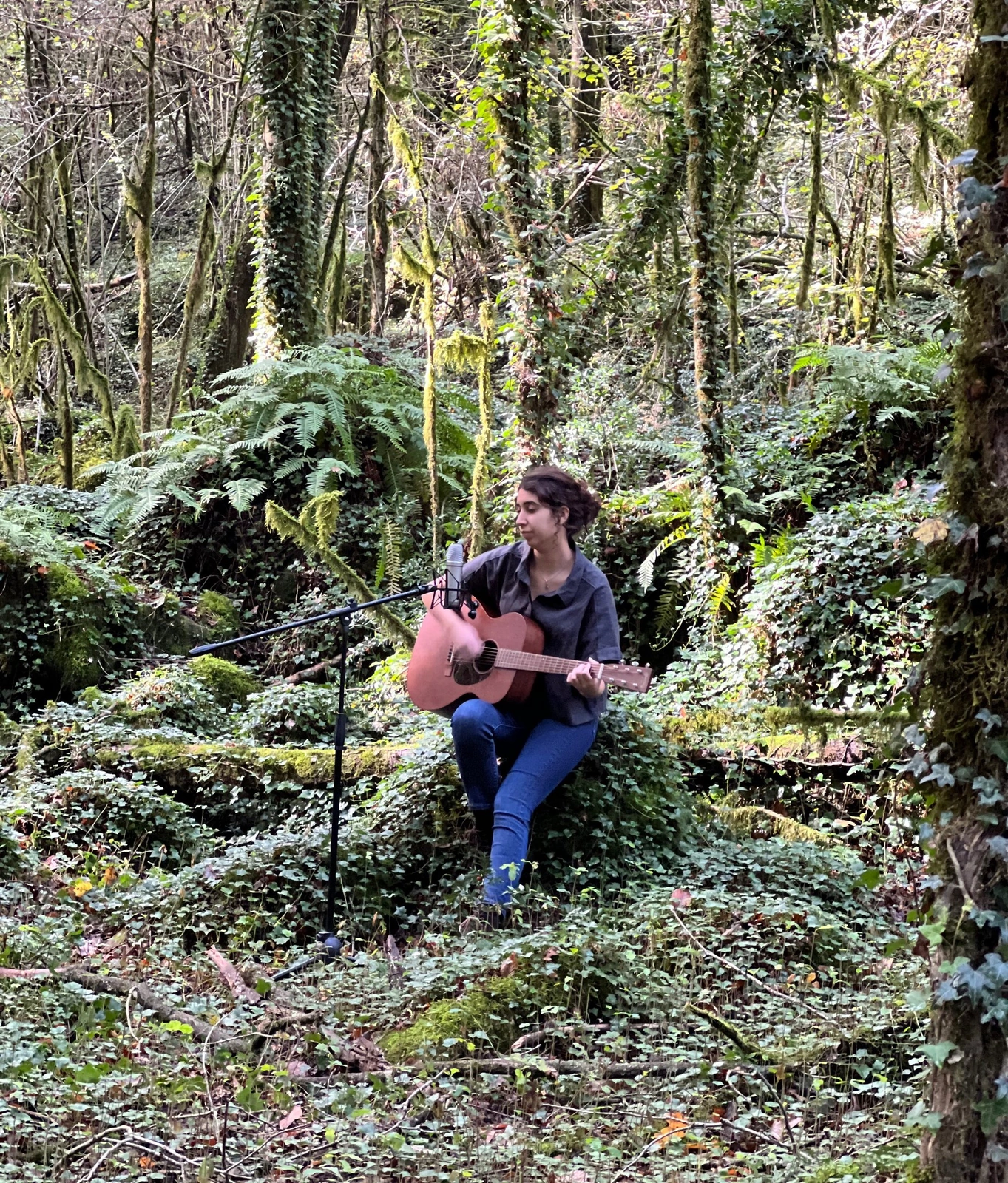
Where the Arrangement Puts the Pressure
Strip a song down to voice, guitar and light kit, and every addition afterwards becomes an event. Mumbling uses that.
Rising Artists Blog described the opening as understated plucked acoustic guitar with light drumming: close, quiet, with little between the listener and the performance. By the second verse the drums push harder and the guitar moves from picking to strumming. That lands exactly where the lyric tightens. The arrangement escalates at the point the thinking does, and nothing announces itself. The density simply increases.
Lock Magazine heard the same record from the other end. It called the track a warm and inviting listen, with a soaring vocal performance layered across an acoustic-led production. Both readings hold. The song is gentle on the surface and tense underneath, and it manages both because she never abandons the acoustic material. The processing sits on top of a performance that would still work without it.
That is the opposite of the approach this desk heard on a close-miked recording by Rayguncarver, where the room is held tight rather than opened out. Either choice is defensible. Each one commits the song to a different kind of attention.
From the AcousticMusic.News curator team: “The clever part of Mumbling is that the production argument and the lyrical one are the same argument. A wordless chorus with a long decay is not decoration on a song about intrusive thought. It is the song about intrusive thought. Vilalta had the sense to keep the guitar small underneath it.”
The Album Mumbling Opened for Victòria Vilalta
The single was also a thesis statement, and that is not a figure of speech.
Vilalta’s production work fed into her master’s dissertation at the Institute of Contemporary Music Performance. She described the subject to Cage Riot as “acoustic against processed sounds and how they are related to the song identity”. The album she built from it travels that range deliberately, moving from more acoustic to more processed across the running order. Mumbling sits near the acoustic end and shows the first sign of the drift. Out Loud Thoughts, nine tracks, arrived on 14 November 2025.
She names her bearings without ceremony. There is the Barcelona trio Stay Homas, the songwriter Amy Allen, and Alex James Ellison, a childhood influence whose London stage she later played herself.
Vilalta comes from Olot, in Catalonia, and now lives in London. She trained on classical piano from the age of six, sang in a choir from twelve, taught herself guitar, and posted her first YouTube cover at sixteen. Live, she reduces the material to its origins: voice, guitar and piano, nothing else. For a record that spends its studio budget on space, that makes a useful test.
Where to Hear Mumbling by Victòria Vilalta
Mumbling is on Spotify, SoundCloud and Bandcamp, and the official video sits on YouTube. Her catalogue, including Out Loud Thoughts, is on Apple Music.
Follow Victòria Vilalta on Instagram, TikTok, Facebook and LinkedIn, subscribe to her YouTube channel, and read more at her official site.





About The Author