Historically informed performance changed tuning, tension and articulation together.
Period-instrument performance is often reduced to a question of using old instruments. The more consequential change was tuning them lower.
You can listen to our full playlist which contains the artist’s music, and know more about the artist’s work by scrolling down the page.

PLAYLIST
The Instruments Were the Visible Change
Historically informed performance is usually introduced through its instruments: gut strings instead of steel, valveless brass, wooden flutes, harpsichords in place of pianos, and bows of a different shape and balance.
Those changes are real and audible. Gut strings speak differently, with a softer attack and a quicker decay than steel. Valveless horns produce a range of notes with genuinely different colours rather than a uniform scale. Period bows encourage articulation that modern bows resist.
But treating the movement as fundamentally about old instruments understates it, and it obscures the change that reorganised everything else. The instruments were the most visible difference, not the most consequential one.
Lowering the Pitch Changed the Instruments
The more far-reaching decision was to tune lower. Modern orchestras generally tune around A equals 440 hertz or slightly above; period ensembles commonly work substantially lower, with 415 widely used for baroque repertoire.
That is roughly a semitone down, and it is not a cosmetic adjustment. Lower pitch means lower string tension for the same instrument, and string tension governs how an instrument responds to the player almost as much as the strings themselves do.
At reduced tension a string speaks more readily, decays faster and produces a different harmonic balance. The instrument becomes lighter and quicker under the bow, which changes what kind of playing it rewards.
Gut strings also behave differently across a session. They are more sensitive to humidity and temperature than steel, they stretch, and tuning stability is a continuous concern rather than a setup step.

Tension, Articulation and Tempo Are Connected
Once tension drops, articulation follows. A string under less tension responds to a lighter, faster stroke, which makes detached and shaped bowing natural and makes sustained heavy pressure counterproductive.
That in turn affects tempo. Music articulated in short, clearly separated gestures can move faster without becoming indistinct, because each note clears before the next arrives. A great deal of the brisk tempi associated with period performance follows from this rather than from a scholarly decision about speed.
So a single change to tuning propagates outward into bowing, phrasing, tempo and ensemble balance. The parts are not independent choices; they are consequences of each other, which is why the style is coherent rather than a collection of mannerisms.
Pitch Was Never Standard Anyway
The historical justification is straightforward: there was no single pitch standard before the modern era. Pitch varied by city, by institution, by decade and by whether an organ was involved, since organs were expensive and fixed.
Surviving instruments and organ pipes indicate a wide range, in some places considerably below modern pitch and in others above it. Choosing 415 for baroque work is a practical convention adopted to allow ensembles to play together, not a claim that Bach’s orchestra tuned there.
That distinction matters, because the movement is often criticised for asserting a false certainty about historical practice. Most of its practitioners make a weaker and more defensible claim: that this range of choices produces results closer to what the music was written for.
Ornamentation practice is the element with the least documentary evidence and the most interpretive latitude. Treatises disagree, notation is sparse, and performers make defensible choices that differ substantially from each other.

What It Does to a Recording
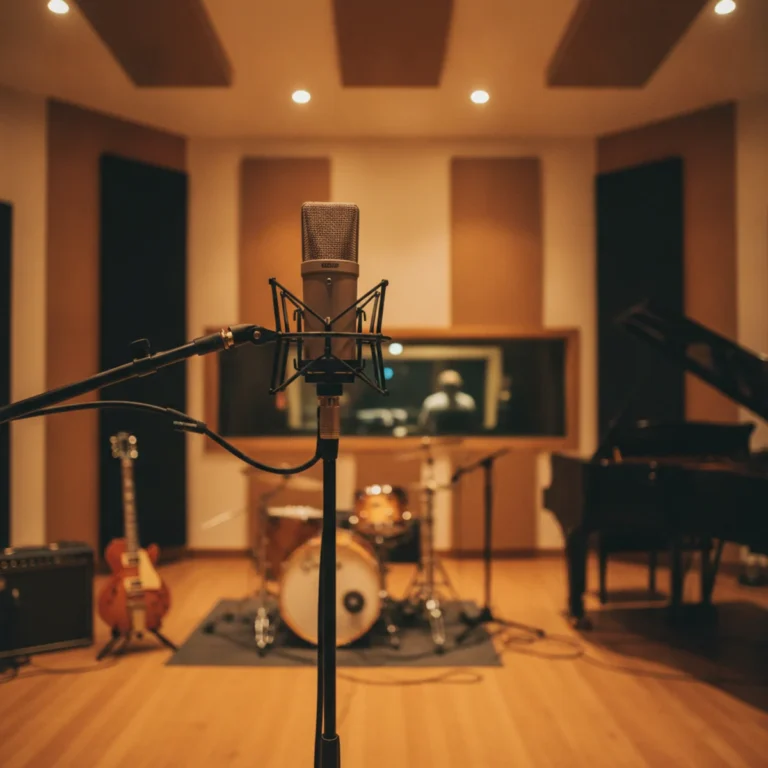
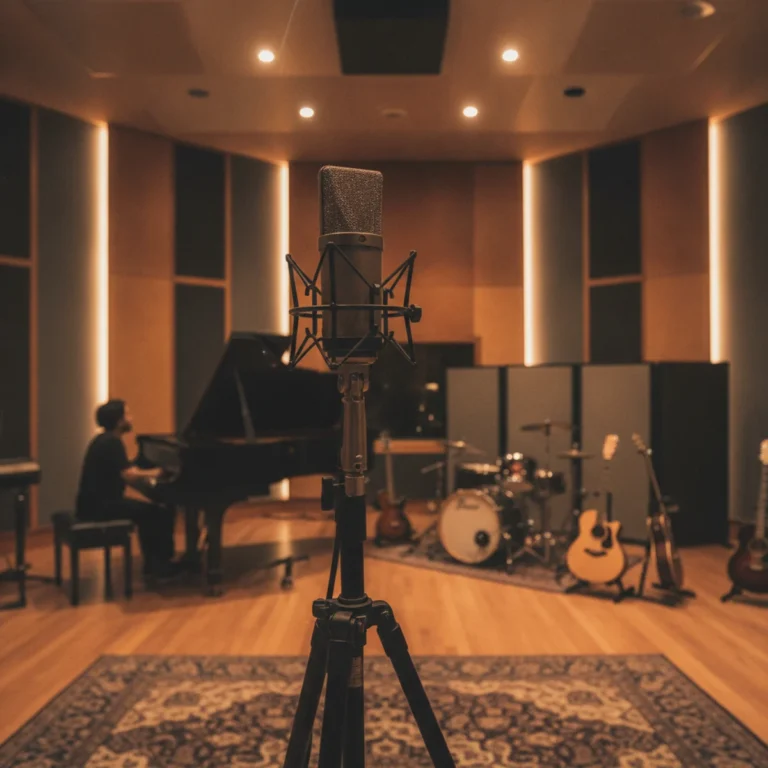
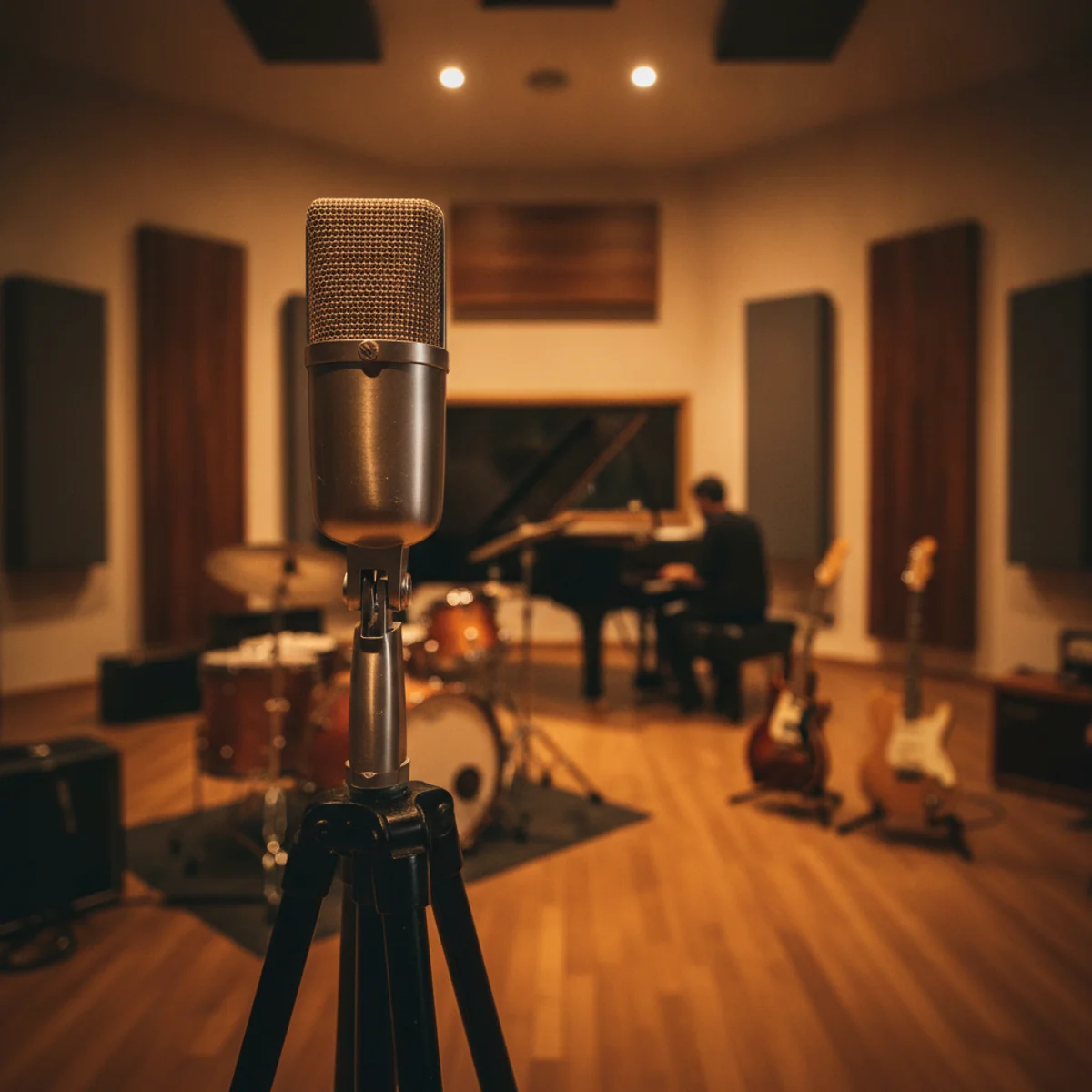
For anyone recording this repertoire the practical implications are immediate. Period ensembles are quieter, with less sustained power and more transient detail, so microphone distance that suits a modern orchestra will often sound thin and remote.
The faster decay of gut strings means the room contributes proportionally more, which makes the choice of venue even more consequential than usual. A dry space that flatters a modern string section can leave a period band sounding brittle.
Balance within the ensemble also differs, since the relative loudness of instruments is not the same as in their modern equivalents. Assumptions carried over from standard orchestral technique tend to produce recordings that fight the ensemble rather than capture it.
A Body of Practice, Not a Costume
The lasting significance of the movement is that it demonstrated how much of what listeners took to be the music was actually a set of nineteenth-century performance conventions applied to earlier material.
Removing those conventions produced results that were startling at first and have since become normal, to the point where mainstream orchestras now routinely adopt period-influenced articulation and tempo even when playing modern instruments at modern pitch.
That absorption into standard practice is the strongest evidence that the change was substantive. A costume would have remained a specialism. A body of practice that alters how everyone plays the repertoire is something else.
Ensemble size is part of the same reconsideration. Performing this repertoire with the forces the composer would have had produces a transparency that a large modern ensemble cannot, independently of instruments or pitch.



About The Author