Mars by Maëla Raoult: What the Microphone Hears When a Clarinet Carries the Song
A Breton Clarinettist and Conductor Now Based in Belgium Lets Her Instrument Do the Singing
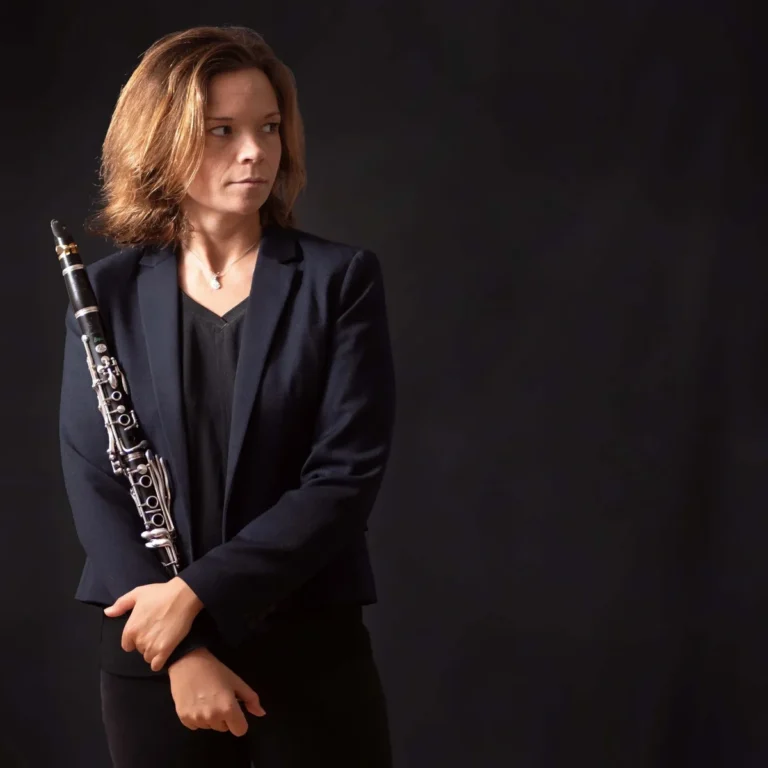
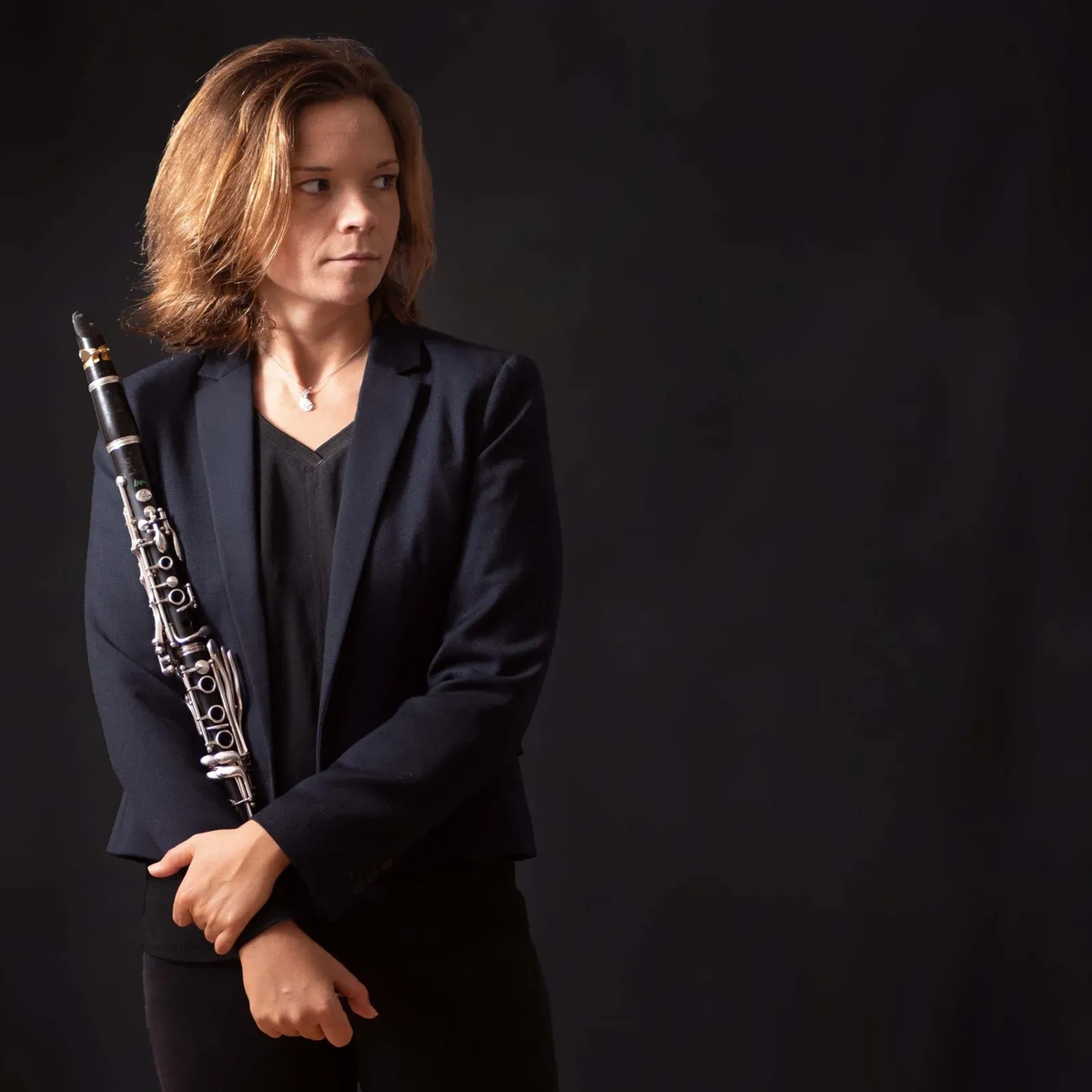
The clarinet enters Mars as if it were the vocalist, and in a sense it is. Maëla Raoult released Mars, a four-minute instrumental single, on 4 September 2026 on Azkaban Records. A clarinettist, conductor and producer from Brittany, she is now based in Belgium. There are no words on the track, yet it still has a story to tell.
Maëla Raoult’s Mars is in the playlist below, among the contemporary jazz and nu-jazz this desk follows. Her full coverage is gathered on her artist profile. The single came to AcousticMusic.News through PopHits.Co Music Charts, which verifies independent artists and places their releases across its network of music news desks. Start it playing and keep reading.

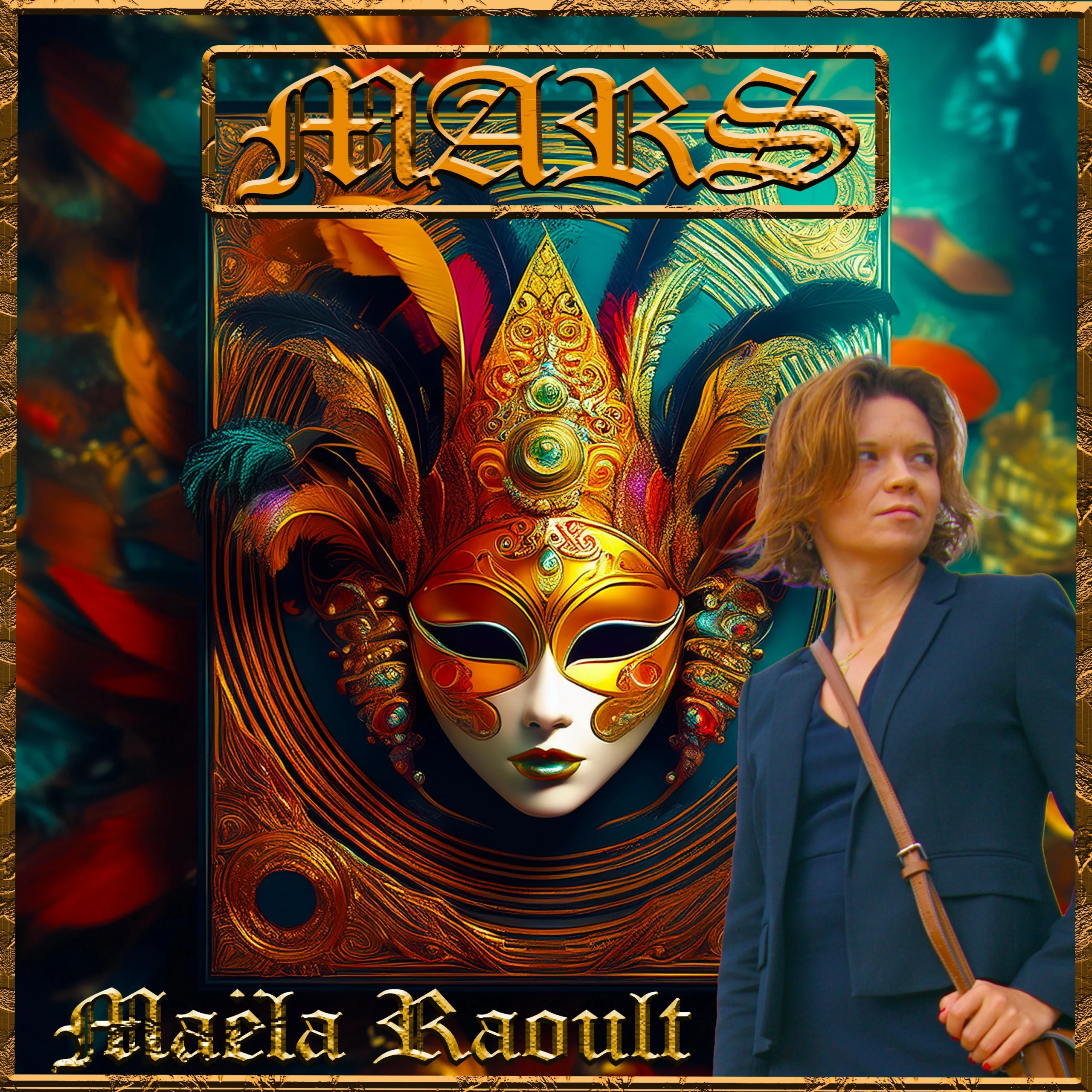
The Hook of Mars, Where Maëla Raoult Sets Her Clarinet Against a Percussion Heartbeat
Start with the hook, because in an instrumental it has to do double duty. Here it is the meeting of clarinet and percussion: a woodwind line set against rhythmic patterns that invite the listener to move. The percussion works as the heartbeat of the piece and gives it its groove. Meanwhile, the clarinet decides where the melody goes next.
The track is meant to be danced to. Raoult frames it as a return to childhood play, with traditional influences reaching towards the Middle East and modern, patterned rhythms underneath. That meeting of old and new is the first thing a careful listener notices. It also keeps a four-minute instrumental from feeling like an exercise.
The title points outwards as well. Mars is presented as a composition inspired by the universe, which suits a piece built on movement rather than on a verse and a chorus.

The Clarinet Takes the Place of a Singer on Mars, With the Piano as Its Closest Partner
With no lyric to lean on, the clarinet carries the story. Raoult’s playing moves between two registers, lyrical and sensual in one passage and bright and playful in the next. The piano shares the lead, so together the two instruments do the work that a singer and a backing vocal would do in a song with words.
That is a craft decision as much as a mood. A clarinet can bend a phrase the way a voice does, and it can drop to a whisper without losing its line. On Mars, it is asked to tell a story without words. The French press took the point: VL Média described the result as music without lyrics that is still very much a story.
Listeners who follow the clarinet in jazz will hear a lineage here. Louis Sclavis came out of the Lyon scene that chased an imaginary folklore, jazz that borrows the shapes of traditional music without copying any single tradition. Similarly, Anat Cohen has carried the clarinet from New York jazz rooms into Brazilian choro and beyond. Mars sits in that company, with a clarinet leading a contemporary jazz piece that reaches for melodies from other traditions.
The traditional colour matters to the design. The melodic turns lean towards the Middle East, while the rhythm section keeps the piece anchored in the present. As a result, the clarinet never sounds like a museum piece.

Seven Instruments, One Composer and Room for Improvisation Shape the Four Minutes of Mars
The ensemble is wider than the lead lines suggest. Clarinet, guitar, electric bass, piano, keyboards, cello and percussion all play a part. The arrangement lets them evolve through improvisation and spontaneous expression. Raoult is also the sole credited composer, so the room for improvisation sits inside a structure she designed.
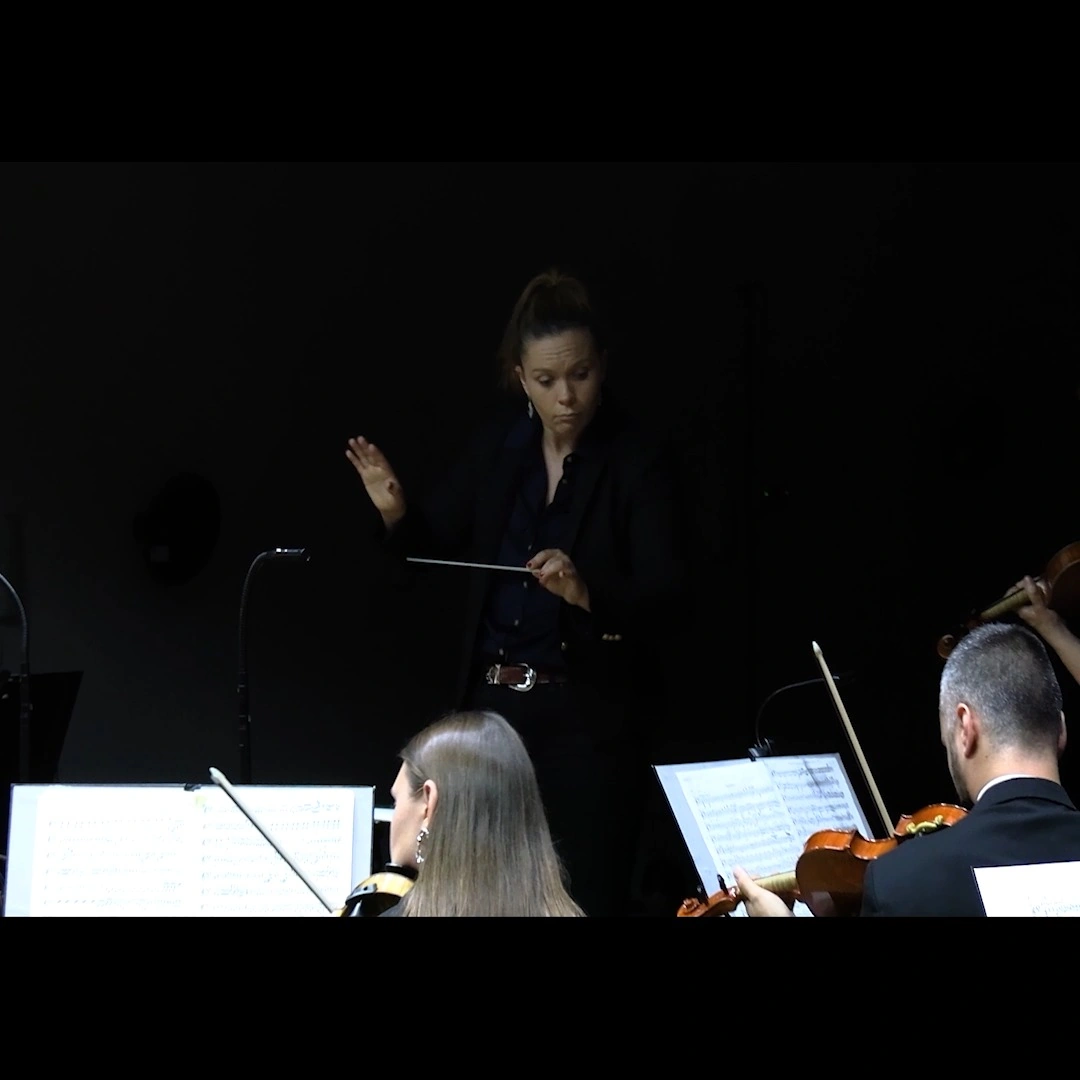
That balance is where her other job shows. Trained at the conservatoires of Brest, Paris and Brussels, she has conducted orchestras in Europe and beyond. She brings a conductor’s sense of structure and orchestral colour to a small ensemble piece. That helps a seven-instrument arrangement keep the clarinet and piano at centre stage.
Her calendar keeps that side of her work busy. It lists the first Antonia Brico international conducting competition in October 2026, followed by a series of Jorma Panula Foundation Academy sessions running through March 2027. She also directs Azkaban Records, the label behind Mars.
The single continues a steady run. It follows The Pond from 2025 and jazz singles such as Saharan Storm from 2023, which came after her 2022 album Reflections.
The release itself is built for more than streaming. Mars is out on digital platforms and also on CD and vinyl. Early coverage arrived in French, Dutch and English within days, from VL Média and Couturekrant to BroadwayWorld.
This is a piece for listeners who like jazz that moves, and for anyone curious about what a clarinet can do when it is handed the lead. It also rewards anyone who enjoys following an ensemble part by part.
From the AcousticMusic.News Curator Team: “Mars hands the clarinet the job a singer usually has, and it never runs out of things to say. It is a conductor’s piece in miniature: seven instruments, one clear line.”
Hear Mars by Maëla Raoult and Follow Her Across Every Platform
Stream Mars on Spotify, Apple Music, SoundCloud or YouTube Music. Then follow Maëla Raoult through her Spotify profile, the Apple Music artist page, Deezer and her SoundCloud profile. For videos, head to her YouTube channel, and visit the official site for concert dates. Finally, keep up with her on Instagram, Facebook and LinkedIn.












About The Author