
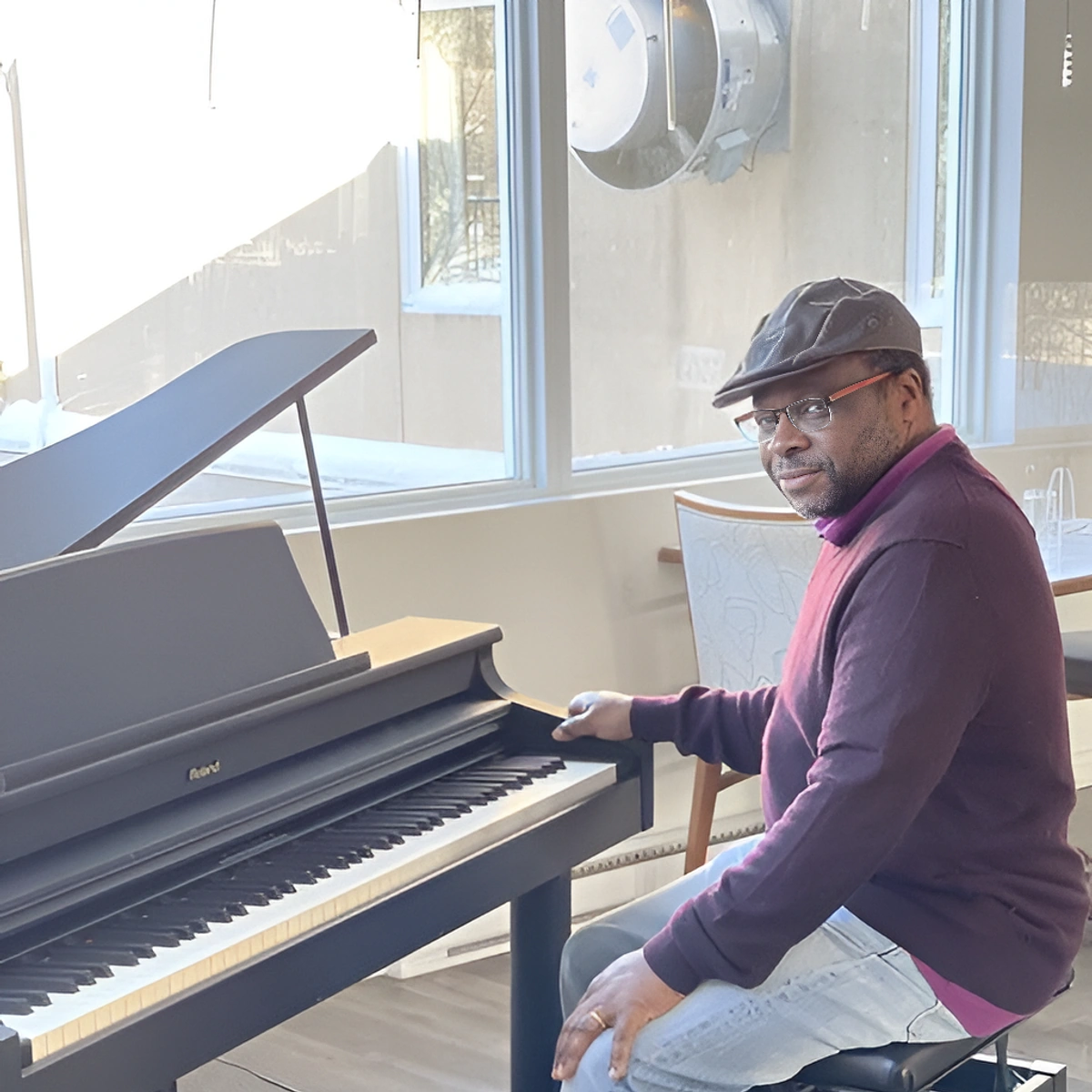
Elik Tara Group's Honoré Vraiment: What the Microphone Hears From Two Studios and Eight Voices
The Montreal Project Recorded Its Title Track in Two Rooms with a Shared Lead Vocal
Two rooms went into the title track of Honoré Vraiment. Elik Tara Group credits Studio x14, where Big Biil engineered, and Studio Steevy, where Martin Segy took the controls. Three members of the project also share the digital audio workstation credit. The album came out on 1 June 2026, with this song second in its running order.
Elik Tara Group’s Honoré Vraiment is in the playlist below, and the group’s coverage is collected on the Elik Tara Group profile. The title track reached AcousticMusic.News through PopHits.Co Music Charts, which verifies independent artists and places their releases across its network of music news sites. Give it a listen, then read on for how it was recorded.

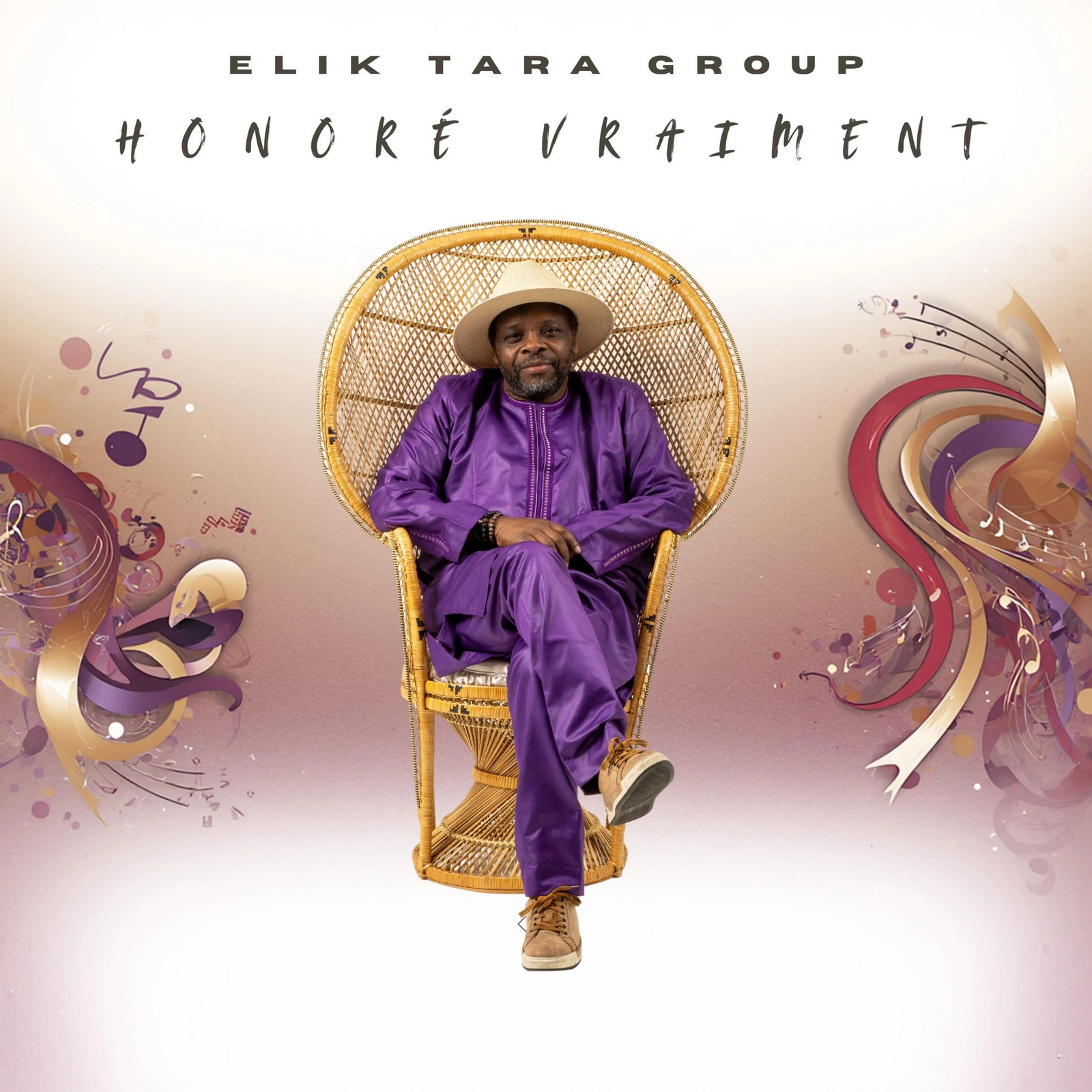
Eight Credited Voices Make the Hook of Honoré Vraiment a Group Performance for Elik Tara Group
The first thing a microphone has to deal with on this record is how many people are singing. Five singers share the lead vocal on Honoré Vraiment: Amadou Sidibé, Mélerine Noubia, Carlos Miguel Esposito, Sow Ousmane Diallo and Mylène Osila. The backing vocals add Yves Malory, Justin Katanga and Sonia Richard to three of those names, which brings the track to eight credited voices.
That is a production decision before it is anything else. A single lead gives an engineer one voice to place at the centre of a mix. Five leads, however, make the hook a group performance, so the song belongs to the ensemble rather than to a front person. For a project led by a singer-songwriter and producer, it is a striking choice to hand this song to a room of voices.
The writing, by contrast, comes from one person. Aloys Claude Noah Ayi wrote both the words and the music, and Claude Noah served as executive producer. The group sings in French among other languages, and the title itself, honoured truly, reads as a statement of respect.

Guitars, Keys and a Drum Machine Around the Voices
Likewise, the band around the singers works the same way, with people moving between roles. The credits list five guitarists: Amadou Sidibé, Claude Noah, Justin Katanga, Carl KH and Yves Landry-Bedard. Keyboards and a drum machine come from the same circle as the backing vocals.
Several names cross the whole credit list. For example, Amadou Sidibé sings lead and backing vocals, plays guitar and works on the digital audio workstation. Carlos Miguel Esposito sings lead and backing vocals and shares that editing credit too. Justin Katanga sings backing vocals and plays guitar. On a session like this, the people who sing the song are also the people who finish it. It makes for a warm, festive Afro-pop record.

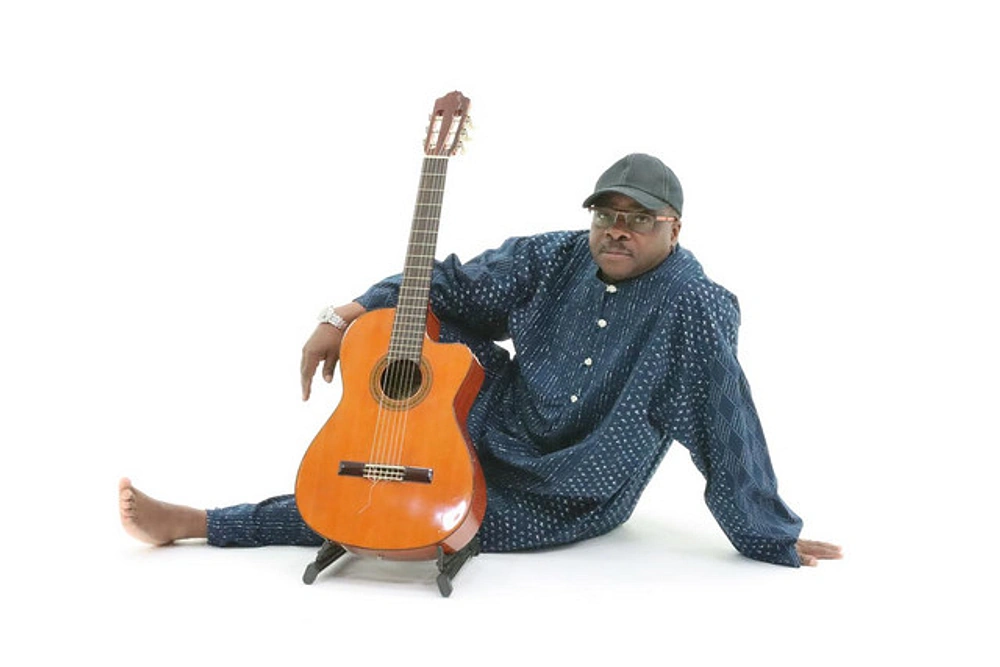
Honoré Vraiment Runs Just Over Four Minutes as Track Two of Elik Tara Group’s Fourteen-Song Album
At 4:04, the song follows Aïe doudou, the opener of a 14-song album that runs 53 minutes. Meanwhile, Elik Tara Group releases its music through its own label, Eliktaragroup Inc, and lists Afrobeat, zouk, kompa, rumba and smooth jazz among the styles it combines. The project calls the blend Afro-jazz, and its discography already runs to twelve albums and EPs.
In other words, placing the title track second is a structural choice too. The opener sets out the Afro-Caribbean frame, and the second track then puts the group’s voices in front of it.
From the AcousticMusic.News curator team: “Honoré Vraiment sits fourth in our Contemporary Jazz, Nu-Jazz, Smooth Jazz playlist, straight after Snarky Puppy’s Lingus and GoGo Penguin. It brings an Afro-Caribbean group vocal into a run of instrumental ensembles. It is also the track we would play to show how many people one song can hold.”
Salif Keita and Mory Kanté, Two Voices Behind Elik Tara Group’s Honoré Vraiment
Finally, the group names its own inspirations, and one of them points to a useful comparison.
Salif Keita is the name the project cites for melodic poetry. Ibrahima Sylla executive-produced his 1987 debut album, Soro. Earlier, Keita sang with the Rail Band, and when he left in 1973 the lead microphone passed to a younger member.
Mory Kanté was that member. The Guinean singer and kora player adapted Yé ké yé ké from a traditional Mandinka song, and a remixed version became a European number one in 1988. It was the first African single to sell more than a million copies. In that sense, a drum machine and keyboards under a lead vocal shared by many voices, which describes this record, owes something to that crossing between dance-floor production and song.
Start with Honoré Vraiment, then play the album from Aïe doudou onwards to hear where it sits.
Follow Elik Tara Group on Spotify, Apple Music, YouTube, Instagram and Facebook, and stream the album Honoré Vraiment on Apple Music.












About The Author