The Minute in the Recording: Lea Anderson Keeps Dreams to One Verse
A 65-Second Acoustic Soul Single with a Clock Sample, Produced and Recorded by Jack Perry
A clock sample keeps time under Dreams by Lea Anderson. She sings over light percussion at a slow pace, and her soprano leads throughout. The Los Angeles singer wrote the words and melody herself. Producer Jack Perry then recorded the acoustic soul single, released on 1 July 2025. It ends after one verse and 65 seconds, which is the length she chose for it.
Lea Anderson’s Dreams sits in the playlist below, among the contemporary and smooth jazz this desk keeps in rotation. The single came to AcousticMusic.News through PopHits.Co Music Charts, which verifies independent artists and places their releases across its network of music news desks. Press play on the clock sample, then keep reading to learn how the recording came together.


A Clock Sample, Light Percussion and a Soprano Carry Dreams by Lea Anderson
The arrangement on Dreams uses few parts and places each one clearly. Mesmerized covered the single in September 2025. Its writer heard a slow tempo, light percussion and a clock sample. That sample adds a sense of urgency, yet the song keeps a lullaby quality. In practice, the percussion and the clock mark time. The melody, which Anderson wrote herself, sits on top with nothing competing for the same space.
Anderson is a soprano, and on this recording her voice is the lead instrument. Earmilk, reviewing Dreams the same month, described the single as R&B soul and heard her lean into that soprano. The review also pointed to her range, from stripped-down acoustic performance to piano-led arrangements and a full four-piece band. Dreams sits at the quiet end of that range. It also falls where acoustic, alternative pop and chillout listeners overlap. So the song suits anyone who can give one minute of close attention.

Lea Anderson Wrote Dreams, Jack Perry Recorded It and D-Moet Mixed It
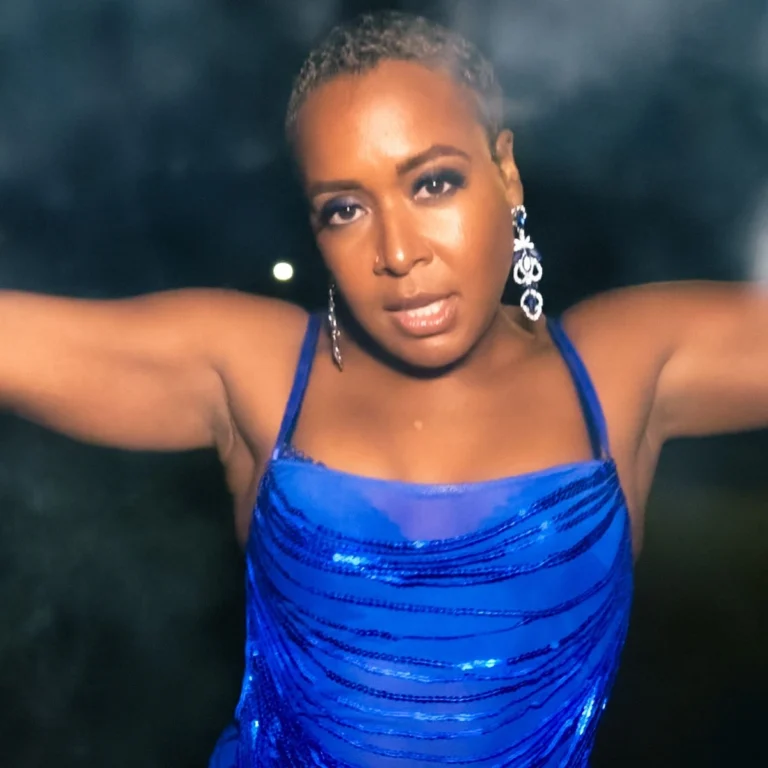
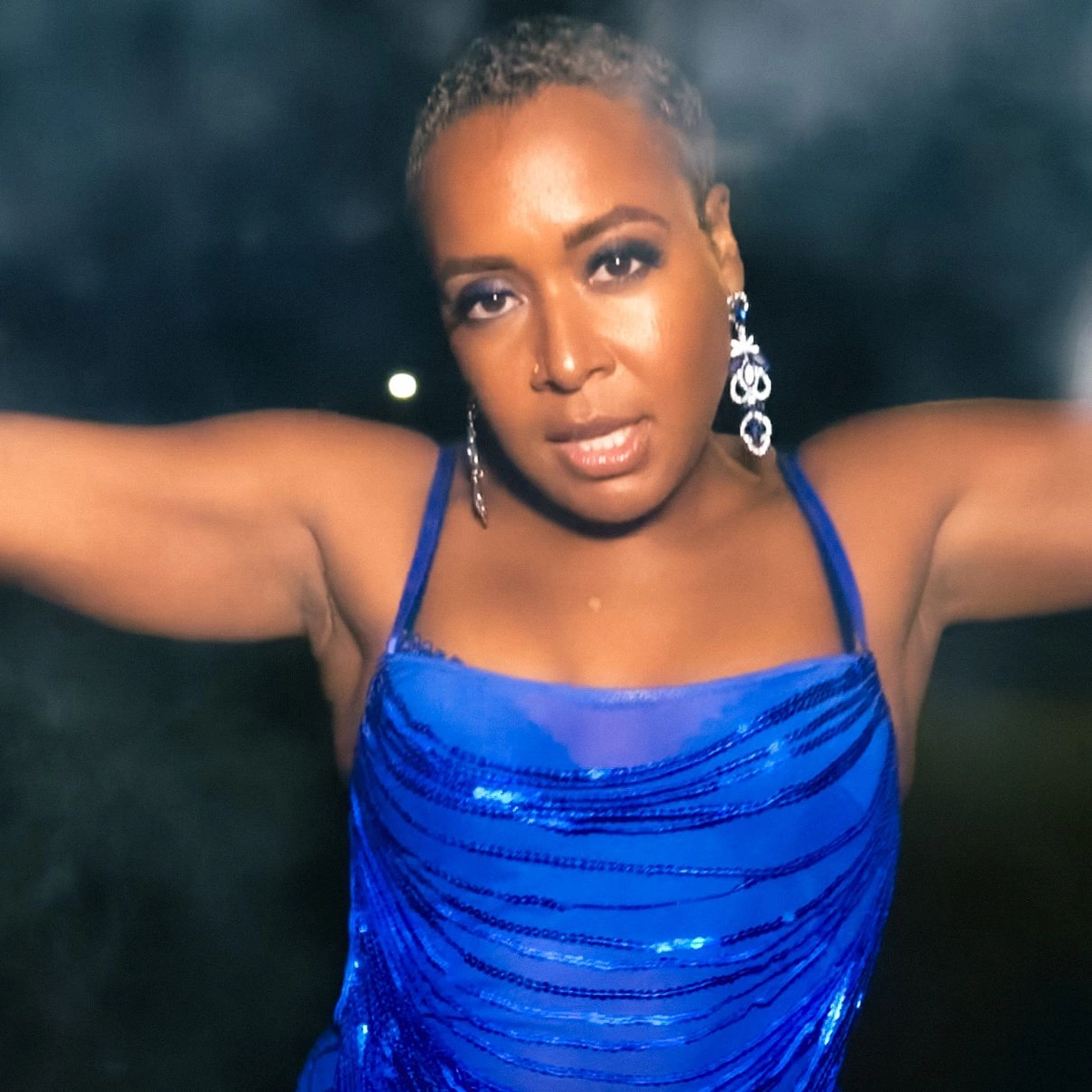
The credits published with the official video are short and specific. Anderson wrote the words, melody and lyrics. Jack Perry, a Californian producer, produced and recorded the track, and D-Moet mixed and mastered it. BLOOMY shot the video, and Anderson edited it herself. She also did her own make-up, hair and styling.
Anderson, who also plays flute, keeps that hands-on approach across her catalogue. In a 2024 interview with Mesmerized, she said she often builds a release around one instrument. That way, listeners can hear the colour of her voice. She also avoids pitch-correction tools such as Melodyne and Auto-Tune. The same interview showed how differently her songs came together. For example, she cut Wait 4 U and Save the Rain with a live band, while More Than I Could features a live cellist. She recorded her piano-led version of Heaven Knows in Vancouver, British Columbia. At the time, she had just six hours in port while performing on Disney’s Wonder cruise ship.
Those recordings belong to a catalogue that reaches back to her 2019 debut album, Pronounced Lee Deluxe. Know Me, a song from that album, got a video in 2022. Sistra and the Brazilian site INDIEOCLOCK both covered it at the time.

The Single Verse of Dreams Ends Three of Its Lines on the Title Word
The lyric published with the video runs to one verse. It opens on certainty: “I knew from the start”. Then it turns to longing, as the singer wants to “hold you in my dreams”. However, she can only feel the other person while asleep. Midway, the verse asks whether they “see me in your dreams”. The answer is a belief that “you chose me for me”. Finally, it closes on what remains: a feeling that comes only when she can “see you in my dreams”.
Three of those lines end on the word “dreams”: the third, the sixth and the last. That repetition does the work a chorus normally does, because the title returns at regular points. As a result, the song can stop after one pass and still leave its hook behind. The clock sample serves the same idea, keeping steady time under a lyric about waiting to meet someone again.
Why Lea Anderson Stops Dreams After One Verse
The length was a decision rather than an accident. Anderson told Mesmerized that she wrote Dreams after a period of deep healing late in 2023. That healing centred on an event she had found hard to forgive herself for. She tried to extend the song, but one verse was all she had to give. So she kept that length, even when people advised her to make it longer.
Short songs already have a respected place in R&B. On his 2016 album Blonde, Frank Ocean included Good Guy, which runs 67 seconds. That is only two seconds longer than Dreams. Listeners who know that record already know how much a minute can hold.
Listeners of Mariah Carey and Donna Summer Will Recognise the Lineage
Anderson has also named her own starting points. In the 2024 Mesmerized interview, she recalled watching Mariah Carey sing Can’t Let Go on television as a child. After that, she wanted to make people feel the way Carey made her feel. That 1991 single from Emotions is an R&B and pop slow jam. Carey sings most of it in a breathy low register, with whistle notes at the start and finish. Its unhurried pace gives the voice most of the work, and Dreams works the same way.
Donna Summer is the other name she gives. Anderson studied Summer’s technique and the airy shape of her notes, and that study led her to Heaven Knows. Summer’s original with Brooklyn Dreams reached number 4 on the Billboard Hot 100 in March 1979. Anyone who returns to slow Carey ballads or to that Summer song will recognise the approach. Like them, Dreams trusts one voice over a light arrangement.
From the AcousticMusic.News curator team: “Play Dreams twice in a row. The first time, the clock sample sounds like part of the rhythm. The second time, knowing the song stops at 65 seconds, it sounds like a countdown to the last line.”
Listen to Dreams and Follow Lea Anderson
Watch the official video for Dreams above. Then follow Lea Anderson on Spotify, Apple Music, Deezer, her YouTube channel, Bandsintown, Facebook and X. You can also visit her official website.




About The Author