Echoes of Silence Keeps the Room in Dan Becker's Grand and Felted Piano Takes
Six Short Neo-Classical Pieces, Each Recorded Twice, Written to Leave Space Around Every Note
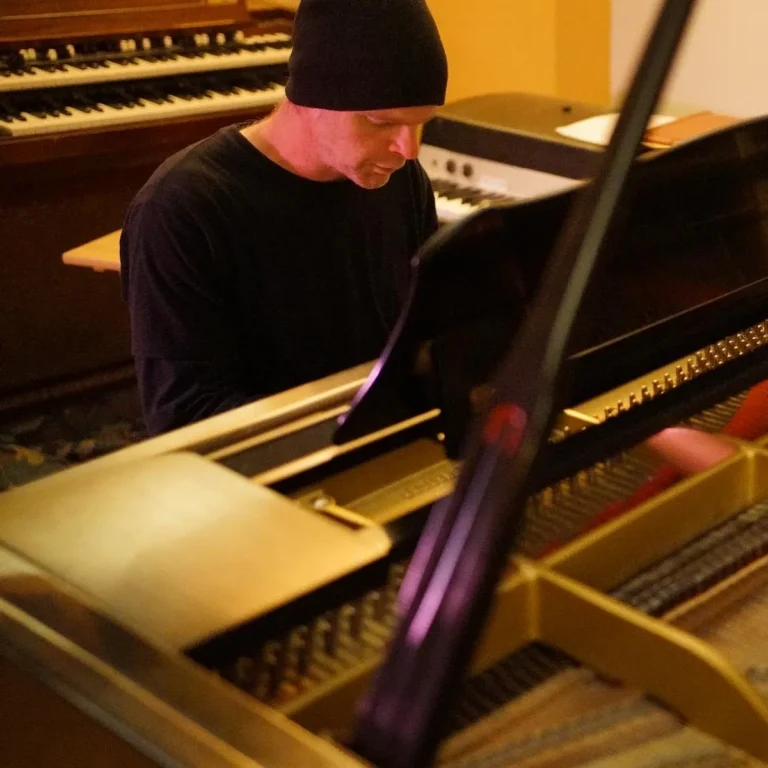
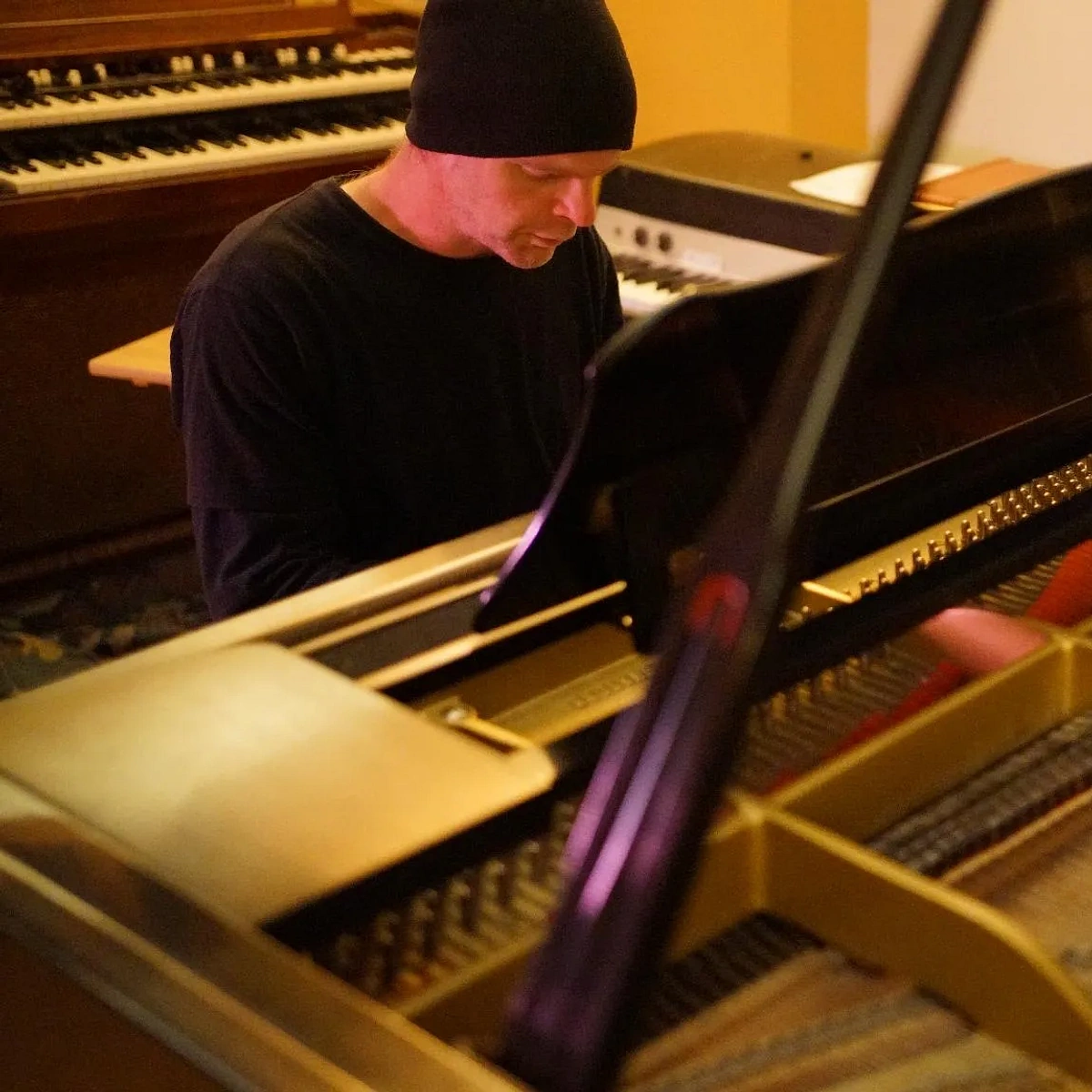
Dan Becker recorded every piece on Echoes of Silence live, once on a grand piano and once on a felted upright. He left the room in the recording, so the record sounds as if you are sitting beside the instrument. A largely self-taught pianist and composer from Western Massachusetts, Becker released this neo-classical set of six short pieces on 2 January 2026. It is for anyone who needs music that gives them permission to pause.
Dan Becker’s opening piece, Quiet, sits in the playlist below alongside the desk’s other modern classical picks, with every feature collected on Dan Becker’s artist profile. Echoes of Silence reached AcousticMusic.News through PopHits.Co Music Charts, which verifies independent artists and places their releases across its network of music news titles. Press play, then read on for the story of how Becker made it.


The Opening Figure of Echoes of Silence and the Melodies That Stand in for Words
The hook on Echoes of Silence is a small one, and that is deliberate. Quiet, the opening piece, lasts under two minutes. It turns on arpeggios, light syncopation and repeating patterns, as Matt Jensen noted in a review for Pitch Perfect. Jensen also heard some of Max Richter‘s more meditative writing in it. Becker does not dress the figure up. Instead, he lets it circle and lets a chord hang in the air. He trusts the listener to follow small changes rather than wait for a big entrance.
That restraint is the core of the writing. Because there are no vocals, the melody has to carry what a lyric would carry elsewhere. Becker therefore treats space and silence as part of the line, not as gaps around it. A phrase arrives, pauses, and then comes back slightly changed. On a live take, a held note decaying into the room works like a full stop. In other words, the fade matters as much as the notes themselves.

Six Titles in Place of a Lyric Sheet
The titles are the only words on the record: Quiet, Solace, Penance, Mercy, Inside Out and Lullaby. Read in order, they move from stillness, through a reckoning, toward rest. That arc fits the three themes Becker set out to explore, namely sorrow, solitude and healing. Solace has a stately voicing that Jensen linked to Richter’s music for The Leftovers. Penance, by contrast, holds more tension and rises slowly. Meanwhile, Mercy turns inward and Inside Out is the most dynamic of the six. Finally, Lullaby closes the cycle on its most hopeful note.
The tools are modest, too. A chord lasts a beat longer, or a figure hesitates before it resolves. A build arrives so gradually that it is easy to miss until it has landed. For a listener new to solo piano, that is the useful thing to know. Nothing here asks for technical knowledge, only a little attention.

The Six-Piece Cycle of Echoes of Silence, Recorded Twice on Grand and Felted Piano
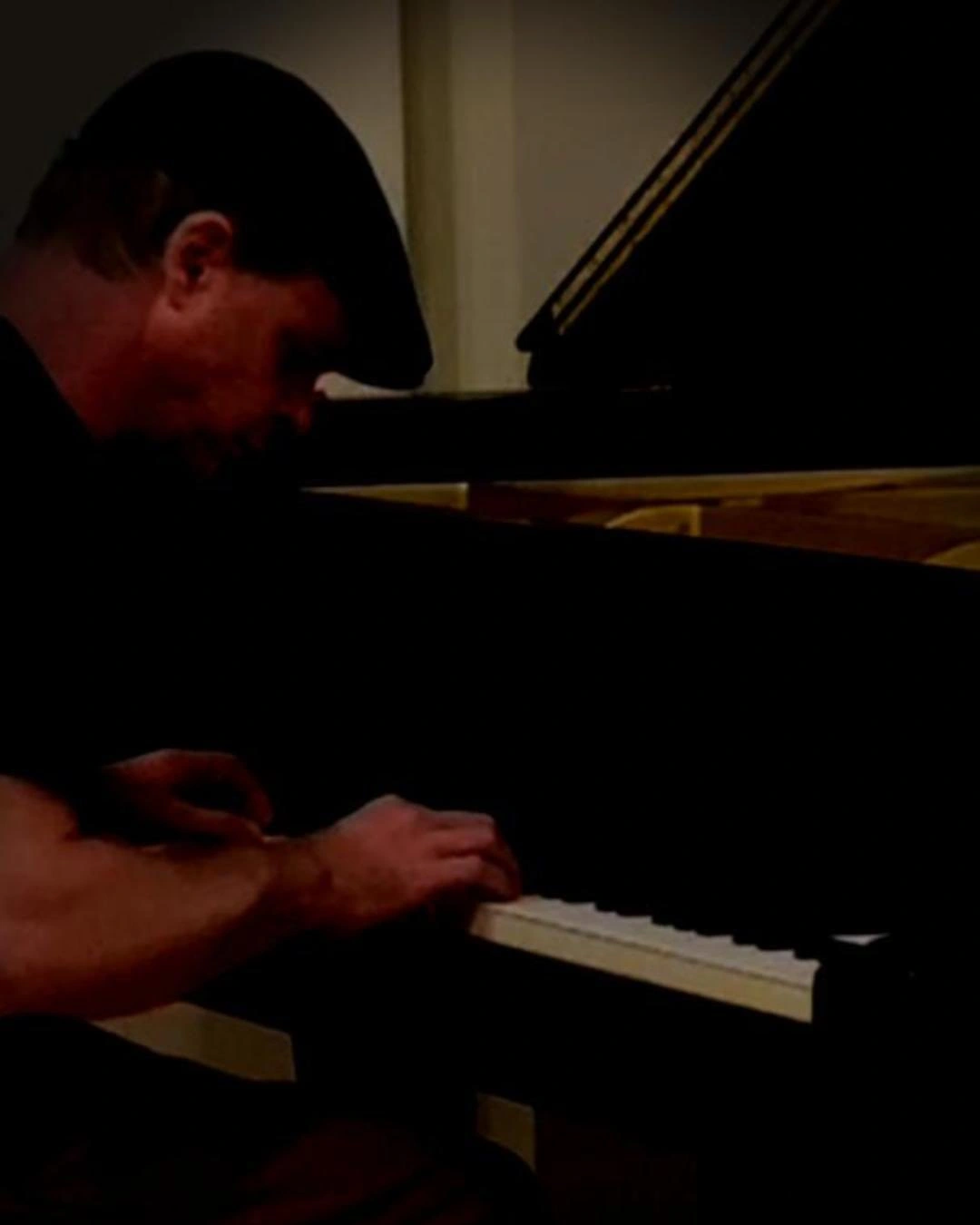
The whole cycle runs to about thirteen and a half minutes. None of the six pieces passes the three-minute mark, and that brevity shapes the structure. Each piece has room for one main idea, so the set plays like a single movement in six parts. Jensen called it an interconnected cycle. Loop Solitaire heard the same slow opening-up, from reflective early pieces toward warmth and quiet hope. Sinusoidal Music also covered the record ahead of its release.
The double recording is where the craft is easiest to hear. Becker recorded the six compositions twice. For the grand takes, he worked on a Yamaha grand at Northfire Recording Studio with engineer Angelo Quaglia. For the felted takes, he moved to a felted upright at 1357 Recording Studio with engineer Monte Arnstam. Quaglia then mastered the project at Northfire. Both versions are out as companion sets, Echoes of Silence and Echoes of Silence (Felted). According to Jensen, the grand takes carry no overdubs or digital polish. You can hear the room as clearly as the piano.
What the Felt Changes in the Same Six Melodies
A felted piano has a strip of felt between the hammers and the strings. It softens the attack of every note and darkens the tone. It also lets the small mechanical sounds of the instrument become part of the music. So the melody that rings out on the grand arrives on the upright as something closer and more private. BuzzSlayers reviewed the felted edition on its own and heard a softer, warmer tone. Hearing both versions side by side shows how much of each piece lives in the writing, not the instrument.
That felted sound also has a well-known lineage. Nils Frahm helped popularise it with Felt in 2011. Its muted strings kept late-night sessions quiet enough for the neighbours. Listeners who reached solo piano through that record will recognise the closeness of these felted takes. Similarly, Jeremy Bregman at Savoy Truffle Tunes placed the record alongside Richter, Frahm and Ólafur Arnalds. Those are the three names most neo-classical listeners will reach for first.
Where to Hear Echoes of Silence and Follow Dan Becker Before Obsidian Arrives in December
Dan Becker made Echoes of Silence for two kinds of listener at once. Some already love solo piano, while others do not yet know that they do. The record suits both because it is not dense. There are no showy runs and no long stretches of development. Instead, you get six clearly drawn pieces and the air around them. It works as late-evening listening or as music for reading and writing. Better still, it makes a gentle first step onto the neo-classical shelf for anyone who usually prefers songs with words.
The record also points ahead. Becker’s next project, Obsidian, is due in December. It follows the same two-piano plan, with six tracks on grand piano and six on felted piano. Where Echoes of Silence is about stillness, Obsidian turns toward intensity and transformation. The quiet set is therefore a natural place to start before the louder one arrives.
From the AcousticMusic.News curator team: “Play the grand piano set first and the felted set straight after. The second pass sounds like the first one heard through a closed door. It turns the title of the record into something you can actually hear.”
All twelve takes sit in a YouTube playlist, and the official site carries the full discography. Follow Dan Becker across platforms: Spotify, Apple Music, Bandcamp, Deezer, YouTube channel, Instagram, Facebook, TikTok and X.









About The Author