

Loucas Bretz Moves Here Comes the Sun From the Abbey Road Era Into Acoustic Rock
With Mat Hood, the Luxembourgish-Greek Producer Sets Harrison’s 1969 Song in 80s and 90s Rock
The Beatles recorded George Harrison‘s Here Comes the Sun at EMI’s Abbey Road studios in the summer of 1969. Harrison had written it that spring on an acoustic guitar in Eric Clapton’s garden. In August 2023, Loucas Bretz released his own version with fellow artist Mat Hood. The Luxembourgish-Greek producer sets the melody in a blend of 80s rock, 90s rock and acoustic rock.
Loucas Bretz’s take on the song, made with Mat Hood, sits in the playlist below. The full run of his coverage is on his artist profile. Here Comes the Sun came to this desk through PopHits.Co Music Charts, which verifies independent artists and places their releases across its network of music news desks. Press play, then read on.

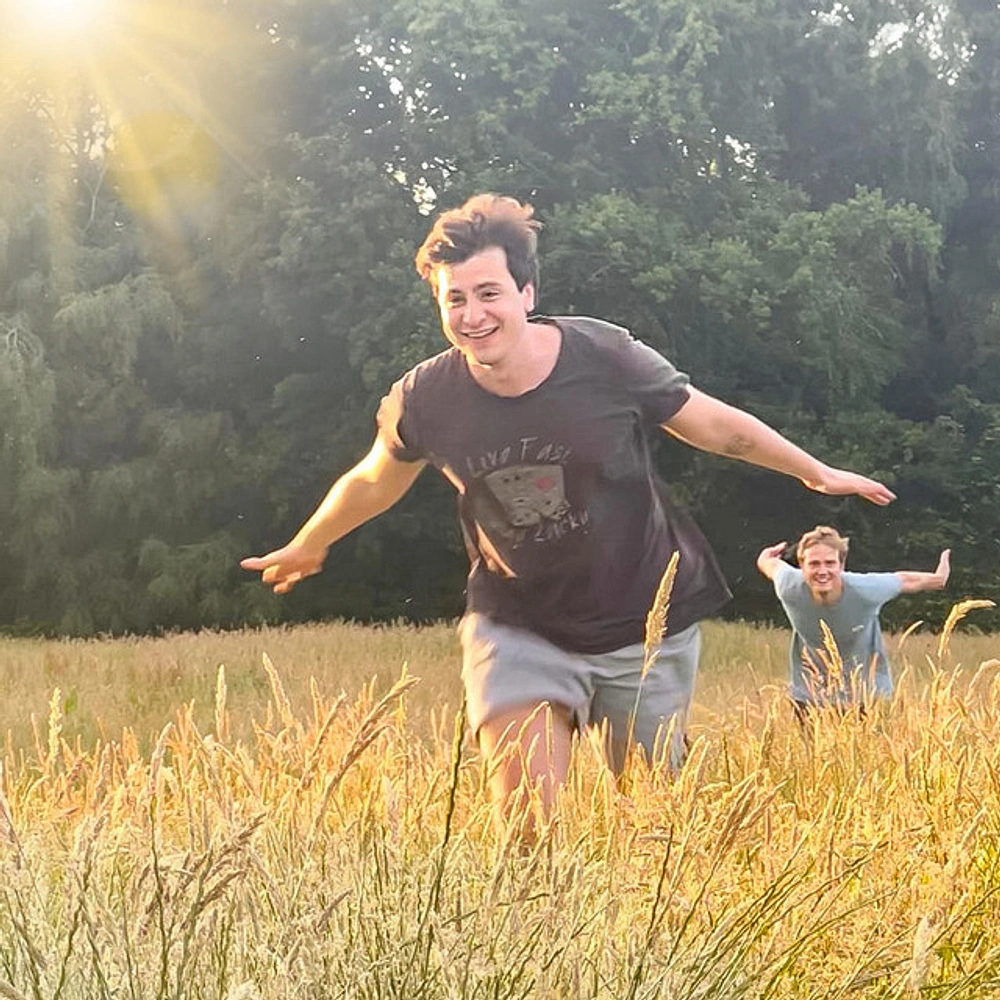
Loucas Bretz Comes to Harrison’s Guitar Figure as Both a Trained Player and a Studio Producer
The hook of Harrison’s song arrives before a word is sung. A bright guitar figure opens the record and returns between the verses. So any cover has to decide early how that figure will sound and how much room it gets. Bretz comes to that decision from both sides of the studio glass.
His training began with classical piano and music theory at the Conservatoire de Luxembourg. Guitar, bass and drums followed. Later came a BA (Hons) in Creative Music Production at the Institute of Contemporary Music Performance. He also earned an advanced diploma in music production and sound engineering from the Abbey Road Institute in London.
There is an architect’s habit in the way he describes the work, too. Bretz was studying architecture in Brussels when he realised that sound interested him more than spaces. Today he divides his time between Luxembourg and Athens. In both cities he produces, co-writes, mixes and masters for independent artists across indie, alternative, pop and rock. This release carries the credit of his own production banner, LB Productions.

Why Loucas Bretz Follows a Winter Instrumental With Harrison’s Song About Winter Ending
Harrison wrote the lyric on a day he skipped a round of business meetings at Apple. It reads as plain relief. A long, cold season gives way, the ice begins to melt and faces turn back towards the light. There is almost no conflict in the words, which makes them harder to deliver than they look. Whoever sings them has to sound glad without pressing the point. Meanwhile, the arrangement has to warm up by degrees rather than all at once.
The choice of song also fits Bretz’s own catalogue. His instrumental single Hotel Melody came out at the end of January 2023. It was a lounge-leaning rock piece of guitar, bass and drums, with synths, piano and strings on top. In his words to KIMU, the piece came from the season itself: “written during the cold winter months to reflect the moodiness”. Just over six months later, he put out Harrison’s song about the winter ending. Together, the two releases make a neat pair: a winter piece, then a song about the thaw.
That earlier single also found readers among independent music writers. Mesmerized heard an instrumental led by electric guitar, drawing on jazz, rock and lounge music. Music Arena GH and Sinusoidal Music wrote about the track as well. Their attention to his guitar playing is worth keeping in mind here. After all, Here Comes the Sun is a song whose identity begins with a guitar part.

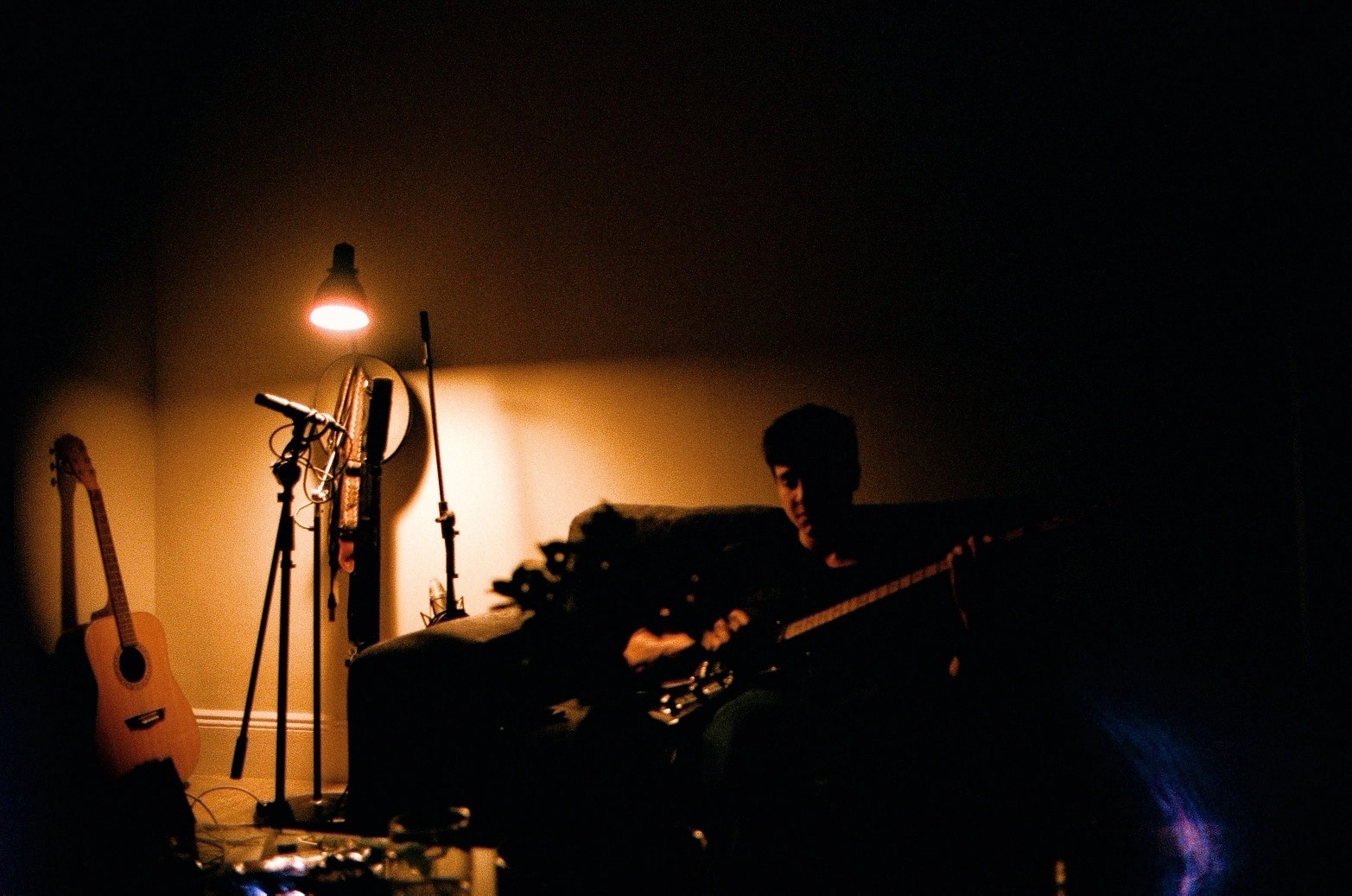
Two Minutes and Thirty-Seven Seconds of 80s and 90s Rock Built Around a 1969 Melody
Hotel Melody was an instrumental under his own name. By contrast, Here Comes the Sun is a shared credit with Mat Hood. The pairing puts two artists around one of the most familiar melodies in rock. That is a different test from writing an instrumental of your own. A new piece arrives without expectations, but every listener already knows how Harrison’s next bar should go.
On Abbey Road the song runs a little over three minutes. It moves from the opening guitar figure through verses and refrains to a bridge. There, the metre keeps shifting under a repeated one-word refrain before the main theme returns. Bretz’s version runs 2:37, close to half a minute shorter than the album original. It frames Harrison’s sections with the melodic instincts of 80s and 90s rock and the drive of acoustic rock.
A Lineage From the Traveling Wilburys to 90s Britpop
That blend places the record in a lineage many listeners will recognise. Tom Petty played alongside Harrison in the Traveling Wilburys. On Full Moon Fever in 1989, Petty leaned on bright, strummed acoustic guitars inside a full band sound. Six years later, Oasis turned an acoustic strum into a defining 90s rock single with Wonderwall. The band also wore their Beatles influence openly. Anyone who keeps those records close is the natural audience for an acoustic rock reading of Harrison’s song.
That respect for the source also fits the way Bretz describes his production work. On his website, he says his role is to uncover and refine what a song already has. He does not set out to impose a signature sound. With a song this widely known, that approach points to a clear priority. Keep the melody and the guitar figure recognisable, and put the craft into the parts around them.
AcousticMusic.News’s curator team: “A Harrison cover depends on whether that opening guitar figure still sounds like the weather changing. Bretz treats the song the way a producer would. He frames a 1969 melody with 80s and 90s rock instincts and keeps the acoustic guitar at the centre. That balance earns it a place in our listening this autumn.”
Where to Hear Loucas Bretz and Mat Hood on Here Comes the Sun and Follow His Work
This one suits listeners in the UK, the US and Canada who grew up on melodic 80s and 90s rock. It also suits anyone who still reaches for the acoustic records of that era. Beatles devotees will find plenty to compare, too, in how a working producer reads one of Harrison’s best-known songs.
Listen to Here Comes the Sun on Spotify. Then follow Loucas Bretz on Spotify, Apple Music, Deezer, YouTube channel, Instagram, TikTok and Facebook. His production work and studio services are on his official website.













About The Author